
"Winnie"
219 article(s) found

Ethiopian coffee
Ethiopia is the hometown of Arabica coffee, and it is in the forests of Kaffa that you can see wild Arabica coffee. In Ethiopian, coffee is called "Bun" or "Buna". Coffee beans (coffee bean) may be translated from "Kaffa Bun". Arabica coffee was discovered early in the Harald area.

Brief introduction of Ethiopian Coffee
Ethiopia is the hometown of Arabica coffee, and it is in the forests of Kaffa that you can see wild Arabica coffee. In Ethiopian, coffee is called "Bun" or "Buna". Coffee beans (coffee bean) may be translated from "Kaffa Bun".

Introduction of coffee manor flavor and taste varieties in Ethiopia
Introduction of coffee manor flavor and taste varieties in Ethiopia Harald coffee (HarrarCoffee) comes from the eastern highlands of Ethiopia and is medium-sized in bean shape.

The grade flavor of Ethiopian coffee
Essel coffee is processed by two processing methods: sun and water washing. The flavor of coffee processed by different processing methods is very different. Generally speaking, the alcohol thickness and soil taste of washed Sidamo, Yirgacheffe and Limmu coffee are slightly lower, and the taste of sun-processed coffee is more wild. But Ethiopian coffee may taste different from batch to batch, which requires more cup tests before it can be found.

Kenya adzuki bean PB | Metana Manor Coffee beans (Mchana)
Professional coffee knowledge exchange more coffee bean information please follow Coffee Workshop (Wechat official account cafe_style) Front Street Coffee recommended Rosa 2018 Kenya AA Asali Kenya occupies a very important place in the coffee world, Kenya's research and quality management of coffee is highly meticulous, thousands of small coffee farmers receive technical and planting education from the Kenya Coffee Bureau, so that they can

Introduction to the flavor and taste characteristics of Ethiopian coffee manor with rich alcohol thickness
The highest grades of Ethiopian washed coffee Yega Chuefei G1 G2 Sidamo (Yirgacheffe, Sidamo) are Grade 2 and Grade 3 (G2, G3), while most of the sun-processed coffee in eastern Ethiopia are Grade 4 or Grade 5 (G4, G5). In many cases, level 4 coffee is marked as level 5 in order to reduce taxes. At present, the grading is not uniform and messy, because there is also sun processing.

Characteristics of grinding degree of Ethiopian coffee with soft acidity introduction to flavor description of varieties
Grade of Ethiopian coffee: Ethiopian washed coffee Yega Chuefei G1 G2 Sidamo (Yirgacheffe, Sidamo) has the highest grades 2 and 3 (G2, G3), while sun-processed coffee in eastern Ethiopia is mostly grade 4 or 5 (G4, G5). In many cases, level 4 coffee is marked as level 5 in order to reduce taxes. At present, the classification is not uniform and there are

Washed Fine Coffee Lim Coffee from Ethiopia
Coffee is Ethiopia's most important export cash crop and the main source of Ethiopia's foreign exchange earnings. Ethiopia's coffee exports account for about 3% of the world market, making it the eighth largest coffee exporter in the world. Coffee exports increased steadily from 58000 tons in 1990 to 110000 tons in 1995-1996 and remained at this level in the following years. 2001-2002
How to use the coffee pot correctly
White-collar workers are busy and stressed, and it is hard to avoid drowsiness and lethargy at work. Drinking a cup of fragrant coffee is a good choice. Coffee can cheer you up, but it doesn't seem easy to taste pure coffee, only if it tastes close.

Introduction of individual Coffee with characteristic Flavor and Taste in Ethiopian Coffee Manor
In the field of boutique coffee, there are also five other small places of coffee, namely Lim, Gemma, Le Campdi, Becca and Limmu, Djimmah, Lekempti, Bebeka and Wolega. The most common is Essesidamo or Harald coffee (Either Sidamo or Harrar coffee). Harald Coffee (HarrarCoffee) is made in Essex.
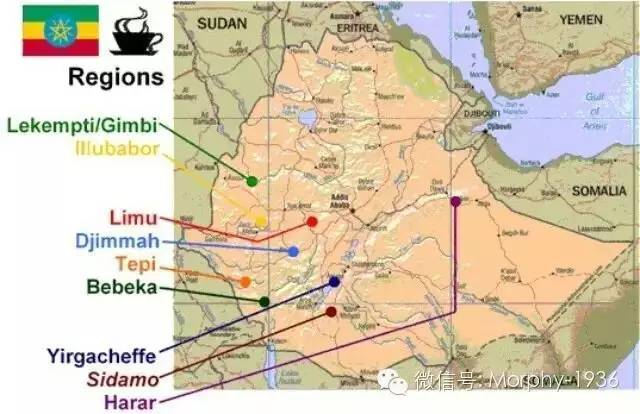
Introduction of boutique coffee beans Ethiopian coffee
Ethiopia is the hometown of Arabica coffee, and it is in the forests of Kaffa that you can see wild Arabica coffee. In Ethiopian, coffee is called Bun or Buna, and coffee beans (coffeebean) may be translated from Kaffa Bun. Arabica coffee was discovered early in the Harald area, probably from Kafa.

Flavor characteristics of Ethiopian Fine Coffee Ethiopian Coffee
Ethiopia is the hometown of Arabica coffee, and it is in the forests of Kaffa that you can see wild Arabica coffee. In Ethiopian, coffee is called Bun or Buna, and coffee beans (coffeebean) may be translated from Kaffa Bun. Arabica coffee was discovered early in the Harald area, probably from Kafa.

Lim region of Ethiopia | what is the flavor of native species washed by limu Kossa Xhosa?
Professional coffee knowledge exchange more coffee bean information please follow the coffee workshop (Wechat official account cafe_style) Ethiopia Lim production area | limu Kossa Xhosa washing local native species flavor? Finding coffee on a farm is very rare in Ethiopia, but Gidey Berhe Retta is in Limu Kossa

What are the functions of Arabica coffee
Following caf é (Wechat official account vdailycom) found that Beautiful Caf é opened a small shop of its own Ethiopia is the hometown of Arabica coffee, it is in the forests of the Kaffa region that you can see wild Arabica coffee. In Ethiopian, coffee is called Bun or Buna, and coffee beans (coffeebean) may be turned from Kaffa Bun

Ethiopian Arabica coffee with rich body Original growing environment Fine coffee
The highest grades of washed Ethiopian coffee Yirgacheffe G1 G2 Sidamo are Grade 2 and Grade 3 (G2, G3), and the coffee processed in the sun in eastern Ethiopia is mostly Grade 4 or Grade 5 (G4, G5). In many cases, fourth-grade coffee is labeled as five-grade in order to reduce taxes. Now the classification is not very uniform, some chaos, because there are sun processing
Introduction to Ethiopian Coffee, the hometown of Arabica Coffee
Ethiopia is the hometown of Arabica coffee, and it is in the forests of Kaffa that you can see wild Arabica coffee. In Ethiopian, coffee is called Bun or Buna, and coffee beans (coffeebean) may be translated from Kaffa Bun. Arabica coffee was discovered early in the Harald area, probably from Kafa.

Ethiopian Coffee Plantation Features Fine Coffee Bean Flavor Description
In December 1994, the Constitution of the Federal Democratic Republic of Ethiopia was enacted. The constitution stipulates that Ethiopia will adopt a federal system and a parliamentary cabinet system after the election, with a term of office of five years. National elections were held in May 1995. On August 22, the Federal Democratic Republic of Ethiopia was established. Meles became Prime Minister as Chairman of the Majority Party in the House of People's Representatives. On May 14, 2000, Ethiopia held a national meeting.

Ethiopian coffee introduction Ethiopian coffee beans exquisite coffee beans and introduction
Ethiopia is the hometown of Arabica coffee, and it is in the forests of Kaffa that you can see wild Arabica coffee. In Ethiopian, coffee is called Bun or Buna, and coffee beans (coffee bean) may be translated from Kaffa Bun. Arabica coffee was discovered early in the Harald area.

Introduction to the characteristics of Ethiopian Coffee Flavor Manor with soft acidity and rich alcohol thickness
Although the Ethiopian Yirgacheffe coffee is petite, it is gentle and delicate and sweet. As the hometown of coffee, thousands of years of planting history and processing tradition in Ethiopia have created high-quality washed Arabica beans. Light baking has unique sweet aromas of lemon, flowers and honey, soft acidity and citrus flavors, fresh and bright on the palate. No.