
"Winnie"
219 article(s) found

Introduction of Cedamo Coffee Flavor description Taste treatment method Grinding Calibration Variety producing area
Cedamo Coffee Flavor description method Grinding Calibration the taste of the variety is introduced in the field of boutique coffee, as well as coffee from five other small places, namely Lim, Gemma, Lakamputi, Becca and Limmu, Djimmah, Lekempti, Bebeka and Wolega). The most common coffee is Essidamo or Harald (Either Sidamo or).
Flavor description of Ethiopian Candle Coffee Bean introduction to the regional treatment of varieties
Flavor description of Ethiopian Candle Coffee beans in the field of boutique coffee, there are also five other small places, namely Lim, Gemma, Lakamputi, Bebeca and Limmu, Djimmah, Lekempti, Bebeka and Wolega. The most common coffee is Essidamo or Harald (Either Sidamo or Harr).
Ethiopian coffee grade washed coffee Yega Xuefei
The highest grades of Ethiopian washed coffee Yega Chuefei G1 G2 Sidamo (Yirgacheffe, Sidamo) are Grade 2 and Grade 3 (G2, G3), while most of the sun-processed coffee in eastern Ethiopia are Grade 4 or Grade 5 (G4, G5). In many cases, level 4 coffee is marked as level 5 in order to reduce taxes. At present, the grading is not uniform and messy, because there is also sun processing.

Teach you how to know the ice drop coffee maker and how to use it.
Ice drop coffee, also known as water drop coffee, ice brewed coffee, is a way to make coffee drinks. Ice drop coffee uses ice water, cold water or ice cubes to extract coffee, which is very slow and often takes hours, so ice drop coffee is more expensive.

Ethiopia-Coffee Origin, producing areas, characteristics, introduction
Grade of Ethiopian coffee: Ethiopian washed coffee Yega Chuefei G1 G2 Sidamo (Yirgacheffe, Sidamo) has the highest grades 2 and 3 (G2, G3), while sun-processed coffee in eastern Ethiopia is mostly grade 4 or 5 (G4, G5). In many cases, level 4 coffee is marked as level 5 in order to reduce taxes. At present, the classification is not uniform and there are
Ethiopian Coffee Culture the Development of Ethiopian Coffee
Ethiopian Coffee has a long History Ethiopian Coffee has a very important history and culture the highest grades of Ethiopian coffee Yega Xuefei G1 G2 Sidamo (Yirgacheffe, Sidamo) are grade 2 and 3 (G2, G3), while sun-processed coffee in eastern Ethiopia is mostly grade 4 or 5 (G4, G5). In many cases, level four coffee is marked as level five.

Introduction to the grade of coffee beans in Ethiopia
Grade of Ethiopian coffee: Ethiopian washed coffee Yega Chuefei G1 G2 Sidamo (Yirgacheffe, Sidamo) has the highest grades 2 and 3 (G2, G3), while sun-processed coffee in eastern Ethiopia is mostly grade 4 or 5 (G4, G5). In many cases, level 4 coffee is marked as level 5 in order to reduce taxes. At present, the classification is not uniform and there are

Shanghai illy Coffee School website Yili Coffee / illy Coffee University Coffee tasting course sharing
Professional coffee knowledge exchange more coffee bean information please follow the coffee workshop (Wechat official account cafe_style) Sommelier del caffe tasting barista, the wine tasters' word-Sommelier, is now beginning to be used by tasting baristas. At present, only illy Coffee University holds this kind of coffee tasting course every year, and the speaker of the course is illy Coffee Company.

Eight major producing areas of Ethiopia introduce how to drink Ethiopian Lim Limu coffee?
Professional coffee knowledge exchange more coffee bean information please follow the coffee workshop (Wechat official account cafe_style) Ethiopian coffee is mainly produced in eight major areas: Lekempti, Limu, Illubabor, Djimmah, Harar, Teppi/Bebeka, Sidamo, Yirgacheffe. Ethiopian coffee is highly rated in China, especially for Ethiopian coffee.

Sidamo Santa Tavigni processing Station in Ethiopia introduces the flavor characteristics of Sidamo coffee.
Professional Coffee knowledge Exchange more information on coffee beans Please follow the Coffee Workshop (official Wechat account cafe_style) near the small village of Shantawene, deep in the Sidamo region of Ethiopia, past a school, many cabins, and a ping-pong table on a triangular lawn; children chant you along the dusty road! You! you. Found Shantawne here.

The grade of Ethiopian coffee in Ethiopian coffee producing areas
The grade of Ethiopian coffee: Ethiopian water washed coffee Yega Xuefei, the highest grade of Yirgacheffe and Sidamo may be level 2 or 3 (G2 or G3), and most sun-processed coffee in eastern Ethiopia is grade 4 or 5 (G4, G5). In many cases, level 4 coffee is marked as level 5 in order to reduce taxes. The current classification is not very uniform.

A brief introduction to the flavor and taste characteristics of Ethiopian coffee manor with rich alcohol thickness
In the West, Ethiopian coffee is generally sold on the market as Yega Feixidamo and Harald (Yirgacheffee, Sidamo and Harrar). The highest grades of Ethiopian washed coffee Yega Chuefei G1 G2 Sidamo (Yirgacheffe, Sidamo) are Grade 2 and Grade 3 (G2, G3), while most of the sun-processed coffee in eastern Ethiopia are Grade 4 or Grade 5 (G4, G5).
Introduction to Ethiopian Coffee Grade
Grade of Ethiopian coffee: Ethiopian washed coffee Yega Chuefei G1 G2 Sidamo (Yirgacheffe, Sidamo) has the highest grades 2 and 3 (G2, G3), while sun-processed coffee in eastern Ethiopia is mostly grade 4 or 5 (G4, G5). In many cases, level 4 coffee is marked as level 5 in order to reduce taxes. At present, the classification is not uniform and there are

Ethiopian coffee raw beans introduce cup size in coffee shop
The highest grades of Ethiopian washed coffee Yega Chuefei G1 G2 Sidamo (Yirgacheffe, Sidamo) are Grade 2 and Grade 3 (G2, G3), while most of the sun-processed coffee in eastern Ethiopia are Grade 4 or Grade 5 (G4, G5). In many cases, level 4 coffee is marked as level 5 in order to reduce taxes. At present, the grading is not uniform and messy, because there is also sun processing.
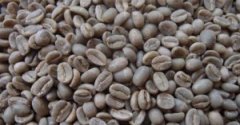
Ethiopian coffee beans, coffee beans
Ethiopia is home to Arabica coffee, and it is in the forests of the Kaffa region that you can see Arabica coffee growing wild. In Ethiopian, coffee is called Bun or Buna, and coffee beans may be translated from Kaffa Bun. Arabica coffee was discovered early in the Harar region, most likely from Karachi.

Xike combined automatic coffee machine IDEA CAPPUCCINO water tank largest bean warehouse largest coffee machine
Suitable for large halls, large offices and hotel lobbies. It is called the most efficient automatic coffee machine reference price: 60000 yuan full automatic milking machine high efficiency coffee machine, daily supply thousand cup speed 150cup / h configuration automatic water intake system color silver / blue producing area Italian power supply voltage 220V brand SAECO weight 63 (kg) outline dimension 5

Ethiopia-the birthplace of the famous Arabica coffee beans
Ethiopia is the birthplace of the famous Arabica coffee beans, and people have always maintained the tradition of harvesting wild coffee beans. The coffee garden at an altitude of more than 1500 meters has formed a unique coffee style after thousands of years of evolution and adaptation. Ethiopian coffee grown in the natural wild environment is called wilderness coffee, which retains the most primitive and natural taste of coffee beans.

Introduction to Flavor Variety Treatment of Kenya Metana Coffee Estate
Professional coffee knowledge exchange More coffee bean information Please pay attention to coffee workshop (Weixin Official Accounts cafe_style) Kenya occupies a very important place in the coffee world. Kenya's research and quality management of coffee are highly meticulous. Thousands of small coffee farmers receive technical and planting education from Kenya Coffee Bureau, enabling them to continuously improve the quality and produce the highest Kenyan coffee. coffee beans
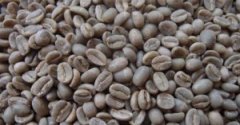
Brief introduction of Coffee from Ethiopia
Lim G2 Ethiopia is the hometown of Arabica coffee, and you can see wild Arabica coffee in the forests of the Kaffa region. In Ethiopian, coffee is called Bun or Buna, and coffee beans (coffee bean) may be translated from Kaffa Bun. Arabica coffee has long been found in the Harald area, which is very accessible.

Ethiopian coffee plantation with unique quality and moderate pH
Harar Coffee is produced in the eastern highlands of Ethiopia. It is medium bean-shaped and large