
"caracolillo"
444 article(s) found

Taste of Puerto Rican Coffee Larez Yaoke Coffee is introduced in the manor area.
In Spanish, Puerto Rico means the port of wealth. The history of coffee in Puerto Rico dates back to 1736, when coffee seedlings were brought into the country by early Spanish settlers. In the 18th world, sugar cane was the main economic crop, so little attention was paid to it. At the beginning of the 19th century, the French began to move from the Mediterranean island of Corsica because of European politics.

Description of Coffee Flavor in San Pedro Manor, Puerto Rico; introduction to the taste of varieties in producing areas
In Spanish, Puerto Rico means the port of wealth. The history of coffee in Puerto Rico dates back to 1736, when coffee seedlings were brought into the country by early Spanish settlers. In the 18th world, sugar cane was the main economic crop, so little attention was paid to it. At the beginning of the 19th century, the French began to move from the Mediterranean island of Corsica because of European politics.

Introduction to the characteristics of the manor producing area of Puerto Rico coffee beans with rich and unique aroma
In Spanish, Puerto Rico means the port of wealth. The history of coffee in Puerto Rico dates back to 1736, when coffee seedlings were brought into the country by early Spanish settlers. In the 18th world, sugar cane was the main economic crop, so little attention was paid to it. At the beginning of the 19th century, the French began to move from the Mediterranean island of Corsica because of European politics.

Unique flavor of Puerto Rico coffee manor flavor and taste characteristics of boutique coffee beans
In Spanish, Puerto Rico means the port of wealth. The history of coffee in Puerto Rico dates back to 1736, when coffee seedlings were brought into the country by early Spanish settlers. In the 18th world, sugar cane was the main economic crop, so little attention was paid to it. At the beginning of the 19th century, the French began to move from the Mediterranean island of Corsica because of European politics.

Introduction to the Flavor and Taste characteristics of Puerto Rico Coffee Manor
Medium roasted-coffee beans show an elegant brown color. This method of baking is also called city roast. Medium roasting can not only preserve the original flavor of coffee beans, but also moderately release aroma, so the blue mountains of Jamaica, Colombia, Brazil and other individual coffee, more choose this roasting method. At 20 minutes, the oil begins to surface, and the beans are burned to a bright dark brown, called full-city.

Puerto Rico Coffee Estate Flavor Taste Features San Pedro Estate
Puerto Rico is a general term for the inhabitants of Puerto Rico in Central America and the Caribbean. About 3.4 million people (1979). Spanish and English are spoken. More Catholic. The earliest inhabitants of Puerto Rico were Arawak and Caribbean Indians. In 2012, whites of European origin accounted for approximately 73 per cent of the total population, mestizo for 23 per cent and blacks for 4 per cent. And over 20,000 Americans and others

Brief introduction of Coffee Grinding treatment in San Pedro Manor, Puerto Rico with strong Flavor
In the 1860s, the coffee produced in the Yaoke area of Puerto Rico won the reputation of high-end coffee and spread all over Europe. At that time, emperors and queens of various countries regarded it as the best coffee, and the kings and queens of many countries and European popes even recognized only Yaoke coffee when they chose coffee. And designated for the Vatican to drink the royal coffee. Island Coffee-Puerto Rico

Introduction to the characteristics of coffee flavor and taste of pure and fragrant San Pedro Manor, Puerto Rico
In 1917, the United States Congress passed the Jones Act, imposing United States citizenship on the people of Puerto Rico. In 1937, the Puerto Rican people were the leader of the Kuomintang of Puerto Rico P. Arvi Sukampos launched an independent uprising in Ponsai, but was suppressed again. In 1947 the United States Congress allowed the Governor to be elected. On November 1, 1950, Puerto Rican national heroes Oscar Corazo and GE

Description of Coffee Flavor in San Pedro Manor, Puerto Rico baking process by treatment of characteristics of varieties
Puerto Rico, located in the eastern part of the Greater Antilles in the Caribbean Sea, includes Puerto Rico and small islands such as Vieques and Culefra. It is an island with very beautiful scenery. It is bordered by the Atlantic Ocean to the north, the Caribbean Sea to the south, the United States and the British Virgin Islands to the east, and the Mona Strait to the west, bordering the Dominican Republic. Puerto Rico covers an area of 13790 square kilometers

Brief introduction of Puerto Rico Coffee Flavor description method
In 1898, the Spanish-American War broke out and Spain was defeated. According to the Treaty of Paris, Puerto Rico was ceded to the United States. The administrative jurisdiction of the United States over Puerto Rico first took the form of a military junta. During its two years of governance of the island, the junta established schools, roads, railways, hospitals and health facilities. In 1900, the United States Congress established civilian control over the island. The Governor, the Cabinet and

An introduction to the taste of the pure, aromatic and grainy coffee producing area of Larez Yaoke Coffee Manor in Puerto Rico.
Christopher Columbus sailed here in November 1493 and named it San Juan in honor of John the Baptist the Baptist. In 1508 the Spaniard J. Ponce de Leon established a colonial stronghold on the island and was appointed governor the following year. It was colonized by Spain in 1509. As a result, the original native Indians on the island became slaves and were driven to agriculture.

Puerto Rico boutique coffee bean flavor taste manor variety brand introduction
On 6 November 2012, Puerto Rico held its fourth referendum. The referendum consists of two rounds of voting. In the first round, Puerto Ricans voted on whether they wanted to change the status quo in their relations with the United States. 1.8 million people were eligible to vote, 65000 gave up the first round of voting, and 54 per cent of those who took part in the vote supported a change of relationship. Later, Puerto Ricans were like
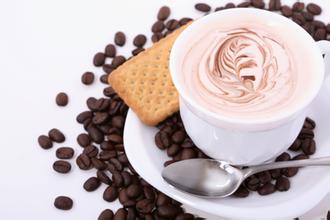
Introduction to the planting environment of the characteristic varieties of Puerto Rico coffee in the producing area
Puerto Ricans are the general name of the residents of United States Puerto Rico in Central America and the Caribbean. There are about 3.4 million people (1979). Spanish and English are widely used. More Catholic. The earliest inhabitants of Puerto Rico were Arawak and Caribbean Indians. In 2012, whites of European origin accounted for about 73% of the population, mixed-race people accounted for 23%, and blacks accounted for 4%. There are more than 20,000 Americans and others.
Unique taste of Puerto Rican coffee taste manor boutique coffee beans introduction
In 1898, the Spanish-American War broke out and Spain was defeated. According to the Treaty of Paris, Puerto Rico was ceded to the United States. The administrative jurisdiction of the United States over Puerto Rico first took the form of a military junta. During its two years of governance of the island, the junta established schools, roads, railways, hospitals and health facilities. In 1900, the United States Congress established civilian control over the island. The Governor, the Cabinet and

Aromatic Puerto Rico coffee flavor Growing environment Fine coffee beans Introduction
With the advancement of modernization, the Americanization of Puerto Rico culture has become increasingly evident. However, the wise people on the island believed that Puerto Rico culture should not be assimilated into mainstream American culture, otherwise Puerto Rico's national identity would be lost. That claim was closely linked to the controversy over the political status of Puerto Rico and had become a political concern for every Puerto Rico. language problems

Introduction of high-quality coffee beans with flavor and taste in Puerto Rico coffee producing areas
Puerto Rico covers an area of 13790 square kilometers, with mountains and hills accounting for 3x4 of the island. The central mountain range stretches from east to west, stretching from Puerto Rico to Puerto Rico, from high to low, with the coast as a plain. The highest peak, Mount Pengta, is 1338 meters above sea level. Belongs to the tropical rain forest climate, [8] the rainfall is sufficient, the average temperature in January is 24 ℃, the average temperature in July is 27 ℃. Vulnerable to hurricanes

Pure and aromatic Puerto Rican Coffee Flavor description characteristics of Grinding degree introduction to the taste of varieties in producing areas
In 1898, the Spanish-American War broke out and Spain was defeated. According to the Treaty of Paris, Puerto Rico was ceded to the United States. The administrative jurisdiction of the United States over Puerto Rico first took the form of a military junta. During its two years of governance of the island, the junta established schools, roads, railways, hospitals and health facilities. In 1900, the United States Congress established civilian control over the island. The Governor, the Cabinet and
Introduction of Puerto Rican coffee with strong flavor and taste of fine coffee beans in the manor
Puerto Ricans are the general name of the residents of United States Puerto Rico in Central America and the Caribbean. There are about 3.4 million people (1979). Spanish and English are widely used. More Catholic. The earliest inhabitants of Puerto Rico were Arawak and Caribbean Indians. In 2012, whites of European origin accounted for about 73% of the population, mixed-race people accounted for 23%, and blacks accounted for 4%. There are more than 20,000 Americans and others.

Flavor description of Puerto Rican Coffee with Pure and aromatic Flavor introduction of varieties with taste characteristics
In 1898, the Spanish-American War broke out and Spain was defeated. According to the Treaty of Paris, Puerto Rico was ceded to the United States. The administrative jurisdiction of the United States over Puerto Rico first took the form of a military junta. During its two years of governance of the island, the junta established schools, roads, railways, hospitals and health facilities. In 1900, the United States Congress established civilian control over the island. The Governor, the Cabinet and

Introduction to the flavor and taste of San Pedro Manor Coffee Manor, Puerto Rico
On October 30, 1950, the people of Puerto Rico rebelled again and declared the establishment of the Republic of Puerto Rico, which failed on the 31st and more than 100 people were arrested. In 1952, the United States granted Puerto Rico the status of a free federation and exercised autonomy, but important departments such as foreign affairs, defense and tariffs were still controlled by the United States. [2] since 1972, the United Nations Special Committee on Decolonization has repeatedly reaffirmed Puerto Rico