
"carbohydrates"
1210 article(s) found

High-quality Coffee Science recognizes caffeine in coffee
Caffeine may be the first thing that comes to mind when it comes to coffee, but what is caffeine? it is estimated that it is difficult for you to give an accurate answer. I have been engaged in coffee work for a few years. I would like to share with you: caffeine is a mild stimulant. there is less caffeine in our daily drinks such as tea, cocoa and chocolate. Carbohydrate drinks such as cola and some
Baking technology
When high-quality coffee beans are picked, the most important step in making them gourmet coffee is roasting and mixing. A master baker must have the temperament of an artist and the rigor of a scientist. Only in this way can we ensure that the sugars and other carbohydrates in the coffee are carbonized during the baking process, thus producing the well-known coffee oil and producing high quality and consistent style.

Where does the sour, bitter, sweet and sweet in coffee come from? Why is coffee sour and bitter?
Professional coffee knowledge exchange more coffee bean information Please follow the coffee workshop (Wechat official account cafe_style) Coffee sour source the difference between pleasant sour and unpleasant sour why do some coffees have plum sour taste? Some even smell like fruit vinegar. Why do some beans look so shiny? Is it because it has been kept for a long time? Why are there some
Coffee knowledge Chemical composition of Coffee General knowledge of Coffee
How many substances does a cup of coffee contain? Coffee extracted by traditional methods such as hand-brewing and Syphone contains more than 200 substances, while 1500 qualities can be extracted in an instant when using a Ruyi coffee machine and mocha pot. Unexpectedly, there are so many things in a cup of flavored water, the charm of coffee is made up of these substances. Coffee beans.

Indonesia organic low-ingredient gold lion mantenin coffee grade treatment method for low-ingredient mantenin coffee
Professional coffee knowledge exchange more coffee bean information please follow the coffee workshop (Wechat official account cafe_style) Indonesia Golden Lion Manning Organic low-caffeine this batch of Lin Dongman low-caffeine beans is the use of CO2 treatment of low-caffeine beans, about CO2 treatment, we specially invite a doctor who specializes in chemistry to help compile and collate, the data are as follows: CO2 low-caffeine treatment description: coffee
Boutique coffee learns how to distinguish between new beans and old beans
The main components of raw beans are: carbohydrates, about 49%; moisture, about 12%; protein. About 11%; chlorogenic acid, about 7.6% alkaloids and trace elements, about 0.4%. According to the length of time, raw beans can be specifically divided into: seasonal beans (Current Crop), that is, fresh beans; new beans (New Crop), that is, raw beans of the first year; and old beans (Past Crop), that is,

Common sense of Fine Coffee beans Chemical composition of coffee
How many substances does a cup of coffee contain? Coffee extracted by traditional methods such as hand-brewing and Syphone contains more than 200 substances, while 1500 qualities can be extracted in an instant when using a Ruyi coffee machine and mocha pot. Unexpectedly, there are so many things in a cup of flavored water, the charm of coffee is made up of these substances. Coffee beans.

Coffee knowledge introduces the distinction between raw beans, new beans and old beans
After dry and wet processing, coffee fruit becomes coffee raw bean (Raw bean/Green bean). The main components of raw beans are: carbohydrates, about 49%; moisture, about 12%; protein. About 11%; chlorogenic acid, about 7.6% alkaloids and trace elements, about 0.4%. According to the length of time, raw beans can be divided into: seasonal beans (Current Cro)

Fine Coffee Learn Coffee Green beans are classified into different types according to time
Coffee fruits are processed by wet and dry methods to become coffee beans (Raw beans/Green beans). The main components of raw beans are: carbohydrates, about 49%, moisture, about 12% and protein. About 11%; chlorogenic acid, about 7.6% Alkaloids and trace elements, about 0.4%. According to the length of time, raw beans can be specifically divided into: Current Cro
"Coffee roaster companion" the chemical substances of raw beans the structure and changes of coffee beans
Chapter 2: chemical substances of raw beans author: Scott Rao translator: Huaxia coffee raw beans are strong and green seeds, 50% of which are different forms of carbohydrates, and the other 50% are composed of water, proteins, lipids, acids, and various biological bases. Coffee roasters can bake good coffee without knowing the many chemicals in raw beans, but

The main components of raw beans are new beans and old beans.
After dry and wet processing, coffee fruit becomes coffee raw bean (Raw bean/Green bean). The main components of raw beans are: carbohydrates, about 49%; moisture, about 12%; protein. About 11%; chlorogenic acid, about 7.6% alkaloids and trace elements, about 0.4%. According to the length of time, raw beans can be divided into: seasonal beans (Current Cro)
Coffee raw beans: the difference between new beans and old beans
Coffee raw beans: the coffee fruits of new beans and old beans are processed by dry and wet methods, and then become coffee raw beans (Raw bean/Green bean). The main components of raw beans are: carbohydrates, about 49%; moisture, about 12%; protein. About 11%; chlorogenic acid, about 7.6% alkaloids and trace elements, about 0.4%. According to the length of time, raw beans can be specific.
Boutique coffee beans common sense how to distinguish between new beans and old beans
After dry and wet processing, coffee fruit becomes coffee raw bean (Raw bean/Green bean). The main components of raw beans are: carbohydrates, about 49%; moisture, about 12%; protein. About 11%; chlorogenic acid, about 7.6% alkaloids and trace elements, about 0.4%. According to the length of time, raw beans can be divided into: seasonal beans (Current Cro)

Quick understanding of the harm of coffee partners-instant coffee is harmful, and what's worse, coffee partners!
Professional coffee knowledge exchange more coffee bean information Please follow the coffee workshop (Wechat official account cafe_style) have you ever wondered what is in instant coffee that is convenient and easy to brew quickly? Where did instant coffee come from? Instant coffee was invented much earlier than you might think. In 1890, New Zealander David Strang invented the earliest instant coffee and registered it.
Roasting technology of coffee beans
When high-quality coffee beans are picked, the most important step in making them gourmet coffee is roasting and mixing. A master baker must have the temperament of an artist and the rigor of a scientist. Only in this way can we ensure that the sugars and other carbohydrates in the coffee are carbonized during the baking process, thus producing the well-known coffee oil and producing high quality and consistent style.
Fine coffee learn the difference between new beans and old beans of raw coffee
After dry and wet processing, coffee fruit becomes coffee raw bean (Raw bean/Green bean). The main components of raw beans are: carbohydrates, about 49%; moisture, about 12%; protein. About 11%; chlorogenic acid, about 7.6% alkaloids and trace elements, about 0.4%. According to the length of time, raw beans can be divided into: seasonal beans (Current Cro)
Coffee training knowledge: coffee raw beans: the difference between new beans and old beans
Coffee raw beans: the difference between new beans and old beans. After dry and wet processing, coffee fruit becomes coffee raw bean (Raw bean/Green bean). The main components of raw beans are: carbohydrates, about 49%; moisture, about 12%; protein. About 11%; chlorogenic acid, about 7.6% alkaloids and trace elements, about 0.4%. According to the length of time, raw beans can have

The harm of instant coffee big white coffee is more terrible! Coffee fans beware! Instant coffee in English
Professional coffee knowledge exchange More coffee bean information Please pay attention to coffee workshop (Weixin Official Accounts cafe_style) Have you ever wondered what is in instant coffee that is convenient and easy to brew quickly? The office has a large package of Nestle (Nestle) three-in-one, advise everyone: stop drinking instant coffee, not because it is not enough, but because it is not at all
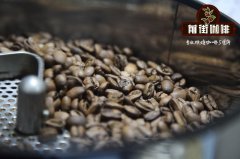
How does coffee aroma come from? What is the Mena reaction in coffee roasting?
Professional coffee knowledge exchange More coffee bean information Please pay attention to coffee workshop (Weixin Official Accounts cafe_style) Caramel and Mena reaction The aroma source of coffee is because coffee beans themselves store rich aroma precursors, such as carbohydrates, proteins, lipids, organic acids, etc. After being heated and roasted, a series of complex reactions will be initiated to create an attractive aroma.
Roasting Technology of Coffee beans
When high-quality coffee beans are picked, the most important step in making them gourmet coffee is roasting and mixing. A master baker must have the temperament of an artist and the rigor of a scientist. Only in this way can we ensure that the sugars and other carbohydrates in the coffee are carbonized during the baking process, thus producing the well-known coffee oil and producing high quality and consistent style.