New vs Old Coffee Beans: What Changes Over Time
When you buy green coffee beans, have you ever wondered why some taste bright and lively while others feel flat or overly smooth? The answer lies not just in origin or processing, but in how long the beans have been stored—and what stage of aging they’re in.
Coffee beans are categorized by freshness: Current Crop (just harvested), New Crop (first year), Past Crop (two years old), Old Crop (long-stored), and Aged Bean (stored using a special method). Each stage affects flavor, roastability, and brewing results in specific ways.
What’s Actually Inside Green Coffee Beans?
Once coffee cherries are processed—whether via washed, natural, or honey methods—they become green coffee beans. These beans consist of approximately 49% carbohydrates, 12% moisture, 11% protein, 7.6% chlorogenic acids, and 0.4% alkaloids and trace minerals. These components define not only the bean’s physical traits but also how it reacts during roasting and brewing.
How Coffee Beans Are Categorized by Age
Green coffee is classified by how long it’s been stored after harvest:
- Current Crop: beans picked and processed recently, usually within the past few months.
- New Crop: beans from the first year after harvest—commonly referred to simply as “new beans.”
- Past Crop: beans held for around two years.
- Old Crop: beans stored for too long, often resulting in faded flavors.
- Aged Bean: beans stored intentionally. Unlike Old Crop, Aged Beans are kept inside their parchment (inner skin) in high, cool warehouses at origin, regularly turned. This controlled aging leads to lower acidity, higher body, and a smoother, more mature cup. Aged Beans are often used in blends to balance brighter New Crop beans.
How Bean Age Affects Roast and Flavor
Roasters notice clear differences between New and Old Crop beans. New beans have higher moisture content, which makes heat transfer more challenging during roasting. Once roasted, they tend to express vibrant floral notes, distinct acidity, and a lively, sharp flavor profile. They are rich in chlorogenic acids, contributing to a brighter, more intense taste.
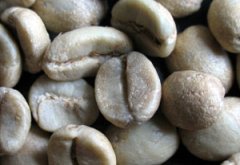
In contrast, older beans contain less moisture, have slightly expanded in volume, and develop a mellower, more stable character. They often taste richer and more subdued, with a heavier body and less acidity. Over time, moisture continues to decrease, bean color shifts from deep green-blue to pale or yellowish, and fresh fruit or grassy aromas fade—clear signs the beans are losing vibrancy.
For Aged Beans, the controlled storage process (in parchment, cool and high-altitude origin warehouses, with regular turning) results in a final cup that is less acidic, fuller-bodied, and smoother. After roasting, Aged Beans should rest for at least three days to allow their thickened mouthfeel and developed flavors to fully emerge.
Freshness Indicators in Green Coffee
You can assess bean freshness visually and olfactorily:
- Color changes from deep green or blue-green to pale or yellow over time.
- Fresh, vibrant fruit or herbal scents weaken as beans age.
- Overall vibrancy declines—the beans look and smell less “alive.”

These cues help roasters and buyers determine how long the beans have been stored and what to expect in the cup.
Frequently Asked Questions
What’s the difference between New Crop and Past Crop coffee beans?
New Crop beans are harvested and processed within the first year and typically have higher moisture, more acidity, and vibrant flavors. Past Crop beans are around two years old, often showing reduced brightness, lower acidity, and a mellower profile due to natural aging and moisture loss.
What are Aged Beans and how are they different from Old Crop?
Aged Beans are stored intentionally in their parchment in cool, high-altitude warehouses at origin, regularly turned to ensure even aging. This controlled process leads to lower acidity, more body, and a smoother cup. Old Crop beans, by contrast, are usually just beans that have been stored too long without care, often resulting in flat or faded flavors.
Does moisture content affect how coffee beans roast?
Yes. New Crop beans have higher moisture, which makes heat transfer during roasting more difficult and requires careful roast profiling. They often produce brighter, more acidic cups. Older beans, with less moisture, roast faster and tend to develop heavier, smoother flavors with less acidity.
How should Aged Beans be rested after roasting?
Aged Beans should rest for at least three days post-roast. This resting period allows their thicker mouthfeel and complex flavors to stabilize, ensuring a more balanced and expressive cup when brewed.
What happens to green coffee color as it gets older?
Over time, green coffee beans lose moisture and change color—from a deep green or blue-green to pale or yellowish. This color shift is a visible sign of decreasing freshness and vitality.
Recommended FrontStreet Beans for Freshness Study
Explore FrontStreet Coffee’s Yirgacheffe Grade 1 for bright, floral New Crop characteristics; their Brazil Santa Ines offers a balanced, sweet profile ideal for comparing with aged lots; and try the Ethiopia Guji Worka for a vibrant yet structured cup. These beans showcase the spectrum from fresh and lively to more developed profiles. Freshly roasted within 5 days · Orders placed before 17:00 ship the same day · Next-day delivery across most of Guangdong Province.
FrontStreet Coffee is a long-established specialty coffee roaster in Guangzhou China, selling freshly roasted beans from its own farm in Yunnan as well as dozens of carefully selected single-origin beans from around the world for both pour-over and espresso. The products deliver consistently excellent quality and great value, with shipping within 24 hours. Guangzhou's FrontStreet Coffee shop is recommended by many coffee lovers, and the beans are now available online at the Tmall 。
Important Notice :
前街咖啡 FrontStreet Coffee has moved to new addredd:
FrontStreet Coffee Address: 315,Donghua East Road,GuangZhou
Tel:020 38364473