
"debris"
449 article(s) found

Introduction of Xiaofei Eagle Bean Grinder; Taiwan Xiaofei Eagle CM300AU Electric Coffee Bean Mill
Brand: Taiwan Little Eagle item No.: CM300AU Color Classification: black Taiwan original Little Eagle half pound Bean Grinder original, support counter inspection. ◎ Origin: Taiwan ◎ Brand: Flying Eagle (Little Eagle) ◎ Model: CM-300AU ◎ Color: black ◎ material: stainless steel ◎ size: length 22x wide 14x height 37cm ◎ weight: 3.7kg ◎ funnel capacity
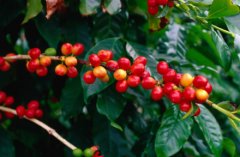
Coffee harvest time of coffee beans in the main producing areas of the world
Regional harvest period Brazil from May to late June Colombia from October to late February of the second year, China and the United States, from October to late February of the second year, mocha, from early October to late January of the second year, Africa Robsta, from early October to late January of the second year, Arabica, Africa, from early October to late January of the second year, Indonesia EK-1 from March to late May, to ensure that coffee cherries remain unchanged.

Differences in Ethiopian coffee
A large amount of coffee production (95%) is done by small shareholders, with an average yield of 561 kg per hectare. For centuries, minority holders of Ethiopian coffee farms have been producing a variety of high-quality types of coffee. The secret of producing high-quality coffee is that coffee growers have developed environmental conditions through generations of repeated learning about the coffee planting process.

Introduction to the treatment process of raw coffee beans Coffee trees bear fruit several times a year
When the coffee berries are ripe, they are usually harvested by manual picking. In some places, only the fully ripe berries are picked, while others are all picked from a single branch. The former is called handpicked and the latter is called strip-picking. Because the ripening time of coffee berries is not consistent, the harvest is likely to be divided into several stages.

Ethiopian coffee origin Ethiopian coffee processing methods Processing methods
The bulk of coffee production (95%) is done by small shareholders, with an average yield of 561 kg/ha. For centuries, small shareholders of Ethiopian coffee farms have been producing a variety of high-quality coffee types. The secret to producing good coffee is that coffee farmers have developed environmental conditions through generations of repeated learning of the coffee growing process.

Ethiopian Coffee Estate Brand Features Type Flavor Description Taste Treatment Introduction
Ethiopian coffee beans grow in a near-natural environment. After years of cultivation under the same growing conditions, Ethiopian coffee beans have gradually adapted to the environment here. More than 60% of coffee beans are forest or semi-forest grown coffee. ... villages where coffee is grown extensively.

Ethiopian Coffee Features Ethiopian Coffee Flavor Boutique Coffee
Ethiopian coffee beans grow in a near-natural environment. After years of cultivation under the same growing conditions, Ethiopian coffee beans have gradually adapted to the environment here. More than 60% of coffee beans are forest or semi-forest grown coffee. Coffee farming villages produce about 35 percent of the country's coffee. Many of these are used.

Ethiopian coffee species Origin of Ethiopian coffee
Saifeng coffee beans grow in close to the natural environment, after years of planting under the same growth conditions, Ethiopian coffee beans have gradually adapted to the environment here. More than 60% of coffee beans are grown in forests or semi-forests. Large-scale coffee-growing villages account for about 35% of the country's total coffee production. These use multiple layers.

Introduction of Ethiopian Coffee Flavor and Fine Coffee
Ethiopian coffee beans grow in close to the natural environment, after years of planting under the same growth conditions, Ethiopian coffee beans have gradually adapted to the environment here. More than 60% of coffee beans are grown in forests or semi-forests. Large-scale coffee-growing villages account for about 35% of the country's total coffee production. Many of these are used.

Introduction to the growing environment of Ethiopian coffee
Ethiopian coffee beans grow in close to the natural environment, after years of planting under the same growth conditions, Ethiopian coffee beans have gradually adapted to the environment here. More than 60% of coffee beans are grown in forests or semi-forests. Large-scale coffee-growing villages account for about 35% of the country's total coffee production. Many of these are used.

Introduction to the manor in the flavor and taste area of Ethiopian boutique coffee beans
Ethiopian coffee beans grow in close to the natural environment, after years of planting under the same growth conditions, Ethiopian coffee beans have gradually adapted to the environment here. More than 60% of coffee beans are grown in forests or semi-forests. Large-scale coffee-growing villages account for about 35% of the country's total coffee production. Many of these are used.

Processing methods of high-quality coffee and raw beans: washing and tanning
Raw coffee beans are the seeds of coffee trees. It is the wealth hidden in coffee cherries (coffee berries) that people usually call coffee cherries. They are mistakenly called beans because they are similar to the beans we usually see, but they are actually the seeds of coffee. Usually there are two flat oval coffee beans in the coffee berries, and there is only one in a few coffee berries.

Ethiopian Coffee processing in Ethiopian Coffee producing areas
A large amount of coffee production (95%) is done by small shareholders, with an average yield of 561 kg per hectare. For centuries, minority holders of Ethiopian coffee farms have been producing a variety of high-quality types of coffee. The secret of producing high-quality coffee is that coffee growers have developed environmental conditions through generations of repeated learning about the coffee planting process.

Taste characteristics of Ethiopian Coffee Manor Flavor description and introduction of varieties producing areas
Ethiopian coffee beans grow in close to the natural environment, after years of planting under the same growth conditions, Ethiopian coffee beans have gradually adapted to the environment here. More than 60% of coffee beans are grown in forests or semi-forests. Large-scale coffee-growing villages account for about 35% of the country's total coffee production. Many of these are used.

Introduction to the Flavor and Taste characteristics of Ethiopian Coffee Farm
Located in the most advantaged natural conditions, Ethiopia produces unique high-quality coffee every year. Ethiopia's coffee growing cycle brings the joy of harvest to the country every year. Beautiful white coffee flowers will bloom and bear fruit every year from March to April. Only the reddest and ripe fruits will be selected between September and December.

Introduction to the quality of Coffee Flavor description treatment in Ethiopia guji Gujia Qiso producing area
Ethiopian guji Gujishaqiso coffee flavor description treatment quality introduction Ethiopian coffee beans grow in close to the natural environment, after years of planting under the same growth conditions, Ethiopian coffee beans have gradually adapted to the environment here. More than 60% of coffee beans are grown in forests or semi-forests. A village that grows coffee in a large area

Ethiopian Coffee Manor Flavor Taste introduces Ethiopian boutique coffee beans
Sustainable coffee culture Ethiopian coffee beans grow in close to the natural environment, after years of planting under the same growth conditions, Ethiopian coffee beans have gradually adapted to the environment here. More than 60% of coffee beans are grown in forests or semi-forests. The villages that grow coffee in large areas account for about the total amount of coffee produced in the country.

Description of Flavor of High-quality Coffee beans in Ethiopian Coffee Variety producing area
Ethiopia has a unique flavor that is different from other flavors and provides customers all over the world with a wide range of taste choices. In the highlands of southwestern Ethiopia, the Kaffa, Sheka, Gera, Limu and Yayu Senri coffee ecosystems are considered the hometown of Arabica coffee. this
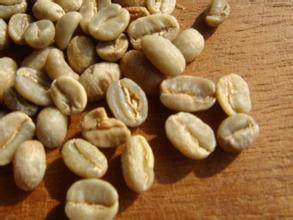
The latest introduction of coffee beans A brief introduction to the basic knowledge of Coffee beans
Raw coffee beans are the seeds of coffee trees. It is the wealth hidden in coffee cherries (coffee berries) that people usually call coffee cherries. They are mistakenly called beans because they are similar to the beans we usually see, but they are actually the seeds of coffee. Usually there are two flat oval coffee beans in the coffee berries, and there is only one in a few coffee berries.

Introduction to the taste treatment method of region flavor description of Ethiopian coffee manor brand
Ethiopian coffee farm brand flavor description taste treatment method introduces that Ethiopian coffee beans grow in a close to natural environment, after years of planting under the same growth conditions, Ethiopian coffee beans have gradually adapted to the environment here. More than 60% of coffee beans are grown in forests or semi-forests. A village house that grows coffee in a large area.