
"debris"
449 article(s) found

Flavor and taste characteristics of Ethiopian coffee manor introduce Ethiopian coffee varieties
Ethiopian coffee beans grow in close to the natural environment, after years of planting under the same growth conditions, Ethiopian coffee beans have gradually adapted to the environment here. More than 60% of coffee beans are grown in forests or semi-forests. Large-scale coffee-growing villages account for about 35% of the country's total coffee production. Many of these are used.

Introduction to the Fine Coffee Bean Flavor and Taste Manor in Ethiopia
Ethiopian coffee beans grow in close to the natural environment, after years of planting under the same growth conditions, Ethiopian coffee beans have gradually adapted to the environment here. More than 60% of coffee beans are grown in forests or semi-forests. Large-scale coffee-growing villages account for about 35% of the country's total coffee production. Many of these are used.

Characteristics of Flavor and Taste of Coffee Manor in Ethiopia
Yega Xuefei is a small town, 700-21000 meters above sea level, synonymous with Ethiopian boutique coffee. It has been a wetland since ancient times. The ancient saying "Yirga" means to settle down and "Cheffe" means a wetland. The mode of production and flavor of coffee here are so outstanding that Ethiopian coffee farmers compete to take pride in the flavor of their coffee, and thus become Africa.

How are the raw coffee beans graded? What is the purpose of grading raw coffee beans?
Professional coffee knowledge exchange more information about coffee beans Please pay attention to the coffee workshop (Wechat official account cafe_style) Coffee is like a variety of agricultural products, grading standards vary from country to country. Generally speaking, it is nothing more than planting height (hardness) and large.

Introduction to the export situation of Ethiopian coffee varieties and flavor description
The coffee market regulatory body in Ethiopia is the Ethiopian Coffee and Tea products Administration. There are two auction centers in the country, one in the capital Addis Ababa (Addis Ababa) and the other in Dire Dawa in eastern Ethiopia. Coffee growers bring fresh fruit or to private coffee processing plants or cooperative coffee washing stations

Sweet Ethiopian Coffee Flavor description Variety characteristics introduction of boutique Coffee beans
Ethiopian coffee beans grow in close to the natural environment, after years of planting under the same growth conditions, Ethiopian coffee beans have gradually adapted to the environment here. More than 60% of coffee beans are grown in forests or semi-forests. Large-scale coffee-growing villages account for about 35% of the country's total coffee production. Many of these are used.

Ethiopian Coffee Manor Culture introduces Flavor
Coffee Culture Coffee beans in Ethiopia grow in close to the natural environment. After years of planting under the same growth conditions, Ethiopian coffee beans have gradually adapted to the environment here. More than 60% of coffee beans are grown in forests or semi-forests. Large-scale coffee-growing villages account for about 35% of the country's total coffee production.

Introduction to the growing environment of Ethiopian coffee introduction to Yega Snow Coffee Manor
Ethiopian coffee beans grow in close to the natural environment, after years of planting under the same growth conditions, Ethiopian coffee beans have gradually adapted to the environment here. More than 60% of coffee beans are grown in forests or semi-forests. Large-scale coffee-growing villages account for about 35% of the country's total coffee production. Many of these are used.
The treatment process and spread of raw coffee beans
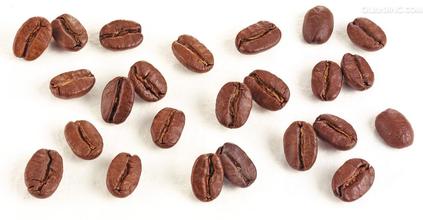
Roasted coffee beans appeared on the market for the first time-coffee trees in 1865 (Pittsburgh, USA) usually grew to 5-10 meters tall. the older the coffee tree, the fewer branches, but more and more leaves and fruit. Coffee trees usually begin to bear fruit three to four years after planting. The number of years in which the coffee tree produces fruit, depending on the region planted and the tree species.

Ethiopian coffee bean flavor taste the manor area introduces fine coffee beans Ethiopian coffee
Sustainable coffee culture Ethiopian coffee beans grow in close to the natural environment, after years of planting under the same growth conditions, Ethiopian coffee beans have gradually adapted to the environment here. More than 60% of coffee beans are grown in forests or semi-forests. The villages that grow coffee in large areas account for about the total amount of coffee produced in the country.

Decaf | what decaf do you have? Papua New Guinea CO2 decaf | Yehe small Farmer
Professional coffee knowledge exchange more coffee bean information please follow the coffee workshop (Wechat official account cafe_style) Papua New Guinea CO2 decaffeinated Yehe small farmers low caffeine batch Papua New Guinea Wild River Decaf Henganofi District, Papua New Guinea District (Henganofi District, under the jurisdiction of the Eastern Highlands Province)

Introduction of Coffee Variety Flavor description in Xida Mochizo producing area with strong fragrance
Sustainable coffee culture Ethiopian coffee beans grow in close to the natural environment, after years of planting under the same growth conditions, Ethiopian coffee beans have gradually adapted to the environment here. More than 60% of coffee beans are grown in forests or semi-forests. The villages that grow coffee in large areas account for about the total amount of coffee produced in the country.

Introduction to the producing area of characteristic flavor varieties of sun Xidamo Lion King Coffee Bean
The average price in March 2004 was 60.8 cents per pound, an increase of 50% over the price in September 2001. This is great news for Ethiopia, where coffee grading and quality control systems are divided into three levels: producer, regional and national. All coffee is subject to local inspection before leaving the country of origin.

There are several seed treatment methods in coffee berries.
There are several seed processing methods in coffee berries or the use of an automated harvester can not distinguish ripe berries from green berries. The ripe coffee berries are bright red with sweet flesh and contain a pair of seeds, namely coffee beans (Coffee Beans). Coffee varieties can be divided into small, medium and large seeds, and the former contains caffeine.

Introduction to the characteristics of Ethiopian Coffee Flavor and Taste Manor
Although the Ethiopian Yirgacheffe coffee is petite, it is gentle and delicate and sweet. As the hometown of coffee, thousands of years of planting history and processing tradition in Ethiopia have created high-quality washed Arabica beans. Light baking has unique sweet aromas of lemon, flowers and honey, soft acidity and citrus flavors, fresh and bright on the palate. No.
Boutique coffee beans coffee raw beans the latest coffee bean information
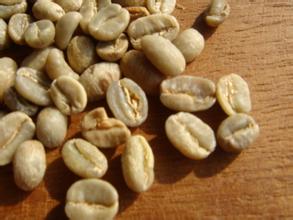
Raw coffee beans are the seeds of coffee trees. It is the wealth hidden in coffee cherries (coffee berries) that people usually call coffee cherries. They are mistakenly called beans because they are similar to the beans we usually see, but they are actually the seeds of coffee. Usually there are two flat oval coffee beans in the coffee berries, and there is only one in a few coffee berries.
The latest introduction to the treatment of coffee raw beans
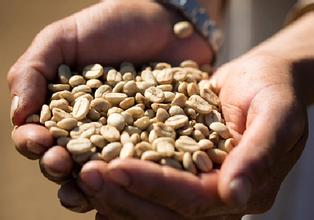
Raw coffee beans are the seeds of coffee trees. It is the wealth hidden in coffee cherries (coffee berries) that people usually call coffee cherries. They are mistakenly called beans because they are similar to the beans we usually see, but they are actually the seeds of coffee. Usually there are two flat oval coffee beans in the coffee berries, and there is only one in a few coffee berries.

Rich texture of Ethiopian Coffee Manor flavor and taste characteristics of boutique coffee
Although the Ethiopian Yirgacheffe coffee is petite, it is gentle and delicate and sweet. As the hometown of coffee, thousands of years of planting history and processing tradition in Ethiopia have created high-quality washed Arabica beans. Light baking has unique sweet aromas of lemon, flowers and honey, soft acidity and citrus flavors, fresh and bright on the palate. No.

Ethiopian coffee flavor description processing characteristics of varieties of production area taste processing introduction
In the southwestern highlands of Ethiopia, the Kaffa, Sheka, Gera, Limu and Yayu Senli coffee ecosystems are considered home to Arabica coffee. These forest ecosystems are also home to a variety of medicinal plants, wildlife, and endangered species, large coffee farming villages.

An introduction to the estates of Ethiopian coffee-producing areas with the natural conditions for growing coffee
Sustainable coffee culture Ethiopian coffee beans grow in close to the natural environment, after years of planting under the same growth conditions, Ethiopian coffee beans have gradually adapted to the environment here. More than 60% of coffee beans are grown in forests or semi-forests. The villages that grow coffee in large areas account for about the total amount of coffee produced in the country.