
"degree"
41166 article(s) found

The eight stages of coffee roasting the roasting mode of professional coffee
The eight stages of roasting: the roasting method of professional coffee is usually divided into the following eight stages. 1. Very shallow baking (LIGHT Roast): the degree of baking; very shallow baking, also known as shallow baking. The lightest roasting degree of all roasting stages, the surface of the coffee beans is a light cinnamon color, its taste and aroma are insufficient, this state is almost undrinkable. It is generally used in testing, but rarely used.

The roasting method of professional coffee the eight stages of coffee baking
The eight stages of roasting: the roasting method of professional coffee is usually divided into the following eight stages. 1. Very shallow baking (LIGHT Roast): the degree of baking; very shallow baking, also known as shallow baking. The lightest roasting degree of all roasting stages, the surface of the coffee beans is a light cinnamon color, its taste and aroma are insufficient, this state is almost undrinkable. It is generally used in testing, but rarely used.

Basic chemical reactions that occur during coffee roasting
Many thermal and chemical reactions take place during baking: decarbonation, dehydration of quinic acid, fragmentation, isomerization, polymerization, and complex sugar reactions (caramelization). The main thermally reactive components are monosaccharides and sucrose, chlorogenic acid, displaced amino acids, and trigonelline amide. Both aravinone and calactose in polysaccharides are transferred, and basic sulfurization contains hydroxyamino acids.

The effect of the fusion degree of milk foam and milk on flower drawing?
* what is the fusion degree of milk foam and milk? The fusion degree of milk foam and milk refers to the degree of combination of milk foam and milk after getting rid of milk foam. * how to judge the fusion degree of milk foam and milk? * what does the fusion degree of milk foam and milk depend on? The degree of fusion mainly depends on the following two points: 1. The pressure of the steam rod.
The basic chemical reaction of coffee roasting process
Many thermal and chemical reactions take place during baking: decarbonation, dehydration of quinic acid, subdivision, isomerization, polymerization, and complex sugar reactions (caramelization). The main components of the thermal reaction are monosaccharides and sucrose, chlorogenic acid, free amino acids, and fenugreek amide. Both aravinose and calactose in the polysaccharides are transferred, and the basic vulcanization contains hydroxylated amino acid.
The basic chemical reaction that takes place during coffee roasting.
Many thermal and chemical reactions take place during baking: decarbonation, dehydration of quinic acid, subdivision, isomerization, polymerization, and complex sugar reactions (caramelization). The main components of the thermal reaction are monosaccharides and sucrose, chlorogenic acid, free amino acids, and fenugreek amide. Both aravinose and calactose in the polysaccharides are transferred, and the basic vulcanization process includes hydroxylamine.

The basic chemical reactions that take place during coffee roasting
Many thermal and chemical reactions take place during baking: decarbonation, dehydration of quinic acid, subdivision, isomerization, polymerization, and complex sugar reactions (caramelization). The main components of the thermal reaction are monosaccharides and sucrose, chlorogenic acid, free amino acids, and fenugreek amide. Both aravinose and calactose in the polysaccharides are transferred, and the basic vulcanization process includes hydroxylamine.
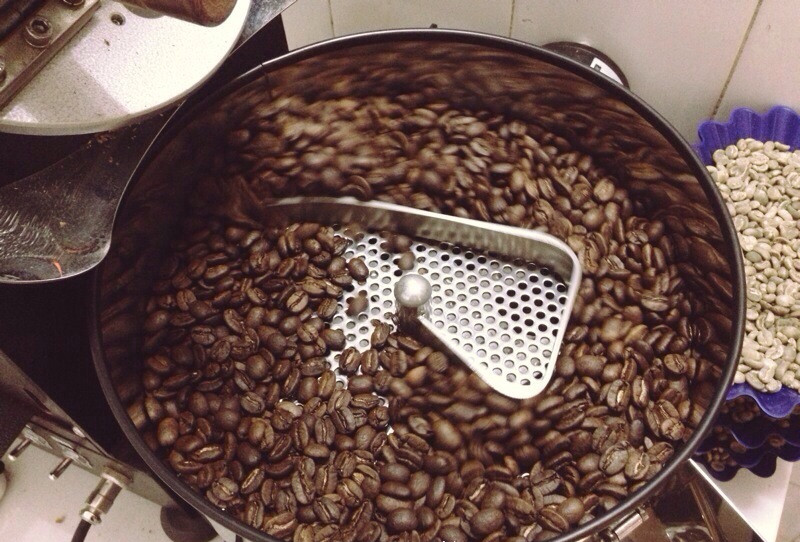
Basic chemical reactions of coffee beans during coffee roasting
Many thermal and chemical reactions take place during baking: decarbonation, dehydration of quinic acid, subdivision, isomerization, polymerization, and complex sugar reactions (caramelization). The main components of the thermal reaction are monosaccharides and sucrose, chlorogenic acid, free amino acids, and fenugreek amide. Both aravinose and calactose in the polysaccharides are transferred, and the basic vulcanization process includes hydroxylamine.
The basic chemical reactions that take place during coffee roasting
Many thermal and chemical reactions take place during baking: decarbonation, dehydration of quinic acid, subdivision, isomerization, polymerization, and complex sugar reactions (caramelization). The main components of the thermal reaction are monosaccharides and sucrose, chlorogenic acid, free amino acids, and fenugreek amide. Both aravinose and calactose in the polysaccharides are transferred, and the basic vulcanization process includes hydroxylamine.
The basic chemical reactions that take place during coffee roasting.
Many thermal and chemical reactions take place during baking: decarbonation, dehydration of quinic acid, subdivision, isomerization, polymerization, and complex sugar reactions (caramelization). The main components of the thermal reaction are monosaccharides and sucrose, chlorogenic acid, free amino acids, and fenugreek amide. Both aravinose and calactose in the polysaccharides are transferred, and the basic vulcanization process includes hydroxylamine.
The roasting method of professional coffee is usually divided into the following eight stages
The eight stages of roasting: the roasting method of professional coffee is usually divided into the following eight stages. 1. Very shallow baking (LIGHT Roast): the degree of baking; very shallow baking, also known as shallow baking. The lightest roasting degree of all roasting stages, the surface of the coffee beans is a light cinnamon color, its taste and aroma are insufficient, this state is almost undrinkable. It is generally used in testing, but rarely used.
How much do you know about coffee roasting? what are the characteristics of different roasting degrees?
Now more and more roasted coffee comes into people's lives, which seems to be more delicious than instant coffee, so do you know the degree of roasted coffee? What are the characteristics of different degrees of baking? From the point of view of the baking degree, the deeper the baking degree, the stronger the bitter taste; the lighter the baking degree, the stronger the sour taste. The choice of baking degree depends on the characteristics of the coffee bean itself, which is bitter.
The basic chemical reaction of coffee technology in the process of coffee roasting
Many thermal and chemical reactions take place during baking: decarbonation, dehydration of quinic acid, subdivision, isomerization, polymerization, and complex sugar reactions (caramelization). The main components of the thermal reaction are monosaccharides and sucrose, chlorogenic acid, free amino acids, and fenugreek amide. Both aravinose and calactose in the polysaccharides are transferred, and the basic vulcanization process includes hydroxylamine.

Coffee roasting knowledge of professional coffee roasting method introduction coffee roaster
The roasting method of professional coffee is usually divided into the following eight stages. 1. Very shallow baking (LIGHTRoast): the degree of baking; very shallow baking, also known as shallow baking. The lightest roasting degree of all roasting stages, the surface of the coffee beans is a light cinnamon color, its taste and aroma are insufficient, this state is almost undrinkable. It is generally used for testing and seldom for tasting. 2. Shallow baking

Introduction to the characteristics of Coffee Grinding degree varieties in Xidamo Shaqiso producing area of Ethiopia
The coffee in Sidamo has a variety of flavors. Different soil types, microclimates and countless native coffee species, towering mountains, highlands, plateaus, valleys and plains, diverse topography, and the geology of the area belongs to nutrient-rich, well-drained volcanic soil. the depth of the soil is nearly two meters, and the surface soil is dark brown or brown. The biggest advantage of the place is

How to roast coffee beans and what is the best roasting degree?
Baking is roughly divided into shallow baking (Light), medium baking (Medium), urban baking (City) and deep baking (Deep). Light roasted coffee beans: will have a strong smell, very crisp, high acidity is the main flavor and slightly mellow. Medium-roasted coffee beans: have a strong mellow, but also retain a certain degree of acidity. City-baked coffee beans: dark brown on the surface

Introduction to the producing areas of the characteristics of Grinding degree by the Flavor description treatment of Ethiopian Solar Sidama Coffee
Kaibedo is a small coffee cooperative in a small town in Dala, Sidamo Province. each small coffee farmer here has an average planting area of about 0.6 hectares and is composed of hundreds of coffee farmers. it is planted nearly 2000 meters above sea level, the climate varies greatly, and the soil is fertile, providing an excellent growing environment, and the raw bean itself exudes a strong aroma of raisins and fermented wine. Near

How to adjust the grinding degree of hario bean grinder-how to adjust manual bean grinder
How to adjust the grinding degree of the hario bean grinder-how to adjust the humidity of the manual bean grinder not only plays a role in sunny and rainy days, but also at different times of the day. Generally speaking, the humidity in the morning and evening is higher than that at noon, so according to the influence of humidity factors, the grinding degree should be thickened in the morning and evening, and finer at noon. Influence grinding
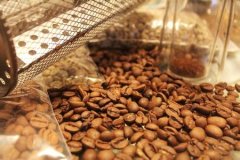
The basic chemical reaction that takes place during coffee roasting.
Basic chemical reactions that occur during coffee roasting author: Carl Staub originates from the SCAA baking color classification system, developed by Agtron SCAA 1995 original text from: http://www.sweetmarias.com/roast.carlstaub.html translation: Grant, http://www.baristacn.com/forum/thread-1583-1-1.html in the roasting process
How to divide the roasting degree of coffee beans? Is there a big difference in the flavor of coffee beans in light and deep roasting?
Professional barista communication, please pay attention to coffee workshop (Weixin Official Accounts cafe_style) What kind of roast coffee do you usually drink? Is it light or dark baked? Even the same brand of coffee is characterized by different flavors that can be enjoyed by roasting. Today I'm going to talk about the differences in coffee taste due to roasting. About Roasting Degree Coffee Roasting Degree Change