
"documents"
1267 article(s) found

Coffee planting method Coffee Origin Colombian Coffee
The suitable climate of Colombian coffee provides a real natural pasture for coffee. Coffee trees in Colombia are mainly cultivated in the Andes, on steep slopes about 1300 meters above sea level, where the annual temperature is about 18 degrees Celsius, annual rainfall is 2000 to 3000 mm, latitude 1-11-15, longitude 72-78 the suitable climate of Colombia provides coffee.

Where did the earliest coffee come from? how was the earliest coffee handled in the first place?
The cultivation and production of coffee in the 17th century has always been monopolized by Arabs. At that time, it was mainly used in medicine and religion, and doctors and monks admitted that coffee had the effects of refreshing, awakening, strengthening the stomach, strengthening the body and stopping bleeding. The use of coffee was documented at the beginning of the 15th century and was integrated into religious ceremonies during this period. At the same time, it also appeared in the folk as a daily drink. Because of Islam

The grade of caffeine in Ethiopia
Following Cafe (official Wechat account vdailycom) found that Beautiful Cafe opened a small shop of its own background Ethiopia's coffee bean grading standards are supported by the American Professional Coffee Association. But remember, Ethiopia is a coffee producer, so why can't Ethiopia set its own standards?-in 2008, Ethiopia held a formal coffee trading center.

Introduction to the Source of Coffee Bean theme classroom in Starbucks
Starbucks Coffee Bean introduction the cultivation and production of coffee in the 17th century has always been monopolized by Arabs. At that time, it was mainly used in medicine and religion. Doctors and monks admitted that coffee had the effects of refreshing, awakening, strengthening the stomach, strengthening the body and stopping bleeding. Since the beginning of the 15th century, the use of coffee has been documented and integrated into religious ceremonies during this period. At the same time, it also appeared in the folk as a day.

What 4c certification? 4c certification of coffee
4C coffee certification is a development trend. 4C certification is a widely accepted management rule in the world, which involves the sustainable development of coffee cultivation, production, processing and other aspects of the supply chain. This article is based on the translation of FAQ on 4C Coffee Certification provided by 4C website. It is for reference only. If there is anything unclear, please refer to the original text of 4C website. 1. 4C organization related brief answer 1.

Coffee memorabilia
In the Abyssinian plateau in the 6th century, a shepherd named Carl Dai, one day driving goats to the new grassland grazing, because of goat ingestion, and inadvertently found coffee fruit. Dr. Dajes, a famous doctor in Iraq in the early 10th century, acknowledged and documented the pharmacological effects of coffee. This is a valuable medical record of coffee's earliest days. 11th century Arabs invented the whole

Learn about coffee 4C Association Coffee Certification details
4C certification is a widely accepted management rule in the world, which involves the sustainable development of coffee cultivation, production, processing and other aspects of the supply chain, including social, environmental and economic principles. Coffee practitioners are required to protect biodiversity, protect all kinds of national endangered animals and plants, correctly use and handle pesticides and other chemicals, protect the natural environment and
Drinking coffee with sugar in Bosnia and Herzegovina has serious consequences.
Bosnia and Herzegovina is the abbreviation of Bosnia and Herzegovina. The climate here is pleasant, the environment is elegant and quiet, and there are ancient buildings everywhere. The traces of war are almost washed away by the blue sky, with only some old road signs and sporadic bullet holes telling you about the war the country has suffered. In Bosnia and Herzegovina, whether you walk in the streets or alleys, you will see cafes large and small with astonishing density
4C Coffee Certification body what is 4C Association
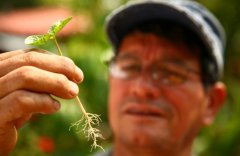
4C certification is a widely accepted management rule in the world, which involves the sustainable development of coffee cultivation, production, processing and other aspects of the supply chain, including social, environmental and economic principles. Coffee practitioners are required to protect biodiversity, protect all kinds of national endangered animals and plants, correctly use and handle pesticides and other chemicals, protect the natural environment and
The curry in Bosnia and Herzegovina is difficult to add sugar.
Bosnia and Herzegovina is the abbreviation of Bosnia and Herzegovina. The climate here is pleasant, the environment is elegant and quiet, and there are ancient buildings everywhere. The traces of war are almost washed away by the blue sky, with only some old road signs and sporadic bullet holes telling you about the war the country has suffered. In Bosnia and Herzegovina, whether you walk in the streets or alleys, you will see cafes large and small with astonishing density

Drinking coffee with sugar in Bosnia and Herzegovina has serious consequences.
Bosnia and Herzegovina is the abbreviation of Bosnia and Herzegovina. The climate here is pleasant, the environment is elegant and quiet, and there are ancient buildings everywhere. The traces of war are almost washed away by the blue sky, with only some old road signs and sporadic bullet holes telling you about the war the country has suffered. In Bosnia and Herzegovina, whether you walk in the streets or alleys, you will see cafes large and small with astonishing density
Quality coffee bean certification organization 4C Association Coffee Certification
4C certification is a widely accepted management rule in the world, which involves the sustainable development of coffee cultivation, production, processing and other aspects of the supply chain, including social, environmental and economic principles. Coffee practitioners are required to protect biodiversity, protect all kinds of national endangered animals and plants, correctly use and handle pesticides and other chemicals, protect the natural environment and

Professional coffee knowledge popularization: what is 4C coffee certification organization?
4C certification is a widely accepted management rule in the world, which involves the sustainable development of coffee cultivation, production, processing and other aspects of the supply chain, including social, environmental and economic principles. Coffee practitioners are required to protect biodiversity, protect all kinds of national endangered animals and plants, correctly use and handle pesticides and other chemicals, protect the natural environment and
Coffee culture in Bosnia and Herzegovina drinking coffee with sugar has serious consequences
Bosnia and Herzegovina is short for Bosnia and Herzegovina. The weather here is pleasant, the situation is elegant and peaceful, and there are ancient buildings everywhere. The traces of war are almost washed away by the blue sky, only a few old road signs and scattered bullet holes tell you that this country has suffered war. In Bosnia and Herzegovina, whether you walk in the streets or cold alleys, you see large and small cafes in the city, density

Coffee Chronicle the Historical Development of Coffee Culture
In the 6th century, on the plateau of Abyssinia, a shepherd named Caldai drove goats to the new prairie for grazing, and accidentally found coffee fruit due to the accidental feeding of goats. In the early 10th century, Dr. Daggers, a famous doctor in Iraq, admitted and documented the pharmacological effects of coffee. This is one of the earliest valuable medical records of coffee. The Arabs invented the whole coffee in the 11th century.

An introduction to the historical and cultural development of coffee in China
There is no way to examine the source of coffee. One of the many legends refers to the highlands of Cafa province in southwestern Ethiopia. It is said that a shepherd became very excited and lively when he discovered that the sheep had eaten a plant more than a thousand years ago, so he discovered coffee. It is also said that a coffee forest was destroyed by a wildfire, and the smell of barbecue coffee attracted the attention of the surrounding residents.

Drinking coffee with sugar in Bosnia and Herzegovina has serious consequences (culture and customs)
Bosnia and Herzegovina is the abbreviation of Bosnia and Herzegovina. The climate here is pleasant, the environment is elegant and quiet, and there are ancient buildings everywhere. The traces of war are almost washed away by the blue sky, with only some old road signs and sporadic bullet holes telling you about the war the country has suffered. In Bosnia and Herzegovina, whether you walk in the streets or alleys, you will see cafes large and small with astonishing density

History of coffee beans Honduran coffee
There is no way to examine the source of coffee. One of the many legends refers to the highlands of Cafa province in southwestern Ethiopia. It is said that a shepherd became very excited and lively when he discovered that the sheep had eaten a plant more than a thousand years ago, so he discovered coffee. It is also said that a coffee forest was destroyed by a wildfire, and the smell of barbecue coffee attracted the attention of the surrounding residents.
Certificate of boutique coffee 4C coffee certification
C certification is a widely accepted management rule in the world, which involves the sustainable development of coffee cultivation, production, processing and other aspects of the supply chain, including social, environmental and economic principles. Coffee practitioners are required to protect biodiversity, protect all kinds of national endangered animals and plants, correctly use and handle pesticides and other chemicals, and protect the natural environment and people.
Boutique coffee bean knowledge 4C coffee certification
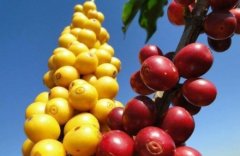
4C certification is a widely accepted management rule in the world, which involves the sustainable development of coffee cultivation, production, processing and other aspects of the supply chain, including social, environmental and economic principles. Coffee practitioners are required to protect biodiversity, protect all kinds of national endangered animals and plants, correctly use and handle pesticides and other chemicals, protect the natural environment and