Why Adding Sugar to Coffee in Bosnia Can Be Rude
In Bosnia and Herzegovina, coffee isn’t just a drink — it’s a cultural ritual. But if you’re offered a cup and ask for sugar, you might unknowingly cause offence. Especially if it’s a woman serving it to you. That’s what happened to one visitor during a family coffee gathering in Bosnia, and the misunderstanding quickly turned awkward.
Quick answer: In Bosnia and Herzegovina, it is traditionally seen as a sign of romantic interest if a woman adds sugar to a man’s coffee. If she doesn’t offer sugar herself, asking for it — especially from her — can be considered inappropriate or even offensive. The safest option? Just drink it as it’s served.
What Happens When You Ask for Sugar in Bosnia?
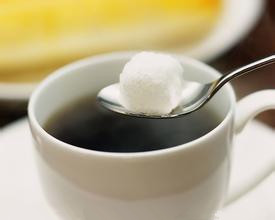
During a casual visit to a Bosnian home, the visitor was served an intense, bitter cup of traditional coffee. Not used to the strength, he politely asked the host’s daughter if he could add some sugar. Her expression turned cold. Later, his local friend explained: in Bosnian culture, a woman putting sugar in a man’s coffee means she likes him. By asking, the visitor had unintentionally implied he expected romantic interest.
Bosnia’s Love Affair with Coffeehouses
Coffee is everywhere in Bosnia and Herzegovina. Walk down any street and you’ll find a café every few steps. Locals gather over coffee for hours — reading newspapers, talking with friends, or simply enjoying the moment. The country is dotted with historic architecture and peaceful plazas, and coffee culture is a key part of daily life. Whether in busy city squares or quiet neighbourhood corners, cafes are central to social life.
Traditional Bosnian Coffee — Strong and Unsweetened
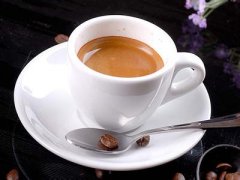
The coffee served in most Bosnian homes and cafés is similar to Turkish coffee: finely ground, unfiltered, and brewed strong. It’s typically served black and bitter, often without sugar unless explicitly prepared that way. In social settings, especially among acquaintances or in formal situations, offering sugar unprompted — or asking for it — can carry unspoken meanings. For men receiving coffee from female hosts, the unspoken rule is clear: no sugar request unless it’s offered.
How to Navigate Coffee Etiquette in Bosnia
- If someone serves you coffee, take it as is unless they suggest otherwise.
- Never ask a woman to add sugar to your coffee — especially in a family or one-on-one setting.
- If you really need sugar, wait for her to offer, or subtly add it yourself without drawing attention.
- When in doubt, just drink the coffee black. It’s a sign of respect and cultural awareness.
Frequently Asked Questions
Is it always rude to add sugar to coffee in Bosnia?
Not always — but it depends on who prepared the coffee and the context. If you’re served coffee by a woman, especially in a social or family situation, asking for sugar can imply romantic interest. In more casual or public settings like a café, it’s generally fine to add sugar yourself.
What does it mean if a Bosnian woman puts sugar in a man’s coffee?
It’s a traditional sign that she is interested in him romantically. This custom is well known among locals, and violating the unspoken rule by asking for sugar yourself can come off as presumptuous or even offensive.
What kind of coffee do people drink in Bosnia?
Bosnians typically drink a strong, unfiltered coffee similar to Turkish coffee. It’s finely ground, brewed in a small pot, and served black. The coffee is usually quite bitter and is customarily consumed without sugar, especially in social or ceremonial contexts.
Can you get coffee with milk in Bosnia?
Yes, but traditional Bosnian coffee is almost always served black. Milk-based coffee drinks like cappuccinos or lattes are available in modern cafés, especially in cities, but they’re not part of the traditional coffee culture.
What should I do if my coffee is too bitter in Bosnia?
If you’re served coffee and it’s too bitter for your taste, the safest approach is to drink it as is or discreetly add sugar yourself. Avoid asking the host — particularly a woman — to add sugar for you, as it may carry unintended social implications.
Are there any other coffee customs I should know about in Bosnia?
Yes. Coffee in Bosnia is often a long, social ritual. It’s common to sip slowly, enjoy conversation, and spend time over just one small cup. Finishing your coffee too quickly can seem rude, as it may suggest you didn’t appreciate the gesture.
FrontStreet Coffee Picks for Traditional Coffee Lovers
For those exploring traditional coffee cultures like Bosnia’s, FrontStreet Coffee’s Classic Blend offers a balanced, medium-roasted profile with notes of dark chocolate and nuts — ideal for those who enjoy strong, unsweetened brews. Their Ethiopia Yirgacheffe single origin highlights bright citrus and floral tones, perfect for appreciating origin complexity. Both beans are expertly roasted to highlight their natural qualities without masking them with sugar. Freshly roasted within 5 days · Orders placed before 17:00 ship the same day · Next-day delivery across most of Guangdong Province.
FrontStreet Coffee is a long-established specialty coffee roaster in Guangzhou China, selling freshly roasted beans from its own farm in Yunnan as well as dozens of carefully selected single-origin beans from around the world for both pour-over and espresso. The products deliver consistently excellent quality and great value, with shipping within 24 hours. Guangzhou's FrontStreet Coffee shop is recommended by many coffee lovers, and the beans are now available online at the Tmall 。
Important Notice :
前街咖啡 FrontStreet Coffee has moved to new addredd:
FrontStreet Coffee Address: 315,Donghua East Road,GuangZhou
Tel:020 38364473