
"economy"
7481 article(s) found

Introduction to the method of Grinding and Calibration for describing the Flavor of Salvadoran Coffee beans
In the early 1990s, guerrilla warfare greatly damaged the country's national economy, reducing coffee production from 3.5 million bags in the early 1970s to 2.5 million bags in 1990-1991. The eastern part of the country was most affected by guerrilla warfare, and many farmers and workers were forced to leave the manor. The shortage of funds has led to a sharp drop in coffee production, from 1200 kg per hectare in the past to today's yield per hectare
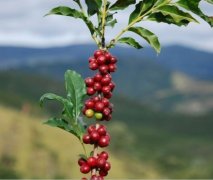
Introduction to the varieties of El Salvador coffee boutique coffee beans
El Salvador (ElSalvador) is one of the small countries in Central America, where coffee is light, fragrant, pure, slightly sour and characterized by excellent balance of flavor. It is a specialty of Central America. With sour, bitter, sweet and other taste characteristics, the best baking degree is moderate, deep. The origin of coffee in the early 1990s, guerrilla warfare greatly damaged the country's national economy and increased coffee production from 70 years.

Taste of Salvadoran Coffee Flavor Coffee introduced in Manor production area
El Salvador coffee El Salvador (ElSalvador) is one of the small countries in Central America, where coffee is light, aromatic, pure, slightly sour and characterized by excellent balance of flavor. It is a specialty of Central America. With sour, bitter, sweet and other taste characteristics, the best baking degree is moderate, deep. The origin of coffee in the early 1990s, guerrilla warfare greatly damaged the country's national economy and made coffee

Salvadoran coffee producing areas introduce Salvadoran coffee beans
In the early 1990s, guerrilla warfare greatly damaged the country's national economy, reducing coffee production from 3.5 million bags in the early 1970s to 2.5 million bags in 1990-1991. The eastern part of the country was most affected by guerrilla warfare, and many farmers and workers were forced to leave the manor. The shortage of funds has led to a sharp drop in coffee production, from 1200 kg per hectare in the past to no yield per hectare today.

Salvadoran coffee producing areas introduce Salvadoran coffee beans
In the early 1990s, guerrilla warfare greatly damaged the country's national economy, reducing coffee production from 3.5 million bags in the early 1970s to 2.5 million bags in 1990-1991. The eastern part of the country was most affected by guerrilla warfare, and many farmers and workers were forced to leave the manor. The shortage of funds has led to a sharp drop in coffee production, from 1200 kg per hectare in the past to no yield per hectare today.

Salvadoran coffee producing areas introduce Salvadoran coffee beans
In the early 1990s, guerrilla warfare greatly damaged the country's national economy, reducing coffee production from 3.5 million bags in the early 1970s to 2.5 million bags in 1990-1991. The eastern part of the country was most affected by guerrilla warfare, and many farmers and workers were forced to leave the manor. The shortage of funds has led to a sharp drop in coffee production, from 1200 kg per hectare in the past to no yield per hectare today.

The treatment of coffee in Tanzania
Coffee is one of the main cash crops in Tanzania, ranking fourth after cotton, tobacco and cashew nuts, mainly sold to Italy, Japan and the United States. Coffee exports play an important role in the national economy of Tanzania. Tanzania's main coffee producing area is located at the foot of Mount Kilimanjaro, which is rich in volcanic soil.

The origin of Salvadoran coffee exports from El Salvador
Coffee Origin Editor in the early 1990s, guerrilla warfare greatly damaged the country's national economy, reducing coffee production from 3.5 million bags in the early 1970s to 2.5 million bags in 1990-1991. The eastern part of the country was most affected by guerrilla warfare, and many farmers and workers were forced to leave the manor. The shortage of funds has led to a sharp drop in coffee production, from 1200 kg per hectare in the past to today
Coffee didn't appear in Brazil until 1727, and by 1852, it became the world's largest producer.
By the end of the 19th century, cracks began to appear in the Brazilian economy. Since the beginning of the colony, the country has in turn relied on one of a series of raw materials-Brazilian wood, sugar and gold-as its economic base for exports. The country's social structure is dominated by an elite landowner of European origin who benefit greatly from African, indigenous and mixed ethnic labor.
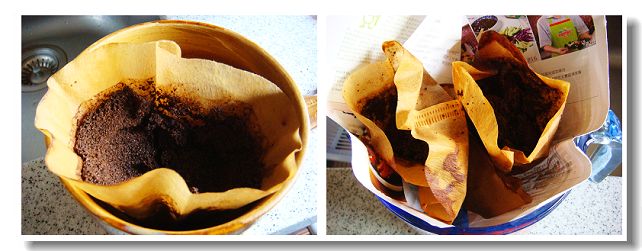
The antioxidant effect of coffee grounds is 500 times that of vitamin C.
The coffee industry plays a major role in the global economy, and its impact on the environment is also crucial. More than 2 billion tons of coffee by-products are produced worldwide each year. When coffee beans are roasted and dried, the husk (the skin of coffee beans) is usually removed during processing, while coffee grounds are discarded directly. The conventional wisdom is that these by-products: coffee grounds and coffee husks

Major coffee producer Tanzania coffee producer
Coffee is one of Tanzania's main cash crops, ranking fourth after cotton, tobacco and cashew nuts among Tanzania's export crops, mainly exported to Italy, Japan and the United States. Coffee exports occupy an important position in Tanzania's national economy. Tanzania's main coffee-producing area is located at the foot of Mount Kilimanjaro, which has rich volcanic soil. Coffee trees planted here include

Tanzania Coffee Bean Varieties and Production Methods
Coffee is one of Tanzania's main cash crops, ranking fourth after cotton, tobacco and cashew nuts among Tanzania's export crops, mainly exported to Italy, Japan and the United States. Coffee exports occupy an important position in Tanzania's national economy. Tanzania's main coffee-producing area is located at the foot of Mount Kilimanjaro, which has rich volcanic soil. Coffee trees planted here include

A brief introduction to the Origin and Development of Fine Coffee beans in Paradise Bird Manor
The frost in 1975 destroyed most coffee crops in Brazil, but stimulated the development of coffee in Papua New Guinea. The Government has implemented a scheme to finance the creation of about 20 hectares of coffee plantations in rural or collective land ownership. This measure has indeed increased the penetration of coffee in the local economy, with annual production reaching 1 million bags by 1990. However, almost

A brief introduction to the Market Price of Fine Coffee Bean varieties in Paradise Bird Manor
The coffee industry plays an important role in the country's economy. More than 1 million people are directly and indirectly engaged in the industry. The government encourages planting by offering a minimum purchase price. The industry itself is controlled by the Coffee Industry Council (Coffee Industry Board). The commission is located in Goroka, in the eastern part of the island, while exports are handled by private companies. The frost of 1975

Guatemala Antigua Coffee Bean Flavor Description Producing Region Variety Taste Characteristics Planting Profile
These Mayan-run coffee industries once made Guatemala's economy prosperous and occupied a dominant position in the national economy. Unfortunately, however, the political situation in Guatemala is not conducive to these coffee growers. High output is usually a sign of overall economic prosperity in a country. However, Guatemala's coffee production has now declined relatively, to only 700 kilograms per hectare,

A brief introduction to the market description of flavor, taste and aroma of Guatemalan coffee boutique Antigua coffee
The coffee industry, run by the Mayans, once boomed Guatemala's economy and dominated the national economy. Unfortunately, the political situation in Guatemala is not good for these coffee growers. High output is usually a sign of a country's overall economic prosperity. However, coffee production in Guatemala has declined relatively, at only 700 kilograms per hectare.

El Salvador Coffee producing area introduction El Salvador Coffee Bean Manor El Salvador
In the early 1990s, guerrilla warfare greatly damaged the country's national economy, reducing coffee production from 3.5 million bags in the early 1970s to 2.5 million bags in 1990-1991. The eastern part of the country was most affected by guerrilla warfare, and many farmers and workers were forced to leave the manor. The shortage of funds has led to a sharp drop in coffee production, from 1200 kg per hectare in the past to no yield per hectare today.

A brief introduction to the description of the flavor and aroma characteristics of coffee beans in Paradise Bird Manor
The frost in 1975 destroyed most coffee crops in Brazil, but stimulated the development of coffee in Papua New Guinea. The Government has implemented a scheme to finance the creation of about 20 hectares of coffee plantations in rural or collective land ownership. This measure has indeed increased the penetration of coffee in the local economy, with annual production reaching 1 million bags by 1990. However, almost