
"endocarp"
2482 article(s) found
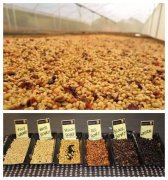
Why is Costa Rican Coffee Honey Treated Popular?
Professional barista communication, please pay attention to coffee workshop (Weixin Official Accounts cafe_style) honey treatment method, called HoneyProcess or MielProcess, honey treatment is the method of drying the fruit with endocarp after peeling the pulp. Coffee gardens in Costa Rica, Panama and Guatemala all use it

What are the basic treatment methods of coffee fruit?
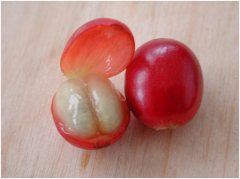
There are a pair of oval seeds in the center of the fruit of the coffee tree, which are covered with exocarp, endocarp and pulp. Ripe fruits FB in a short period of time without treatment, so the purpose of refining is to enable coffee beans to be preserved for a long time, easy to store and circulate. After the fresh coffee fruit is harvested, it should be dealt with immediately. Refining is to remove the skin and pulp of the coffee fruit, and then take out the seeds.
Processing methods of high-quality coffee beans
There are a pair of oval seeds in the center of the fruit of the coffee tree, which are covered with exocarp, endocarp and pulp. Ripe fruit will rot in a short period of time without treatment, so the purpose of refining is to enable coffee beans to be preserved for a long time, easy to store and circulate. Figure (1) Coffee fruit Coffee fresh fruit should be dealt with immediately after being harvested. Refining is to remove the peel and pulp of coffee fruit

The Best Coffee in Zaire Coffee is grown in the northeast of Zaire Coffee.
Boutique coffee has a strict grading system. Generally, raw beans are preserved in parchment coffee beans in the form of endocarp after processing, and the endocarp is removed before export. Go through a strict grading process to ensure the uniformity of quality. And it is very important to preserve the protection in the process of transportation, such as the control of temperature and humidity, the control of ventilation, avoiding odor adsorption and so on.

What are the treatment methods of coffee beans? what treatment methods should be adopted for different kinds of coffee?
When coffee cherries are picked from trees, they are usually placed in a pool full of water for branches, leaves and density screening: overripe and undermature coffee cherries float to the surface because they are not dense enough, and coffee fruits that are ripe enough will sink to the bottom of the pool. Then enter the peeling and pulp machine to remove the outermost layer of peel and pulp. The coffee at this time is with residual fruit.
Sumatran Coffee grows Fine Coffee
Boutique coffee has a strict grading system. Generally, raw beans are preserved in parchment coffee beans in the form of endocarp after processing, and the endocarp is removed before export. Go through a strict grading process to ensure the uniformity of quality. And it is very important to preserve the protection in the process of transportation, such as the control of temperature and humidity, the control of ventilation, avoiding odor adsorption and so on.

South African coffee beans are fragrant and have less acidity, like coffee bean cafes in Central America.
Boutique coffee has a strict grading system. Generally, raw beans are preserved in parchment coffee beans in the form of endocarp after processing, and the endocarp is removed before export. Go through a strict grading process to ensure the uniformity of quality. And it is very important to preserve the protection in the process of transportation, such as the control of temperature and humidity, the control of ventilation, avoiding odor adsorption and so on.

Introduction to the process of washing coffee beans with honey in the sun
Coffee treatment water washing is currently the most popular treatment, most of the boutique coffee beans will choose the water washing method. Washing coffee refining process: harvesting storage tank (removal of impurities and immature beans) pulp removal machine (removal of pulp and impurities) fermentation tank (removal of mucous membrane attached to endocarp) washing pool (select light and hard beans) sun drying field (or drying
How to deal with high-quality coffee beans
There are a pair of oval seeds in the center of the fruit of the coffee tree, which are covered with exocarp, endocarp and pulp. Ripe fruits will rot in a short time without treatment, so the purpose of refining is to enable coffee beans to be preserved for a long time, easy to store and circulate. (1) Coffee fruits and fresh fruits should be treated immediately after they have been harvested. Refining is to remove the outer skin and pulp of coffee fruit.
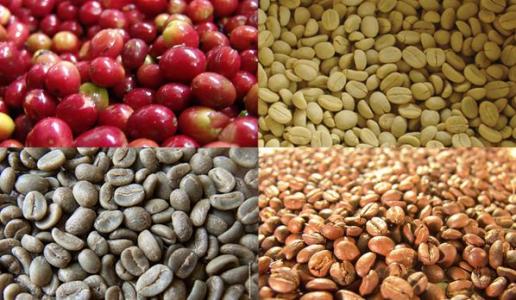
Flavor and taste of Leonardo coffee beans treated with Costa Rican black honey
Once the flavor and taste of Costa Rican black honey treated Leonardo coffee beans are fermented, the coffee with endocarp enters the flushing channel and is washed away by a large amount of water. Clean coffee with endocarp enters the drying process. At this stage, there are various drying methods: direct sun drying, combination of sun drying and machine drying, combination of shade drying and sun drying, and so on.
Basic knowledge of Coffee processing Secrets of Coffee beans
After the fruit is harvested, the outer skin, pulp, endocarp and silver skin should be removed before shipping. There are two kinds of methods: drying (also known as natural or non-washing) and washing. The drying method is relatively simple. First of all, spread the freshly harvested fruit on the exposure field for a week or two until the fruit crackles and dries naturally. After that, the sheller will dry the fruit.

Processing method of high-quality coffee beans coffee refining method
There are a pair of oval seeds in the center of the fruit of the coffee tree, which are covered with exocarp, endocarp and pulp. Ripe fruit will rot in a short period of time without treatment, so the purpose of refining is to enable coffee beans to be preserved for a long time, easy to store and circulate. Figure (1) Coffee fruit Coffee fresh fruit should be dealt with immediately after being harvested. Refining is to remove the peel and pulp of coffee fruit
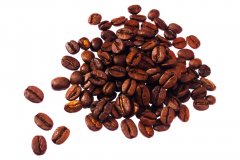
Peruvian coffee boutique coffee American flavor
Boutique coffee has a strict grading system. Generally, raw beans are preserved in parchment coffee beans in the form of endocarp after processing, and the endocarp is removed before export. Go through a strict grading process to ensure the uniformity of quality. And it is very important to preserve the protection in the process of transportation, such as the control of temperature and humidity, the control of ventilation, avoiding odor adsorption and so on.
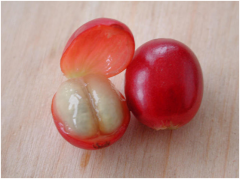
Processing method of high-quality coffee beans coffee refining method
There are a pair of oval seeds in the center of the fruit of the coffee tree, which are covered with exocarp, endocarp and pulp. Ripe fruit will rot in a short period of time without treatment, so the purpose of refining is to enable coffee beans to be preserved for a long time, easy to store and circulate. Figure (1) Coffee fruit Coffee fresh fruit should be dealt with immediately after being harvested. Refining is to remove the peel and pulp of coffee fruit

Coffee beans production process how to make milk foam
After harvest, the skin and flesh must be removed. Coffee beans are made by removing the endocarp and silver peel. There are two methods: drying (natural drying, non-washing) and washing. Drying type, the operation is relatively simple, the harvested fruit spread on the dry site, in the sun for a week or two, turning when you can hear the sound of cluck cluck said dried. and then using a huller to peel the flesh of the dried fruit

Coffee bean washing method introduces which coffee bean varieties are treated by washing method
Washing is currently the most popular method of treatment, most of the fine coffee beans will choose washing method. Washing coffee refining process: harvesting tank (remove impurities and immature beans) pulp remover (remove pulp and impurities) fermentation tank (remove mucosa attached to the endocarp) washing tank (select light and hard beans) solarization field (or dryer) hulling machine (
Chasimayo (Chanchmayo) Peruvian coffee boutique coffee mixed coffee
Boutique coffee has a strict grading system. Generally, raw beans are preserved in parchment coffee beans in the form of endocarp after processing, and the endocarp is removed before export. Go through a strict grading process to ensure the uniformity of quality. And it is very important to preserve the protection in the process of transportation, such as the control of temperature and humidity, the control of ventilation, avoiding odor adsorption and so on.

Introduction to coffee berry treatment methods, grinding degree, quality, taste, fine coffee beans
Introduction to coffee bean treatment 1.2 Water washing is the most popular treatment method at present, and most boutique coffee beans will choose water washing method. Washing coffee refining process: harvesting storage tank (removal of impurities and immature beans) pulp removal machine (removal of pulp and impurities) fermentation tank (removal of mucous membrane attached to endocarp) washing tank (select light and hard beans)
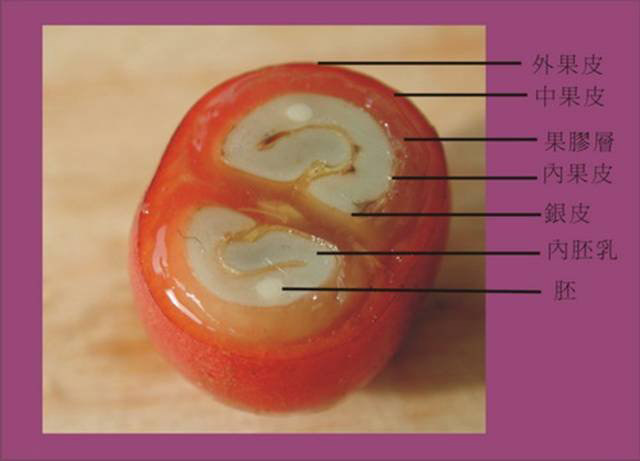
The treatment method of high-quality coffee beans-details of coffee refining method
There are a pair of oval seeds in the center of the fruit of the coffee tree, which are covered with exocarp, endocarp and pulp. Ripe fruit will rot in a short period of time without treatment, so the purpose of refining is to enable coffee beans to be preserved for a long time, easy to store and circulate. Figure (1) Coffee fruit Coffee fresh fruit should be dealt with immediately after being harvested. Refining is to remove the peel and pulp of coffee fruit

How many coffee fruits are processed per season and the planting environment are introduced
A coffee tree produces an average of how many coffee fruits per season and planting environment. Coffee fruits contain two seeds, namely coffee beans. The two beans stand upright facing each other on one side of their plane. Each coffee bean has a thin outer membrane, called the silver skin, which is covered with a yellow outer skin, called the endocarp. Whole coffee beans