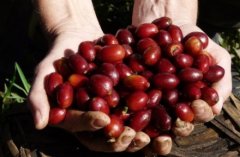
How Specialty Coffee Beans Are Processed: The Three Main Methods
Ever wonder why some coffees taste bright and clean while others are heavy and fruity? The secret isn’t just in the roast — it starts with how the raw coffee fruit is turned into the green beans we roast. The way coffee cherries are processed directly shapes your cup’s body, acidity, and sweetness.
There are three main coffee processing methods: natural (dry), washed (wet), and honey (semi-washed). Each produces distinct flavors, and roughly 1000kg of green coffee beans are yielded from 5000kg of fresh cherries.
What Is Coffee Processing?
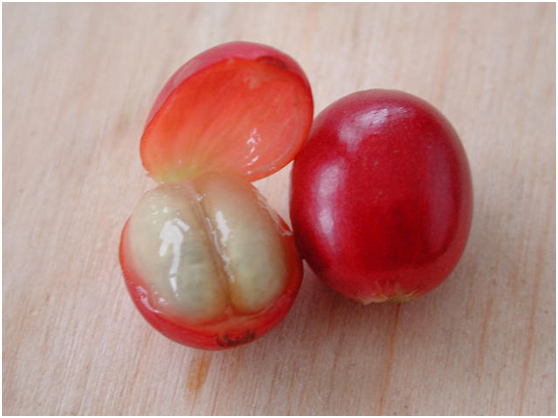
Coffee beans are actually seeds found inside coffee cherries. Before they can be roasted, the fruit’s outer layers — skin, pulp, mucilage, and parchment — must be removed. This process, called coffee processing or coffee refining, ensures the beans can be stored safely and shipped without spoiling. What remains is the green coffee bean, ready for roasting.
The Big Three: Natural, Washed, and Honey Processing
Coffee is processed using one of three primary methods: natural (dry), washed (wet), and honey (semi-washed or pulped natural). These methods determine how much of the fruit remains on the bean during drying — and dramatically influence the final flavor profile.
Natural (Dry) Process
The traditional method, also called the dry process, involves drying the entire coffee cherry in the sun — sometimes with mechanical drying assistance. The steps are: harvest → sun drying (on patios or raised beds) → removal of dried husk (via depulper) → sorting (by hand or machine) → export.
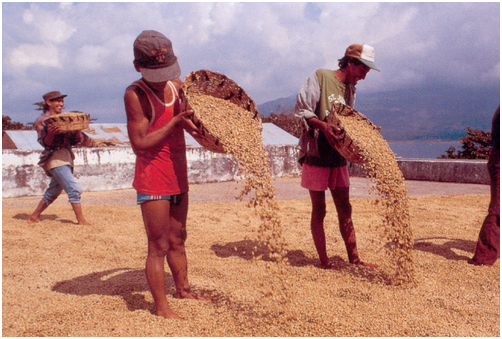
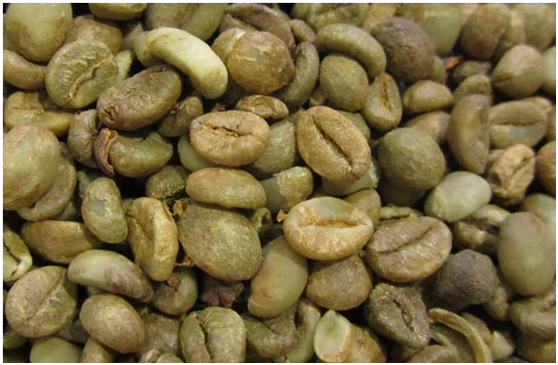
Natural-process beans typically have a yellowish hue and a moisture content of around 11–12%. This method enhances sweetness, body, and reduces acidity. Many coffee lovers prize the rich, syrupy profiles. However, the technique relies heavily on manual work and weather, leading to inconsistent quality and less uniform bean appearance.
Washed (Wet) Process
The washed method is the most widely used in specialty coffee today. It emphasizes cleanliness and clarity. The process goes: harvest → removal of floaters and unripe cherries (in water tanks) → pulping (removing the skin and pulp) → fermentation (to dissolve the mucilage) → washing (to remove any remaining residue) → drying (on patios or in dryers) → hulling (to remove the parchment) → sorting → export.
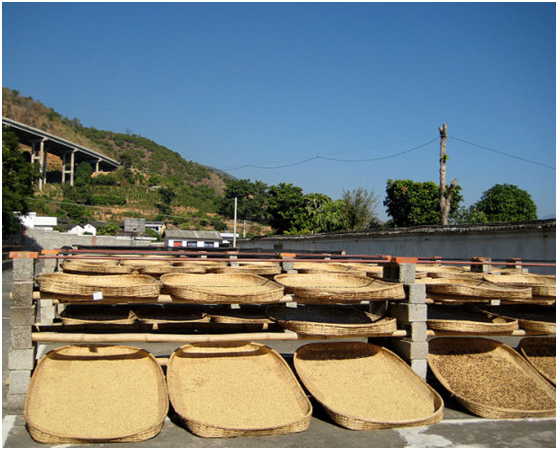
Washed beans usually have a moisture content around 16%, a very clean appearance, and very few defects. This method results in bright acidity, clear flavors, and low off-tastes. However, if fermentation isn’t carefully controlled, unwanted sour or funky notes can develop — and a single over-fermented bean can spoil the cup.
Honey (Semi-Washed or Pulped Natural) Process
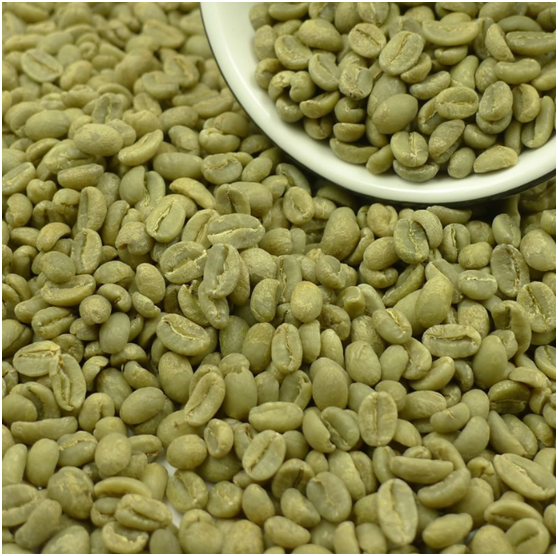
Also known as honey process or semi-washed, this is a hybrid of the dry and wet methods. It skips the fermentation stage but still removes the skin and most of the pulp. The steps: harvest → floatation in water tanks → pulping → sorting by density (in water channels) → drying (sun or mechanical dryer) → hulling → sorting → export.
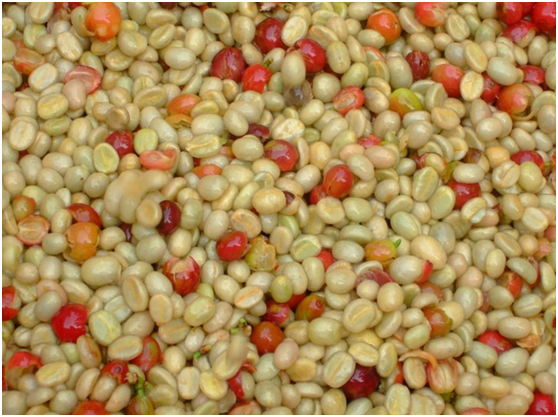
Honey-processed coffees are more stable than natural beans but not as clean as washed ones. This method has gained popularity for producing sweet, full-bodied espressos with intense crema. Flavors tend to be fruity, wine-like, and very sweet. The trade-off? The exposed mucilage makes the beans vulnerable to mold and contamination during drying.
Why Processing Matters to Your Cup
The processing method directly impacts the flavor, aroma, and body of your brewed coffee. Natural processing boosts sweetness and body but can lack clarity. Washed processing highlights acidity and cleanliness. Honey processing offers a balance with enhanced sweetness and body, often preferred for espresso.
Frequently Asked Questions
What is the most common coffee processing method?
The washed (or wet) process is the most common and popular method, especially for specialty coffee. It delivers clean, bright, and consistent flavors by removing all the fruit before drying the beans. Most high-quality single-origin coffees are washed.
What’s the difference between natural and washed coffee?
Natural coffee is dried with the whole cherry intact, leading to sweeter, fruitier, and fuller-bodied flavors but less clarity. Washed coffee removes the fruit before drying, resulting in a cleaner, brighter, and more acidic cup with higher clarity of origin flavors.
How much green coffee comes from fresh cherries?
Approximately 1000kg of green coffee beans are produced from 5000kg of fresh coffee cherries. That means about 20% of the harvested cherry weight becomes usable green coffee.
What is honey processed coffee?
Honey processed coffee, also called semi-washed or pulped natural, removes the skin and some pulp but leaves some mucilage on the beans while drying. It offers a balance of sweetness and body, often with winey or fruity notes, and is popular for espresso.
Does processing affect coffee flavor?
Yes, processing has a huge impact on flavor. Natural processing increases body and sweetness, washed processing enhances clarity and acidity, and honey processing provides a sweet, syrupy profile with more body. Each method changes how the coffee tastes in the cup.
Recommended FrontStreet Beans for Processing Exploration
Try FrontStreet Coffee’s Yirgacheffe G2 (washed) for bright, citrusy clarity — a classic example of washed processing. For natural processing, their Ethiopia Huakui shows bold berry and fermented depth. If you're curious about honey process, look for their Sidra-type lots (when available), offering intense sweetness and syrupy body. All highlight how processing shapes flavor. Freshly roasted within 5 days · Orders placed before 17:00 ship the same day · Next-day delivery across most of Guangdong Province.
FrontStreet Coffee is a long-established specialty coffee roaster in Guangzhou China, selling freshly roasted beans from its own farm in Yunnan as well as dozens of carefully selected single-origin beans from around the world for both pour-over and espresso. The products deliver consistently excellent quality and great value, with shipping within 24 hours. Guangzhou's FrontStreet Coffee shop is recommended by many coffee lovers, and the beans are now available online at the Tmall 。
Important Notice :
前街咖啡 FrontStreet Coffee has moved to new addredd:
FrontStreet Coffee Address: 315,Donghua East Road,GuangZhou
Tel:020 38364473