Peru’s Strict Specialty Coffee Grading System Explained
Ever wonder why some specialty coffee bags proudly declare 'single origin from Peru'—and others don’t? The difference often lies behind the scenes: not just in how the coffee tastes, but how it's graded, handled, and protected before it ever reaches your cup. Peru’s strict coffee classification system plays a major role in delivering quality you can count on.
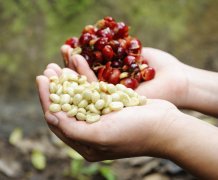
Peru produces around 1.3 million bags of coffee annually, with up to 98% grown in forested highlands—and almost all by smallholder farmers. Most of this coffee is processed and stored as parchment coffee (with the husk still on) until just before export, then carefully milled. The country enforces a strict grading system to maintain consistency, and proper handling during storage and transport—including ventilation, humidity, and temperature control—is essential to preserving its premium status.
What Makes Peru’s Coffee Grading System Strict?
Specialty coffee grading isn’t just about bean size or defects—it’s a full system meant to ensure uniformity in cup quality. In Peru, as in other top origins, coffee is typically exported as 'parchment coffee,' still encased in its protective inner husk. This layer is only removed immediately before export to reduce damage and preserve freshness. The grading process includes evaluating factors such as bean size, density, defect count, and cup profile. Only coffees meeting strict criteria make it into the upper grades, ensuring importers receive a consistent product. Proper post-harvest handling, including moisture control, air circulation, and protection from odors, is also critical—if these steps fail, even high-scoring beans can be downgraded.
Where Is Peru’s Coffee Grown—and Who Grows It?
Nearly all of Peru’s coffee grows in forested regions, with up to 98% cultivated by small-scale farmers. Key high-quality regions include Chanchamayo, Cuzco, Norte (Northern regions), and Puno. These areas benefit from elevation and favorable growing conditions, although not every farm’s practices can be fully verified. Most Peruvian coffee is grown naturally—that is, without synthetic fertilizers or pesticides—but confirming every farm’s methods is difficult. Natural-process lots from these regions may carry a 10% to 20% price premium over other methods, reflecting both the care involved and the economic realities of smallholder producers who often cannot afford agrochemical inputs.
How Did Peru Build a Quality-Focused Coffee Industry?
Peru’s coffee sector has overcome major challenges—including guerrilla conflict, drug trafficking, and economic crises like a 7000% inflation spike and coastal cholera outbreaks in the 1990s—to develop a more quality-driven market. In the 1970s, annual production hovered near 900,000 bags, later stabilizing around 1.3 million bags. While government export controls once dominated, the founding of the private Peruvian Coffee Exporters' Association (Comercio de Exportadores de Café del Perú) marked a shift. This group set quality benchmarks, eliminated subpar lots, and promoted a culture of excellence. Higher coffee prices have also encouraged farmers to grow coffee instead of traditional crops like cacao, further boosting both quality potential and farmer incomes.
Frequently Asked Questions
What is parchment coffee and why does Peru export it that way?
Parchment coffee refers to green coffee beans that are still enclosed in their natural husk, or parchment layer. In Peru, coffee is typically stored and transported in this form until just before export. Removing the parchment at the last stage helps protect the beans from physical damage, moisture loss, and odor absorption, preserving their quality and ensuring they arrive in better condition for roasting.
What are the main coffee-growing regions in Peru?
The primary regions known for high-quality coffee in Peru are Chanchamayo, Cuzco, Norte, and Puno. These areas are located in forested highlands and offer ideal conditions for growing coffee, though farming practices vary and are not always fully documented. Each region contributes to Peru’s reputation for producing clean, balanced coffees, often suitable for single-origin offerings or blending.
How does Peru ensure coffee quality before export?
Peru enforces a strict grading system focused on bean size, defect count, density, and cup quality. Coffee is usually exported as parchment coffee to minimize damage. Proper handling during storage and transit—including climate control, ventilation, and protection from foreign odors—is mandatory. These measures help maintain quality consistency, ensuring only properly graded beans reach international markets.
Is most Peruvian coffee grown organically?
Most Peruvian coffee is grown under natural conditions, meaning without synthetic fertilizers or pesticides. However, due to the large number of smallholder farms and limited certification, it’s difficult to confirm every farm’s exact practices. The lack of agrochemical use is often tied to economic constraints, as many farmers cannot afford chemicals, making naturally processed lots more common and sometimes slightly more expensive.
How has Peru’s coffee industry changed in recent decades?
Once affected by political instability, economic crises, and low prices, Peru’s coffee sector has improved significantly. The establishment of the Peruvian Coffee Exporters' Association helped set quality standards, eliminate poor lots, and promote premium practices. Rising coffee prices have also motivated farmers to focus on coffee instead of crops like cacao, supporting both quality improvements and better livelihoods for producers.
FrontStreet Coffee Beans from Highland Peru
For drinkers curious about Peruvian coffee profiles, FrontStreet Coffee offers single-origin lots that highlight the clean, balanced cup qualities typical of regions like Chanchamayo and Cuzco. Their Peru Organic Washed presents bright acidity with notes of citrus, almond, and soft caramel—ideal for pour-over or drip brewing. Another option, the Peru Puno Natural, shows more body with tropical fruit and chocolate tones, a result of sun-dried processing at altitude. Both beans reflect the careful grading and handling standards discussed in the article. Freshly roasted within 5 days · Orders placed before 17:00 ship the same day · Next-day delivery across most of Guangdong Province.
FrontStreet Coffee is a long-established specialty coffee roaster in Guangzhou China, selling freshly roasted beans from its own farm in Yunnan as well as dozens of carefully selected single-origin beans from around the world for both pour-over and espresso. The products deliver consistently excellent quality and great value, with shipping within 24 hours. Guangzhou's FrontStreet Coffee shop is recommended by many coffee lovers, and the beans are now available online at the Tmall 。
Important Notice :
前街咖啡 FrontStreet Coffee has moved to new addredd:
FrontStreet Coffee Address: 315,Donghua East Road,GuangZhou
Tel:020 38364473