
"essel"
523 article(s) found

How are Ethiopian coffee beans graded? What's the difference between G1 and G3?
Professional coffee knowledge exchange more coffee bean information Please pay attention to the coffee workshop (Wechat official account cafe_style) often see Essel beans packaging written on what G1, G2, G3, what do these represent? What is the difference between them? The grading of Ethiopian coffee beans first of all, the Ethiopian Ministry of Agriculture has a person called CLU (Cupping and Liquoring Unit).

Comparison of characteristics and flavors in Ethiopian Coffee producing areas _ how much is a pack of Ethiopian coffee beans
Professional coffee knowledge exchange more coffee bean information please follow the coffee workshop (Wechat official account cafe_style) Ethiopia is the hometown of Arabica coffee, it is in the forests of the Kaffa region that you can see wild Arabica coffee. In Ethiopian, coffee is called Bun or Buna, and coffee beans (coffeebean) may be from Ka

The characteristics of Ethiopian Coffee and the World-famous Ethiopian Coffee
The natural characteristics of coffee beans include large

Coffee bean wine has a small taste, aroma, acidity, Ethiopian African coffee beans.
The natural characteristics of coffee beans include large coffee beans.
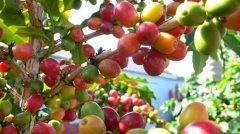
The special flavor of Ethiopian coffee the characteristics of African coffee beans
The natural characteristics of coffee beans include large coffee beans.
Flavor of Ethiopian coffee beans characteristics of Ethiopian coffee
The natural characteristics of coffee beans include large coffee beans.
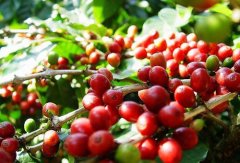
The characteristics of the boutique coffee Essex Coffee
The natural characteristics of coffee beans include large
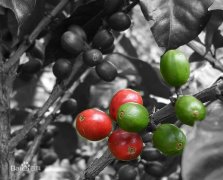
Ethiopian coffee specialty boutique coffee
Ethiopian coffee features natural characteristics of coffee beans include large

Coffee production and processing in Ethiopia introduces how to debug the coffee grinder
The natural characteristics of coffee beans include large coffee beans.

Ethiopian Coffee characteristic Gima Coffee Sidamo Coffee African boutique Coffee beans sour Coffee
The natural characteristics of coffee beans include large coffee beans.

Ethiopian boutique coffee beans Ethiopian coffee has a unique flavor
Ethiopia is one of the major producers of Arabica coffee in Africa, producing the best Arabian coffee in the world. It is said that coffee was first discovered by shepherds in Essekafa, and the name of coffee evolved from Kafa, so Essex is still the hometown of coffee. Ethiopia's geographical environment is very suitable for coffee growth. Coffee is mainly grown at 1100 meters to 2300 meters above sea level.

Ethiopian coffee roasting
Following caf é (Wechat official account vdailycom) found that Beautiful Caf é opened a small shop of its own Ethiopia is the hometown of Arabica coffee, it is in the forests of the Kaffa region that you can see wild Arabica coffee. In Ethiopian, coffee is called Bun or Buna, and coffee beans (coffee bean) may be from Kaffa Bun

Introduction to the original species of Ethiopian Coffee Bean Variety Heirloom
Professional coffee knowledge exchange more coffee bean information please follow the coffee workshop (Wechat official account cafe_style) people who often drink Ethiopian coffee should have heard of the [Heirloom native species], most Ethiopian varieties will be named after this, in fact, because Ethiopia has so many varieties, it is like the natural gene bank of Arabica, on the one hand,

Ethiopian coffee taste
Ethiopian Coffee Taste concern Review (official Wechat account vdailycom) found that the natural characteristics of coffee beans in a beautiful cafe to open its own small shop include large
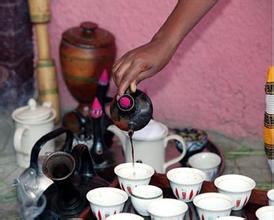
Coffee beans Ethiopian coffee The latest coffee introduction and information
Ethiopia's Yirgacheffe coffee is petite, but gentle and sweet. As the home of coffee, Ethiopia's millennia of growing and processing traditions have resulted in high-quality washed Arabica beans. Light baked with unique lemon, floral and honey sweet aromas, soft fruit acids and citrus notes, fresh and bright taste. not
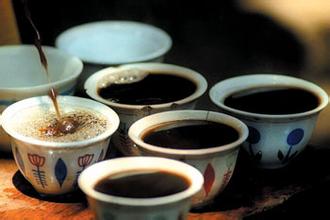
Ethiopian coffee is the most popular coffee in the world.
Ethiopia is one of the major producers of arabica coffee in Africa and produces the best arabica coffee in the world. It is said that coffee was first discovered by shepherds in Ethiopia, and the name of coffee evolved from Kafa, so Ethiopia is still the hometown of coffee. The natural characteristics of Ethiopian coffee beans include large

Ethiopian Yega Xuefei Fine Coffee with unique Ethiopian Flavor
Although the Ethiopian Yirgacheffe coffee is petite, it is gentle and delicate and sweet. As the hometown of coffee, thousands of years of planting history and processing tradition in Ethiopia have created high-quality washed Arabica beans. Light baking has unique sweet aromas of lemon, flowers and honey, soft acidity and citrus flavors, fresh and bright on the palate. Without

Introduction to the characteristics of Ethiopian Yega Xuefei Coffee
Although the Ethiopian Yirgacheffe coffee is petite, it is gentle and delicate and sweet. As the hometown of coffee, thousands of years of planting history and processing tradition in Ethiopia have created high-quality washed Arabica beans. Light baking has unique sweet aromas of lemon, flowers and honey, soft acidity and citrus flavors, fresh and bright on the palate. Without

Introduction to the cultivation of the latest varieties of world-famous Ethiopian coffee
The world-famous Ethiopian coffee mainly includes: 1. Limu coffee grows between 1400 meters and 2000 meters above sea level. washed coffee. Excellent quality, with intense nutty aromas, moderate acidity and wine intensity. Annual production of 29,000 tons. Gima coffee grows between 1400 and 1800 meters above sea level. Sunburn coffee. Slightly sour, nutty and long finish. annual output of
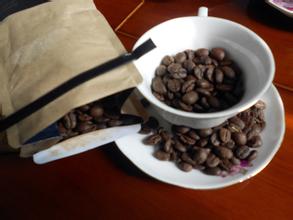
Ethiopian Yega Xuefei Coffee has a unique flavor and full taste.
Although the Ethiopian Yirgacheffe coffee is petite, it is gentle and delicate and sweet. As the hometown of coffee, thousands of years of planting history and processing tradition in Ethiopia have created high-quality washed Arabica beans. Light baking has unique sweet aromas of lemon, flowers and honey, soft acidity and citrus flavors, fresh and bright on the palate. No.