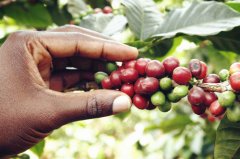
What Makes Ethiopian Coffee So Special?
Ever wondered why Ethiopian coffee tastes so different? Whether it’s the bright acidity of a Yirgacheffe or the deep spice of a Harar, Ethiopian beans have a signature complexity you won’t find anywhere else. These aren’t just regional quirks — they come from elevation, processing, and Ethiopia’s unmatched genetic diversity as coffee’s birthplace. Here’s what sets each apart.
Ethiopian coffee stands out globally due to its unique growing conditions, wide variety of native cultivars, and distinctive processing methods. Key regions like Yirgacheffe, Sidamo, and Harar produce beans with bright acidity, wine-like tones, fruity and floral notes, and rich spices — all shaped by altitude and processing.
What Defines Ethiopian Coffee’s Unique Flavor?
Ethiopian coffee beans are typically small, fragrant, and known for their wine-like acidity. These traits make them highly sought after by specialty coffee drinkers. The country’s genetic diversity, high elevations, and varied processing methods contribute to complex flavors ranging from fruity and floral to spicy and deep. This distinct profile has made Ethiopian beans a favorite not just for brewing, but also for use in desserts, ice creams, and confectionery development.
Top Ethiopian Coffee Origins and Their Profiles
Ethiopia produces several world-renowned coffee origins, each with unique characteristics shaped by altitude and processing:
- Yirgacheffe: Grown at 1,400–2,200m, this region delivers coffee with balanced acidity and a tea-like body, marked by floral and citrus notes. Annual production is around 37,000 tons. (See also: FrontStreet Yirgacheffe beans)
- Washed Yirgacheffe (Liyu / 'Lithopia' / ): At 1,400–2,000m, washed-process Yirgacheffe offers strong nutty aromas, moderate acidity, and a wine-like intensity. Annual yield: 29,000 tons.
- Gedeb : Processed naturally at 1,400–1,800m, this coffee is mildly acidic with nutty tones and a long finish. Produces 70,000 tons per year.
- Gambella : A gourmet-level coffee grown between 1,500–2,300m, featuring fruity aromas and well-balanced acidity. Annual output: 34,000 tons.
- Yirgachefe-type Harenge : Grown 1,500–2,200m, known for its mocha character, floral and spicy scents. Around 28,000 tons annually.
- Sidamo (Sidamo): At 1,400–2,200m, Sidamo beans feature well-rounded acidity and high quality. Annual production: 37,000 tons.
- Harar : Grown above 2,700m, Harar is considered among the best coffees in the world. It has medium acidity, exotic flavors, and notes of dry fruit and spice — a classic pure mocha. Annual yield: 26,000 tons.
How Processing Methods Shape Ethiopian Coffee
Ethiopian coffees are processed both washed and naturally (dry), which dramatically impacts their flavor:
- Washed : In regions like Yirgacheffe and Gedeb, washing highlights clarity, acidity, and floral or citrus characteristics. For example, FrontStreet’s washed Yirgacheffe shows bright lemon tea notes and crisp acidity.
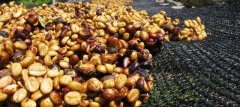
- Natural : Used for Harar and some Sidamo or Yirgacheffe lots, drying the coffee cherry in the sun boosts sweetness, fruitiness, and deeper spice or floral tones. FrontStreet’s Natural Red Cherry and Huakui from Hambela show honey, mango, and complex ferment profiles thanks to this method.
Processing also includes strict selection — such as density sorting and handpicking defective beans — to ensure only the highest quality cup.
Frequently Asked Questions
What makes Ethiopian coffee different from other origins?
Ethiopian coffee is distinct due to its native coffee varieties, high altitudes (often 1,400–2,700m+), and diverse processing methods. These factors create bright acidity, wine-like or fruity notes, and complex aromas not commonly found in coffees from Central or South America and Asia.
Which Ethiopian region produces the most coffee?
Gedeb (historically referred to here as ) produces the most coffee among the regions listed, with an annual output of 70,000 tons. Yirgacheffe follows with 37,000 tons, and Sidamo also produces 37,000 tons annually.
What is the flavor profile of washed Yirgacheffe?
Washed Yirgacheffe features nutty aromas, moderate acidity, and a wine-like intensity. It grows between 1,400–2,000 meters and produces about 29,000 tons per year.
Why is Harar coffee considered so special?
Harar is grown above 2,700m and is known for its medium acidity, exotic flavor, and notes of dry fruit and spice. It’s considered one of the best coffees in the world and is a classic example of pure mocha character.
Does Ethiopia grow both washed and natural process coffees?
Yes. Ethiopian coffee is processed both ways — washed (like Yirgacheffe and Gedeb) for clarity and acidity, and natural (like Harar and some Sidamo) for enhanced fruitiness and sweetness.
Recommended FrontStreet Coffee Beans from Ethiopia
For a true taste of Ethiopia, try FrontStreet’s washed Yirgacheffe — bright with lemony acidity and floral tea notes. Also explore the Natural Red Cherry (Yirgacheffe-style natural) with honey, mango, and fermented depth, and the Ethiopia Huakui from Hambela, a sun-dried classic with complex fruit, spice, and thick body. Freshly roasted within 5 days · Orders placed before 17:00 ship the same day · Next-day delivery across most of Guangdong Province.
FrontStreet Coffee is a long-established specialty coffee roaster in Guangzhou China, selling freshly roasted beans from its own farm in Yunnan as well as dozens of carefully selected single-origin beans from around the world for both pour-over and espresso. The products deliver consistently excellent quality and great value, with shipping within 24 hours. Guangzhou's FrontStreet Coffee shop is recommended by many coffee lovers, and the beans are now available online at the Tmall 。
Important Notice :
前街咖啡 FrontStreet Coffee has moved to new addredd:
FrontStreet Coffee Address: 315,Donghua East Road,GuangZhou
Tel:020 38364473