
"essel"
523 article(s) found

Ethiopian Coffee Boutique Flavor Manor Producing Area Taste Introduction Ethiopian Coffee Brand
1. Limu coffee grows between 1400 meters and 2000 meters above sea level. washed coffee. Excellent quality, with intense nutty aromas, moderate acidity and wine intensity. Annual production of 29,000 tons. Gima coffee grows between 1400 and 1800 meters above sea level. Sunburn coffee. Slightly sour, nutty and long finish. Annual production of 70,000 tons. 3. Gambi Coffee

Ethiopian Coffee Flavor with acidity and texture introduction to the characteristics of Fine Coffee beans in Manor area
Ethiopian people are addicted to coffee. In 2003, domestic consumption accounted for 42.3% of the total output, with a per capita consumption of 3 kg. But more than half of the coffee produced each year is used for export to earn foreign exchange. The main exporters include the United States, Italy, the United Kingdom, Sweden, Norway, Greece, France, Belgium, Germany and Australia. Before 1974, the right to produce, process and trade coffee was controlled by

The relationship between Kenyan coffee and Arabica coffee beans
In Ethiopia, the grading and quality control system of coffee is divided into three levels: producer, regional and national. All coffee is inspected by local inspection agencies before leaving the country of origin, and then re-tested at the coffee inspection and grading centers in Addis and Diredawa to determine its quality grade. Coffee is graded before auction and sale, for all involved in production, acquisition,
The correct drinking method of authentic Manning Coffee introduction to the method of grinding and brewing water temperature of Mantenin hand coffee
The authentic manning coffee refers to the coffee beans of Sumatra, Indonesia. The mantenin coffee beans can be said to be the most famous coffee beans in Asia. The story of the origin of Mantenin coffee is also very interesting. When Japan colonized in Indonesia, he loved Indonesian coffee beans very much. After returning to Japan after the colonization,

Introduction to the Flavor characteristics of Ethiopian Yega Xuefei Coffee
In Ethiopia, the grading and quality control system of coffee is divided into three levels: producer, regional and national. All coffee is inspected by local inspection agencies before leaving the country of origin, and then re-tested at the coffee inspection and grading centers in Addis and Diredawa to determine its quality grade. Coffee is graded before auction and sale, for all involved in production, acquisition,

An introduction to the characteristics of Ethiopian Coffee Flavor Manor
In Ethiopia, the grading and quality control system of coffee is divided into three levels: producer, regional and national. All coffee is inspected by local inspection agencies before leaving the country of origin, and then re-tested at the coffee inspection and grading centers in Addis and Diredawa to determine its quality grade. Coffee is graded before auction and sale, for all involved in production, acquisition,

The Origin of Arabica Coffee beans in Africa an introduction to the Flavor characteristics of boutique Coffee Bean producing areas in Ethiopia
Ethiopia is one of the major producers of Arabica coffee in Africa, producing the best Arabian coffee in the world. It is said that coffee was first discovered by shepherds in Essekafa, and the name of coffee evolved from Kafa, so Essex is still the hometown of coffee. The production and processing of coffee in Ethiopia

Introduction of Ethiopian Coffee Bean varieties in Ethiopian Coffee Flavor Manor
In Ethiopia, the grading and quality control system of coffee is divided into three levels: producer, regional and national. All coffee is inspected by local inspection agencies before leaving the country of origin, and then re-tested at the coffee inspection and grading centers in Addis and Diredawa to determine its quality grade. Coffee is graded before auction and sale, for all involved in production, acquisition,

The long aftertaste of Ethiopian coffee introduces the characteristics of Ethiopian coffee.
In Ethiopia, the grading and quality control system of coffee is divided into three levels: producer, regional and national. All coffee is inspected by local inspection agencies before leaving the country of origin, and then re-tested at the coffee inspection and grading centers in Addis and Diredawa to determine its quality grade. Coffee is graded before auction and sale, for all involved in production, acquisition,

Description of Coffee Taste and Flavor in Sidamo, Ethiopia
Professional coffee knowledge exchange more coffee bean information please follow the coffee workshop (Wechat official account cafe_style) the front street of Sidamo coffee producing area, flavor characteristics from the world coffee origin Ethiopia, grew up in Arabica, Sidamo province. Like coffee in most African countries, Sidamo

Coffee bean purchase experience sharing and good bean recommendation
Recently, I have entered a batch of Ethiopian high-quality beans Nekisse, Tchembe,Amaro,Aricha, we and suppliers with the SCAA standard cup test all reached more than 90 points! These coffees are also one of the most popular Ninety Plus products in the international coffee industry and on the Internet (with the same source of supply). This shows that these products are excellent in nature. However, in the process of restocking, I

Introduction to the characteristics of Ethiopian boutique coffee bean flavor and taste manor with suitable acidity
In Ethiopia, the grading and quality control system of coffee is divided into three levels: producer, regional and national. All coffee is inspected by local inspection agencies before leaving the country of origin, and then re-tested at the coffee inspection and grading centers in Addis and Diredawa to determine its quality grade. Coffee is graded before auction and sale, for all involved in production, acquisition,

Introduction to the unique flavor description and taste characteristics of the Yega Shiffiwaka coffee producing area
In Ethiopia, the grading and quality control system of coffee is divided into three levels: producer, regional and national. All coffee is inspected by local inspection agencies before leaving the country of origin, and then re-tested at the coffee inspection and grading centers in Addis and Diredawa to determine its quality grade. Coffee is graded before auction and sale, for all involved in production, acquisition,

Introduction to Export Information of Coffee planting methods in Ethiopia
Ethiopian coffee can be classified according to the way it is grown and processed. 1. According to the planting mode, coffee can be divided into three types: forest-semi-forest coffee, courtyard coffee and plantation coffee. (1) 60% of the coffee belongs to forest-semi-forest coffee. In such a wild coffee forest, pesticides are not used at all, but biological prescriptions are used.
The export of Ethiopian coffee knows the main producing areas of Ethiopian coffee.
Coffee export coffee is Ethiopia's most important export cash crop and the main source of Ethiopia's foreign exchange earnings. Ethiopia's coffee exports account for about 3% of the world market, making it the eighth largest coffee exporter in the world. Coffee exports increased steadily from 58000 tons in 1990 to 110000 tons in 1995-1996 and remained at this level in the following years. two

Ethiopian Coffee Flavor Flavor Manor introduces Ethiopian Coffee varieties
Washed coffee accounts for 35% of exports. Good quality washed coffee is processed with freshly picked fully ripe fruit, picked carefully and closely monitored by professionals. The picked clean coffee beans are pulped on the day of picking, then fermented, washed, dried and peeled. The humidity of processed coffee beans is kept at about 12%. Sun-cured coffee accounts for 65% of exports. Mainly by
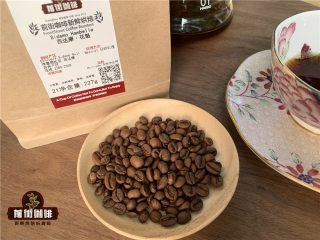
Introduction of Ethiopian coffee, flavor characteristics of Ethiopian Sidamo Sakui coffee
Follow the caf é (official Wechat account vdailycom) and find that Fairview Cafe has opened a small shop of its own with an annual output of 396000 tons per cup of water to wash the delicate floral and sweet fruit aromas of Yirgacheffe; or sun-treated Hildamo (

How about the Ethiopian coffee tomoca brand? Where can I buy tomoca coffee?
Professional coffee knowledge exchange more coffee bean information please follow the coffee workshop (Wechat official account cafe_style) the Ethiopian capital No.1 Espresso Bar TO.MO.CA. Coffee, is an old family-run shop, from 1953 to now, the boss is focused on the rapid development of coffee culture industry, with the local best producing area coffee beans, to create a

How does Ethiopian coffee taste and taste what are the characteristics of Ethiopian coffee beans
Professional coffee knowledge exchange more coffee beans Please pay attention to the coffee workshop (Wechat official account cafe_style) if you are students who like African beans very much, it should be easy to find that beans in Ethiopia are generally of different sizes and have significantly lower evenness than those in Kenya. Whether it's Yega Xuefei or Sidamo, whether it's washing or tanning, sometimes the same batch.

Ethiopian Coffee classroom | the earliest coffee-producing country the story of Ethiopian coffee producing areas
Professional coffee knowledge exchange more coffee bean information please follow the coffee workshop (Wechat official account cafe_style) Starbucks coffee classroom, every month will arrange wonderful coffee tasting courses to share with you, the major Starbucks stores will provide customers with coffee tasting courses from time to time. Starbucks has carefully prepared dozens of coffee classrooms with different themes for Starbucks fans, each issue