
"perennial"
1153 article(s) found

An introduction to the characteristics of Yunnan small-grain Coffee Tippica Coffee Flavor and Taste Manor
Coffee is a kind of beverage crop with high economic value, which is called the three largest beverages in the world together with cocoa and tea, and its output and consumption ranks first among the three beverages. Coffee is rich in protein, fat, sucrose, starch, glucose, caffeine and other substances, rich aroma and delicious taste. Coffee is a perennial evergreen shrub or small tree of the genus Coffea of Rubiaceae.

Introduction to the fragrant Ecuadorian Coffee Flavor and the Fine Coffee in the Manor area
Ecuador is divided into the western coast, the central mountains, the eastern Amazon River basin and the four central regions of the Galapagos Islands, with diverse climatic conditions. The western coastal plain belongs to the tropical rain forest climate, with an average temperature of 23-25 ℃. The central Andes. The intermountain basin in this area belongs to the savanna climate, and the mountain belongs to the subtropical forest climate, with perennial snow above 4000 meters above sea level. Annual average decline

What's the difference between cocoa beans and coffee beans? can coffee trees be planted at home? will they bear fruit?
Professional coffee knowledge exchange more coffee bean information Please follow the coffee workshop (Wechat official account cafe_style) said that drinks are often comparable, coffee and cocoa are people's favorite drinks, but they are foolishly confused about their raw materials coffee beans and cocoa beans, and it is common to get mixed up often. today, the editor is going to teach coffee and cocoa consumers a tutorial on coffee.

A brief introduction to the Origin, Development, History and Culture of Fine Coffee beans in Bolivia Snow vein Manor with rich and unique aroma
Unfortunately, the low production of Tibika and poor disease resistance have led to low coffee production in Bolivia. There are even fewer opportunities to taste Bolivian coffee. So in order to increase coffee production, Bolivia, like other Central American countries, began to experiment with growing Kaddura and Catuai. Kaddura varieties have a large yield.

Introduction of boutique coffee beans in the flavor and taste area of Arusha Coffee Manor in Tanzania
On January 12, 1964, the Sang people overthrew the sultan and founded the Zanzibar people's Republic. Tanganyika and Zanzibar formed a United Republic on April 26, 1964. On October 29 of the same year, the name of the country was changed to the United Republic of Tanzania. Julius Cambara Ginerere was the founding president and was re-elected twice until he resigned voluntarily in 1985. Mwinyi was elected on October 27th of the same year.

A brief talk on understanding coffee beans
1. Summary: coffee is a perennial evergreen shrub or small tree of Rubiaceae. It is native to tropical Africa and has been cultivated for more than 2000 years. The Arabs began to grow coffee in 525 BC, and it was popular for Arabs to stir-fry coffee beans. They began to grow coffee beans on a large scale after the 15th century, and were widely distributed in the tropics and subtropics of Europe, Asia, Africa and Latin America after the 18th century.

The main processing methods of coffee beans there are three kinds of coffee bean processing methods.
Professional coffee knowledge exchange more coffee bean information please follow the coffee workshop (Wechat official account cafe_style) front street-coffee processing methods of coffee processing-COFFEE PROCESSING coffee beans are the fruit of coffee trees, coffee trees belong to the Rubiaceae perennial evergreen shrubs or small trees. The processing of coffee refers to the long and complicated experience from fresh fruit picking to raw beans.

A brief introduction to the flavor and taste characteristics of Ethiopian coffee manor with moderate acidity and alkalinity
Harald Coffee this coffee grows in areas ranging from 900m in the Darolebu plain to 2700 m in the highland mountain range of Chercher in eastern Ethiopia. These mountains do provide unique characteristics for these perennial coffee beans: the fruit is full and long, moderately acidic, and the typical mocha is refreshing.

Which of the top ten traditional famous teas in China tastes better: Longjing, Tieguanyin, Qimen or Pu'er?
1. West Lake Longjing Tea originated in Hangzhou, one of the seven ancient capitals of China. West Lake Longjing Tea, formerly known as the producing area of West Lake Longjing Tea, is located in the natural barrier of unique and mild climate, surrounded by mountains, sufficient rainfall, loose and fertile soil, and perennial plant growth. The best and most expensive Longjing tea is located in Meijiawu, Shifeng, Yuezhou and Giant Buddha in Hangzhou, where Longjing tea is regarded as authentic.

Introduction of Yunnan Coffee Flavor Manor with balanced Taste
Coffee is a kind of beverage crop with high economic value, which is called the three largest beverages in the world together with cocoa and tea, and its output and consumption ranks first among the three beverages. Coffee is rich in protein, fat, sucrose, starch, glucose, caffeine and other substances, rich aroma and delicious taste. Coffee is a perennial evergreen shrub or small tree of the genus Coffea of Rubiaceae.
A brief discussion on the knowledge of Coffee beans Encyclopedia
1. Summary: coffee is a perennial evergreen shrub or small tree of Rubiaceae. It is native to tropical Africa and has been cultivated for more than 2000 years. The Arabs began to grow coffee in 525 BC, and it was popular for Arabs to stir-fry coffee beans. They began to grow coffee beans on a large scale after the 15th century, and were widely distributed in the tropics and subtropics of Europe, Asia, Africa and Latin America after the 18th century.

Introduction of Coffee planting methods introduction of Coffee planting conditions
The first flowering period of the coffee tree is about three years old. the white five-petal tube-shaped flowers are filled with a faint scent of jasmine and the inflorescences are arranged in dense clusters. Flowers wither after two or three days of blooming and begin to bear fruit after a few months. The fruit is a drupe with a diameter of about 1.5 cm, which is green at first, then turns yellow gradually, and turns red after ripening, which is very similar to cherries.

Coffee beans are important raw materials for making beverages
1. Summary: coffee is a perennial evergreen shrub or small tree of Rubiaceae. It is native to tropical Africa and has been cultivated for more than 2000 years. The Arabs began to grow coffee in 525 BC, and it was popular for Arabs to stir-fry coffee beans. They began to grow coffee beans on a large scale after the 15th century, and were widely distributed in the tropics and subtropics of Europe, Asia, Africa and Latin America after the 18th century.

A brief introduction to the description of taste and aroma characteristics of Bolivian boutique coffee beans with balanced taste
The goal of planting coffee in the whole Takesi manor is 200ha, but only 13ha is planted and harvested very little Typica species, and the annual yield is only 120bags. This is not only fine agriculture, but also a farming model that respects nature. Takesi is the name of the local natives, the place name and the snow water from the mountains, also known as Takesi. After the publication of the 2009 CoE final, Takesi is no longer without.

Introduction to the characteristics of coffee flavor and taste varieties in Xuemai Manor with rich and balanced taste
The quality of Bolivian coffee in the early days of China Coffee Network was low, and the market situation was very poor. Usually the picked coffee fruit is bumped all the way to the processing plant after a simple peeling treatment. Due to the imperfect infrastructure, the traffic is underdeveloped. Coffee farmers have to overcome the rugged mountain road and transport the beans to the higher altitude area of La Paz for washing. If the coffee fruit can't reach
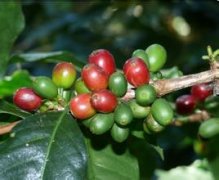
A brief talk on the basic knowledge of Fine Coffee with Coffee beans
1. Summary: coffee is a perennial evergreen shrub or small tree of Rubiaceae. It is native to tropical Africa and has been cultivated for more than 2000 years. The Arabs began to grow coffee in 525 BC, and it was popular for Arabs to stir-fry coffee beans. They began to grow coffee beans on a large scale after the 15th century, and were widely distributed in the tropics and subtropics of Europe, Asia, Africa and Latin America after the 18th century.

How to grow coffee trees Which countries are most suitable for growing coffee Coffee growing conditions Introduction
Coffee trees bloom for the first time about three years old, white five-petaled tubular flowers, with a faint jasmine fragrance, dense inflorescences arranged in clusters. Flowers wither two or three days after flowering and begin to bear fruit a few months later. The fruit is a stone fruit, about 1.5 cm in diameter, initially green, then gradually yellow, mature into red, and cherry is very similar, because

Fruit aroma of Ecuadorian Coffee Manor flavor and taste characteristics of boutique coffee beans
Ecuador is divided into the western coast, the central mountains, the eastern Amazon River basin and the four central regions of the Galapagos Islands, with diverse climatic conditions. The western coastal plain belongs to the tropical rain forest climate, with an average temperature of 23-25 ℃. The central Andes. The intermountain basin in this area belongs to the savanna climate, and the mountain belongs to the subtropical forest climate, with perennial snow above 4000 meters above sea level. Annual average decline

Introduction to the fragrant coffee flavor and taste of the coffee in Hassanda Coffee Garden in Ecuador
Ecuador is divided into the western coast, the central mountains, the eastern Amazon River basin and the four central regions of the Galapagos Islands, with diverse climatic conditions. The western coastal plain belongs to the tropical rain forest climate, with an average temperature of 23-25 ℃. The central Andes. The intermountain basin in this area belongs to the savanna climate, and the mountain belongs to the subtropical forest climate, with perennial snow above 4000 meters above sea level. Annual average decline

What kind of culture does coffee belong to | A brief analysis of the influence of coffee history and culture
Professional coffee knowledge exchange more information about coffee beans Please follow the coffee workshop (Wechat official account cafe_style) [coffee] the word "coffee" comes from the Greek Kaweh, meaning strength and enthusiasm. Coffee trees belong to perennial evergreen shrubs or small trees of Rubiaceae, and coffee beans refer to the nuts in the fruit of coffee trees, which are roasted by proper baking methods. A standard cup of coffee