
"reactions"
3783 article(s) found

Caffeine can aggravate some adverse reactions of premenstrual syndrome
Many women will have a series of symptoms such as irritability, mental tension and breast pain before menstruation, which is called premenstrual syndrome. Caffeine can aggravate some adverse reactions of premenstrual syndrome, so women with premenstrual syndrome had better reduce their caffeine intake, the German Obstetrics and Gynecology Association said a few days ago. The German Association of Obstetrics and Gynecology points out that one in four to five women suffers from premenstruation.

Why do coffee beans turn brown after roasting? Why is there an aroma?
Coffee beans are light green and turn brown when roasted. This baking characteristic brown mainly comes from the brown pigment produced by oligosaccharins, amino acids and chlorogenic acids. The so-called brown pigment does not refer to a color or ingredient, but a general term for the many ingredients that make coffee different colors. Raw beans gradually change color during baking because of the total amount of brown pigment

Roasting Reaction Change--Coffee Roasting Caramelization
Professional barista communication, please pay attention to coffee workshop (Weixin Official Accounts cafe_style) coffee green beans do not contain the special aroma of coffee, so they are not eaten directly, but must be roasted before producing a large amount of volatile aroma substances. After roasting, the main volatile aroma components of coffee beans were analyzed and confirmed to have at least 660 kinds, which was the most important volatile aroma component in all foods and beverages.
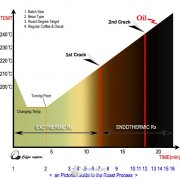
Roasting technology of boutique coffee reactions and changes in the roasting process of coffee
Coffee roasting (coffee roasting) means that through heating raw beans, starch in raw beans is converted into sugars and acids at high temperature, substances such as cellulose will be carbonized to varying degrees, water and carbon dioxide will be volatilized, proteins will be converted into enzymes and fats, and the remaining substances will be combined to form an oil film on the surface of coffee beans, and in the process coffee acids will be formed.

Water content during coffee roasting-Starbucks Italian roasted coffee beans
Water content during coffee roasting-Starbucks Italian roasted coffee beans with the rapid heating up of coffee beans during roasting, the water begins to escape from the bean surface and evaporate. The escape rate depends on temperature, bean quantity, bean density and air circulation, while the standard rate of a normal roaster is 5-7 minutes when the water content of coffee beans is reduced from 11% to 2%. Coffee at the beginning of roasting
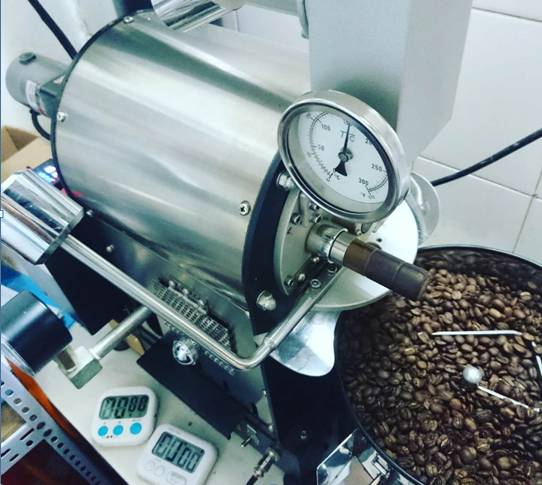
Professional coffee roasting| Double Bake, Light Bake, Nordic Bake
Professional barista communication, please pay attention to coffee workshop (Weixin Official Accounts cafe_style) roasting of green coffee beans, which is a very technical work. In the process of ripening from raw to ripe, green beans gradually lose moisture, swell, gradually brown color, Maillard reaction, caramelization reaction and other series of changes, so as to better display the original regional flavor of coffee. Caramel reaction [coffee
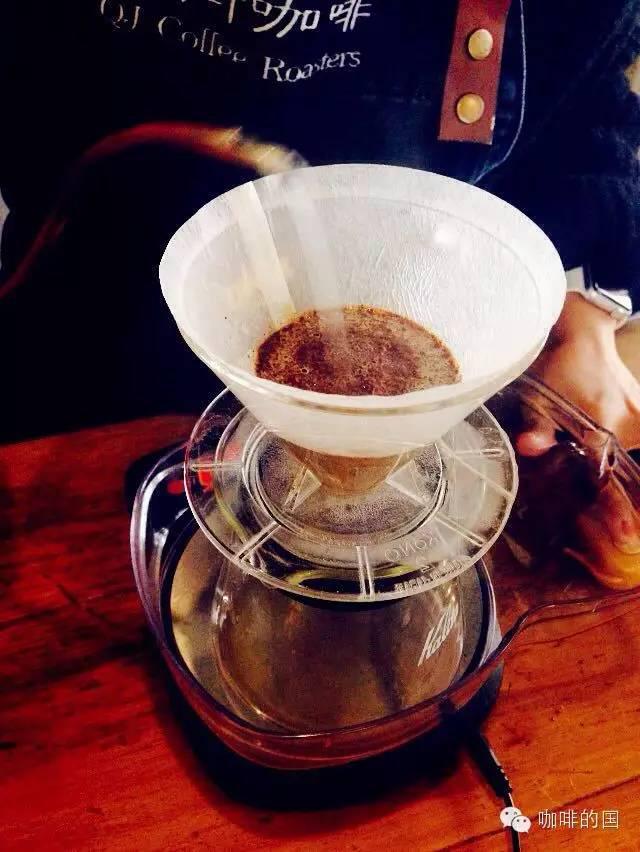
Changes in the roasting of coffee beans: why do coffee beans turn brown after baking? Why is there an aroma?
Coffee color change factors: coffee beans are light green, roasted will turn brown. This baking characteristic brown mainly comes from the brown pigment produced by oligosaccharins, amino acids and chlorogenic acids. The so-called brown pigment does not refer to a color or ingredient, but a general term for the many ingredients that make coffee different colors. Raw beans will gradually change color during baking.

What happens during coffee roasting? coffee bean roasting temperature and time coffee roasting taste
Professional coffee knowledge exchange more coffee bean information please follow the coffee workshop (Wechat official account cafe_style) roasting coffee converts the chemical and physical properties of raw coffee beans into roasted coffee products. The roasting process causes raw beans to expand and change their color, taste, smell and density, resulting in the special flavor of coffee. Unbaked coffee beans and roasted coffee beans contain
Coffee roasting light, medium, deep coffee beans, which you can drink the difference?
Professional coffee knowledge exchange more coffee bean information please follow the coffee workshop (Wechat official account cafe_style)

Chemical reaction and temperature during coffee roasting changes of reactive substances in coffee roasting process
Professional coffee knowledge exchange more coffee bean information please follow the coffee workshop (Wechat official account cafe_style) professional coffee roasting | coffee roasting is too complicated? A picture teaches you how the baking process reacts to the chemical composition of the baking. Sucrose: melting point 187.8 ℃-sugar? Complex = caramelization-water CO2 escapes to produce an explosive First Crack phenomenon. I'm in the roaster.

How to understand Coffee Baking Curve introduction to Starbucks Coffee Baking Curve
Coffee roasting curve with the rapid heating of coffee beans in the roasting process, water begins to escape from the bean surface and evaporate. The escape rate depends on temperature, bean quantity, bean density and air circulation, while the standard rate of a normal roaster is 5-7 minutes when the water content of coffee beans is reduced from 11% to 2%. Coffee beans at the initial stage of roasting sometimes turn a little white or milky white, and then
Where does the coffee aroma come from? How does coffee taste sweet and sour?
Roasting is one of the most attractive aspects of the coffee industry. Green coffee beans have almost no flavor at all, taste will have a rather unpleasant vegetable flavor, but after roasting, it will transform into an incredibly aromatic and complex coffee beans. The smell of freshly roasted coffee beans is refreshing and delicious. Fast or slow? Shallow or deep? jianyan
The Chemical reaction of Fine Coffee Technology in Baking
Coffee has a rich, wide range of flavors. Coffee produced in different regions, different elevations, different climates and different producing areas has its own unique characteristics. Raw beans are fragrant and have no usual coffee taste at all; the taste of coffee comes from proper roasting. Show fruity (light roasting) or caramel sweetness (deep roasting). The lighter the baking, the more sour it tastes. Baking.
How do you analyze coffee's chemical composition to predict flavor, aroma and quality?
Professional coffee knowledge exchange More coffee bean information Please pay attention to the coffee workshop (Weixin Official Accounts cafe_style) There are many factors that affect the flavor of coffee: variety, roasting degree, brewing formula, processing method, etc., but when you look deeper, you will find that flavor depends on only one thing: the composition of compounds. Coffee roasting method, coffee variety, species

[photo] what details do you need to pay attention to to make coffee sweet? Roasting degree and characteristics of coffee beans
Last lesson we learned about the effect of development on coffee flavor during coffee roasting. The longer the development, the deeper the roasting of the coffee will be. In this class, we are going to explore how the relay period plays a role in coffee throughout the roasting process. Review what is the relay period, the period from the yellow point to the beginning of the explosion, during which time, coffee

[coffee roasting] Fire throttle control of roaster (4) | Coffee workshop
Communication of professional baristas Please follow the coffee workshop (official Wechat account cafe_style) when dehydration goes through to the change of raw beans to yellow, indicating that a series of chemical reactions such as Maillard reaction, which are crucial to the production and transformation of coffee flavor substances, begin to take place actively. However, at this time, it is not said that the dehydration of raw beans stops, but the baking process begins to change by mainly removing the moisture of raw beans.
How to get sweetness in coffee Maillard reaction of roasted coffee beans strawberry sweet flavor coffee
That's part of the reason why it's so important that pickers are well trained and paid. Only ripe cherries.
Why coffee beans are roasted? the difference between shallow roasting and deep roasting Yega Chuefei coffee beans
Professional coffee knowledge exchange more coffee bean information please follow the coffee workshop (Wechat official account cafe_style) before the third wave of boutique coffee, that is, in the 1970s and 1990s, there was no boutique coffee, that is, commercial coffee beans were mainly commercial coffee beans. If commercial coffee beans are roasted lightly or moderately, it is easy to drink the defective flavor and unclean taste of coffee.

What is the fragrance of coffee beans? why the aroma of coffee beans comes from inexplicable chemical reactions.
Professional coffee knowledge exchange more coffee bean information please follow the coffee workshop (Wechat official account cafe_style) front street-coffee aroma source introduction aroma, flavor, aftertaste, acidity and alcohol thickness these five attributes are collided by different compounds. On the cup table, we use our senses to analyze the taste and aroma, which are also caused by chemical compounds. Let's smell dried incense first.
"Coffee roaster companion" the chemical substances of raw beans the structure and changes of coffee beans
Chapter 2: chemical substances of raw beans author: Scott Rao translator: Huaxia coffee raw beans are strong and green seeds, 50% of which are different forms of carbohydrates, and the other 50% are composed of water, proteins, lipids, acids, and various biological bases. Coffee roasters can bake good coffee without knowing the many chemicals in raw beans, but