
"slaves"
938 article(s) found

El Salvador coffee grinding degree taste characteristics Fine Coffee Flavor description Fine Coffee introduction
The ancient city of El Salvador was one of the main centers of the slave trade in Africa during the colonial period. In 1558, the first African slaves arrived here and engaged in sugar cane cultivation. Until the middle of the eighteenth century, the port of El Salvador became the main trading center of Portugal; it was located on the triangular trade route between Africa, Brazil and Europe. Many European immigrants settled in

Description of bitter and sweet flavor of Jamaican coffee beans introduction to the method of regional treatment of varieties produced by grinding scale
The earliest coffee on the island of Jamaica came from Haiti in Latin America in 1728. By 1790, some coffee farmers among the refugees in exile from Haiti had settled in the Blue Mountains and brought coffee-growing technology here. In 1838, Jamaica abolished slavery and allowed liberated slaves to cultivate their own land. Free slaves moved to the mountains to specialize in planting.

Fragrant Jamaican Coffee Flavor introduction to Cliff Manor Jamaican Coffee
The earliest coffee on the island of Jamaica came from Haiti in Latin America in 1728. By 1790, some coffee farmers among the refugees in exile from Haiti had settled in the Blue Mountains and brought coffee-growing technology here. In 1838, Jamaica abolished slavery and allowed liberated slaves to cultivate their own land. Free slaves moved to the mountains to specialize in planting.
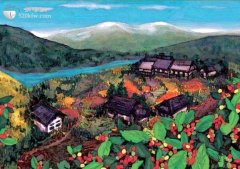
Coffee producing area Sudan
Two decades of disastrous civil war in southern Sudan has claimed millions of lives and caused untold damage to rural areas, including the coffee industry.

Start with coffee beans (37)-Africa-Sudan
The civil war almost destroyed coffee production. Two decades of disastrous civil war in southern Sudan has claimed millions of lives and caused untold damage to rural areas, including the coffee industry. Robusta coffee is now grown in the south as in the past, while Arabica coffee, which used to be wild, is grown in the north and east of the country. In history
Coffee producing area-Sudan
The civil war almost destroyed coffee production.
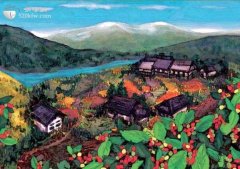
Sudan, the producer of fine coffee in the world.
The civil war almost destroyed coffee production. Two decades of disastrous civil war in southern Sudan has claimed millions of lives and caused untold damage to rural areas, including the coffee industry. Robbins coffee is now grown in the south as in the past, while Arabica coffee, which used to be wild, is grown in the north and east of the country. In history
Coffee beans African Sultan
The civil war almost destroyed coffee production. Two decades of disastrous civil war in southern Sudan has claimed millions of lives and caused untold damage to rural areas, including the coffee industry. Robusta coffee is now grown in the south as in the past, while Arabica coffee, which used to be wild, is grown in the north and east of the country. In history
World Coffee producer Sudan Sudan
The civil war almost destroyed coffee production. Two decades of disastrous civil war in southern Sudan has claimed millions of lives and caused untold damage to rural areas, including the coffee industry. Robbins coffee is now grown in the south as in the past, while Arabica coffee, which used to be wild, is grown in the north and east of the country. In history
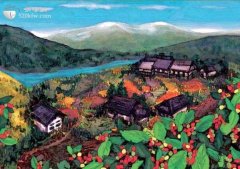
Coffee knowledge coffee producing area Sudan
The civil war almost destroyed coffee production. Two decades of disastrous civil war in southern Sudan has claimed millions of lives and caused untold damage to rural areas, including the coffee industry. Robbins coffee is now grown in the south as in the past, while Arabica coffee, which used to be wild, is grown in the north and east of the country. In history
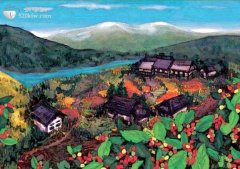
The civil war in Sudan almost destroyed coffee production in the world.
The civil war almost destroyed coffee production. Two decades of disastrous civil war in southern Sudan has claimed millions of lives and caused untold damage to rural areas, including the coffee industry. Robbins coffee is now grown in the south as in the past, while Arabica coffee, which used to be wild, is grown in the north and east of the country. In history
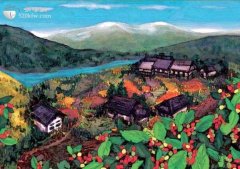
The civil war in Sudan almost destroyed coffee production in the world.
The civil war almost destroyed coffee production. Two decades of disastrous civil war in southern Sudan has claimed millions of lives and caused untold damage to rural areas, including the coffee industry. Robbins coffee is now grown in the south as in the past, while Arabica coffee, which used to be wild, is grown in the north and east of the country. In history
Coffee production Coffee introduction to Sudan Coffee
The civil war almost destroyed coffee production. Two decades of disastrous civil war in southern Sudan has claimed millions of lives and caused untold damage to rural areas, including the coffee industry. Robbins coffee is now grown in the south as in the past, while Arabica coffee, which used to be wild, is grown in the north and east of the country. In history
The civil war almost destroyed the coffee production of Sudan.
The civil war almost destroyed coffee production. Two decades of disastrous civil war in southern Sudan has claimed millions of lives and caused untold damage to rural areas, including the coffee industry. Robbins coffee is now grown in the south as in the past, while Arabica coffee, which used to be wild, is grown in the north and east of the country. In history
The civil war almost destroyed coffee production in Sudan.
The civil war almost destroyed coffee production. Two decades of disastrous civil war in southern Sudan has claimed millions of lives and caused untold damage to rural areas, including the coffee industry. Robbins coffee is now grown in the south as in the past, while Arabica coffee, which used to be wild, is grown in the north and east of the country. In history
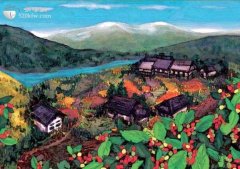
Coffee beans knowledge Coffee origin Sudan
The civil war almost destroyed coffee production. Sudan's on-off, disastrous 20-year civil war has claimed millions of lives and caused unspeakable damage to rural areas, including the coffee industry. Robett coffee is now grown in the south as it used to be, while Arabica coffee, which was originally wild, is grown in the north and east of the country. Historically,

Only a very small amount of Sudanese coffee is exported.
The civil war almost destroyed coffee production. Two decades of disastrous civil war in southern Sudan has claimed millions of lives and caused untold damage to rural areas, including the coffee industry. Robbins coffee is now grown in the south as in the past, while Arabica coffee, which used to be wild, is grown in the north and east of the country. In history
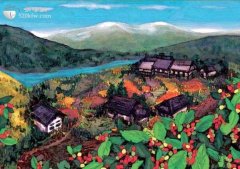
Coffee production was almost destroyed by the civil war in Sudan.
The civil war almost destroyed coffee production. Two decades of disastrous civil war in southern Sudan has claimed millions of lives and caused untold damage to rural areas, including the coffee industry. Robbins coffee is now grown in the south as in the past, while Arabica coffee, which used to be wild, is grown in the north and east of the country. In history
Where can I produce coffee in Sudan? What is the best coffee? What kind of coffee?
The civil war almost destroyed coffee production. Two decades of disastrous civil war in southern Sudan has claimed millions of lives and caused untold damage to rural areas, including the coffee industry. Robbins coffee is now grown in the south as in the past, while Arabica coffee, which used to be wild, is grown in the north and east of the country. In history
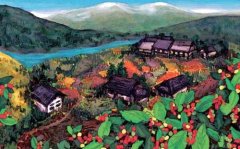
Introduction to the origin of coffee-- the uniqueness of Sudanese boutique coffee the taste of Sudanese coffee
The civil war almost destroyed coffee production. Two decades of disastrous civil war in southern Sudan has claimed millions of lives and caused untold damage to rural areas, including the coffee industry. Robbins coffee is now grown in the south as in the past, while Arabica coffee, which used to be wild, is grown in the north and east of the country. In history