
"transfer"
3968 article(s) found

Baristas must see the simple functional description of the various parts of the Italian coffee machine.
Boiler: at present, the popular coffee machine boiler is mainly made of copper and stainless steel, but some manufacturers also use copper alloy and copper plating. The main characteristics of copper boilers are good extensibility (good elasticity when frequent alternation of hot and cold water) and fast heat transfer speed. It was widely used in early wineries, such as some spirits distillation equipment. Figure 1.JPG (17.8

The first coffee shop opened in Penghu, Taiwan is 60 years old.
The glass window in front of the ▲ Since 1957 Barry Garden tells you directly how old it is. (photo / reporter Deng Zhijie) large, medium and small Starbucks Penghu stores set an amazing turnover record on their first day of opening, although its surrounding products are the main source of high turnover. However, it is an indisputable fact that Starbucks Coffee, a brand from the United States, is deeply rooted in the hearts of the people. According to the data

Introduction to the Grinding scale of Coffee Variety treatment in Saint-Roman Manor, Costa Rica
Costa Rica's coffee industry, originally controlled by the Costa Rican Coffee Industry Company (InstitutodelCafdeCostaRica, ICAFE), has been taken over by the official Coffee Committee (OficinadelCaf). Among the exported coffee, those products that are considered to be of substandard quality are colored with blue vegetable dyes and then transferred back to China for sale. Coffee consumed at home

The basic chemical reaction of coffee roasting process
Many thermal and chemical reactions take place during baking: decarbonation, dehydration of quinic acid, subdivision, isomerization, polymerization, and complex sugar reactions (caramelization). The main components of the thermal reaction are monosaccharides and sucrose, chlorogenic acid, free amino acids, and fenugreek amide. Both aravinose and calactose in the polysaccharides are transferred, and the basic vulcanization contains hydroxylated amino acid.

Introduction of Rosa Coffee, what is the price of Rosa Coffee?
Follow the caf é (Wechat official account vdailycom) and found that the beautiful cafe opened a small shop of its own. The rose variety originated from the inaccessible Mount Rosa in southern Ethiopia. The seeds of coffee were taken from Mount Rosa in 1931 and transplanted to Kenya in 1932. They were transferred to Tanzania in 1936 and Costa Rica in 1953. After that, Panama was transplanted around
The basic chemical reaction that takes place during coffee roasting.
Many thermal and chemical reactions take place during baking: decarbonation, dehydration of quinic acid, subdivision, isomerization, polymerization, and complex sugar reactions (caramelization). The main components of the thermal reaction are monosaccharides and sucrose, chlorogenic acid, free amino acids, and fenugreek amide. Both aravinose and calactose in the polysaccharides are transferred, and the basic vulcanization process includes hydroxylamine.

The basic chemical reactions that take place during coffee roasting
Many thermal and chemical reactions take place during baking: decarbonation, dehydration of quinic acid, subdivision, isomerization, polymerization, and complex sugar reactions (caramelization). The main components of the thermal reaction are monosaccharides and sucrose, chlorogenic acid, free amino acids, and fenugreek amide. Both aravinose and calactose in the polysaccharides are transferred, and the basic vulcanization process includes hydroxylamine.

Basic chemical reactions of coffee beans during coffee roasting
Many thermal and chemical reactions take place during baking: decarbonation, dehydration of quinic acid, subdivision, isomerization, polymerization, and complex sugar reactions (caramelization). The main components of the thermal reaction are monosaccharides and sucrose, chlorogenic acid, free amino acids, and fenugreek amide. Both aravinose and calactose in the polysaccharides are transferred, and the basic vulcanization process includes hydroxylamine.

The basic chemical reactions that take place during coffee roasting
Many thermal and chemical reactions take place during baking: decarbonation, dehydration of quinic acid, subdivision, isomerization, polymerization, and complex sugar reactions (caramelization). The main components of the thermal reaction are monosaccharides and sucrose, chlorogenic acid, free amino acids, and fenugreek amide. Both aravinose and calactose in the polysaccharides are transferred, and the basic vulcanization process includes hydroxylamine.

The basic chemical reactions that take place during coffee roasting.
Many thermal and chemical reactions take place during baking: decarbonation, dehydration of quinic acid, subdivision, isomerization, polymerization, and complex sugar reactions (caramelization). The main components of the thermal reaction are monosaccharides and sucrose, chlorogenic acid, free amino acids, and fenugreek amide. Both aravinose and calactose in the polysaccharides are transferred, and the basic vulcanization process includes hydroxylamine.

Introduction to the characteristics of the Flavor Flavor Manor of Yegashafia, Ethiopia
Yega Xuefei's coffee trees were planted by monks in Europe and later transferred to farmers or cooperatives. Yirgacheffe Coffee is actually constructed by surrounding coffee communities or cooperatives, including Hafusha, Hama, and Biloya, Ethiopia's Yegashafi Coffee, though petite, but gentle and sweet. As the hometown of coffee, ai

The simple function of each part of the coffee machine explains the general knowledge of the coffee machine.
Boiler: at present, the popular coffee machine boiler is mainly made of copper and stainless steel, but some manufacturers also use copper alloy and copper plating. The main characteristics of copper boilers are good extensibility (good elasticity when frequent alternation of hot and cold water) and fast heat transfer speed. It was widely used in early wineries, such as some spirits distillation equipment. Figure 1.JPG (17.8
The basic chemical reaction of coffee technology in the process of coffee roasting
Many thermal and chemical reactions take place during baking: decarbonation, dehydration of quinic acid, subdivision, isomerization, polymerization, and complex sugar reactions (caramelization). The main components of the thermal reaction are monosaccharides and sucrose, chlorogenic acid, free amino acids, and fenugreek amide. Both aravinose and calactose in the polysaccharides are transferred, and the basic vulcanization process includes hydroxylamine.

Introduction to the method of describing the Flavor of Sunshine Yerba Coffee and the degree of Grinding
Yejassefi's coffee trees were planted by European monks (a bit like Belgian monks growing wheat to brew beer) and were later transferred to farmers or cooperatives. Yejia Xuefei is actually constructed by surrounding coffee communities or cooperatives, including Edido Idido, Hafusa Harfusa, Hama Hama, Biloya, near Fog Valley Misty valley, all washed with water, but also

What's the difference between Arabica coffee and Roberta coffee?
Arabica coffee (transferred from www.molinarichina.com) Arabica coffee (Coffee.Arabica): Arabica coffee, also known as Arabica coffee, its taxonomic position was determined by Linnaeus in 1753. It can produce Arabica coffee (C.Arabica) beans, which can be called high-quality coffee beans in the world and the only coffee that can be drunk without any ingredients. Allah
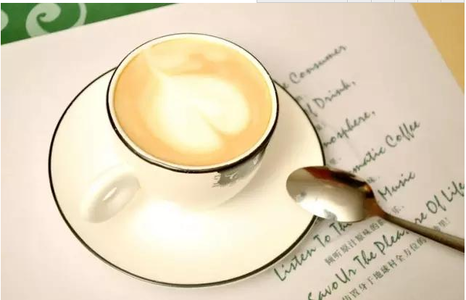
Introduction to the taste characteristics of Yejiaxuefei coffee beans, flavor description and grinding degree of varieties
Yejassefi's coffee trees were planted by European monks (a bit like Belgian monks growing wheat to brew beer) and were later transferred to farmers or cooperatives. Yejia Xuefei is actually constructed by surrounding coffee communities or cooperatives, including Edido Idido, Hafusa Harfusa, Hama Hama, Biloya, near Fog Valley Misty valley, all washed with water, but also

Ideas can be used in this way! 3D printing cross-border play to create customized face coffee
The latest 3D printing technology is also used in coffee flowers. As long as you take a picture with a tablet and transfer it to a special machine, you can have a unique customized photo coffee. The pattern printed on the foam is exactly the same as the photo, and you can make a special coffee flower without long manual practice. 3D printing creativity cross-border to create a customized face coffee ID-881

Flavor description of G1 Coffee beans in Yega Ficher Manor introduction of varieties in taste producing areas
Description of the flavor of G1 coffee beans in Yega Ficher Manor varieties of varieties in the region introduced that the coffee trees of Yega Xuefei were planted by monastic academics in Europe and later transferred to farmers or cooperatives. Yega Xuefei is actually constructed by the surrounding coffee communities or cooperatives, including: Hafusha, Hama, Biloya. These mountain villages are foggy, like spring and summer all year round.

Introduction of Yega Xuefei G2 Coffee Bean Flavor description method
Yega Xuefei G2 Flavor description of Coffee Bean Flavor Grinding scale introduces that Yega Xuefei's coffee trees were planted by monks in Europe (a bit like Belgian monks growing wheat to brew beer), and later transferred to farmers or co-operatives. Yega Xuefei is actually constructed by surrounding coffee communities or cooperatives, including Edido Idido near Fog Valley Misty valley.

Characteristics of Yega Chuefei Coffee Bean Flavor characteristics of Ediot Coffee Variety treatment in Yega Xuefei producing area
The characteristic Flavor and Taste of Yirgacheffe Coffee Coffee from Ethiopia although it is petite, it is gentle and delicate, sweet and lovely. As the hometown of coffee, thousands of years of planting history and processing tradition in Ethiopia have created high-quality washed Arabica beans. Light baking has unique lemon, floral and honey flavors.