
"trigonelline"
179 article(s) found

Detailed analysis of the ingredients of coffee beans general knowledge of fine coffee
Moisture: the water content of coffee beans varies greatly with different processing stages and products. The moisture content of wet coffee beans with film is about 50%, while that of dried raw coffee beans is about 10%-13%. The water content of roasted coffee beans is only less than 5%. The existence of water in coffee beans is the same as other kinds of food and beverages, because it contains a considerable amount of hydration colloid macromolecules.

Detailed analysis of carbohydrates in coffee beans
★ moisture: the water content of coffee beans varies greatly with different processing stages and products. The moisture content of wet coffee beans with film is about 50%, while that of dried raw coffee beans is about 10%-13%, and that of roasted coffee beans is only less than 5%. The existence of water in coffee beans is the same as other kinds of food and beverages, because it contains a considerable amount of hydration colloid macromolecules.

Detailed Analysis of the components of Fine Coffee
★ moisture: the water content of coffee beans varies greatly with different processing stages and products. The moisture content of wet coffee beans with film is about 50%, while that of dried raw coffee beans is about 10%-13%, and that of roasted coffee beans is only less than 5%. The existence of water in coffee beans is the same as other kinds of food and beverages, because it contains a considerable amount of hydration colloid macromolecules.
Detailed Analysis of the components of Fine Coffee Bean
★ moisture: the water content of coffee beans varies greatly with different processing stages and products. The moisture content of wet coffee beans with film is about 50%, while that of dried raw coffee beans is about 10%-13%, and that of roasted coffee beans is only less than 5%. The existence of water in coffee beans is the same as other kinds of food and beverages, because it contains a considerable amount of hydration colloid macromolecules.
Knowledge of high-quality coffee beans detailed analysis of the components of coffee beans
★ moisture: the water content of coffee beans varies greatly with different processing stages and products. The moisture content of wet coffee beans with film is about 50%, while that of dried raw coffee beans is about 10%-13%, and that of roasted coffee beans is only less than 5%. The existence of water in coffee beans is the same as other kinds of food and beverages, because it contains a considerable amount of hydration colloid macromolecules.

Detailed analysis of the ingredients of coffee beans what are the ingredients in a coffee bean?
★ moisture: the water content of coffee beans varies greatly with different processing stages and products. The moisture content of wet coffee beans with film is about 50%, while that of dried raw coffee beans is about 10%-13%, and that of roasted coffee beans is only less than 5%. The existence of water in coffee beans is the same as other kinds of food and beverages, because it contains a considerable amount of hydration colloid macromolecules.

Basic knowledge of coffee health drinking coffee can prevent tooth decay
Studies have found that drinking coffee can prevent tooth decay. In the experiment, Italian researchers dipped synthetic tooth surface substances in a solution similar to saliva and found that trigonelline in coffee could effectively prevent the growth of bacteria on the tooth surface, thus preventing tooth decay. Trigonelline is the main source of bitterness in coffee.

The basic Chemical reaction of Coffee Baking process
Original: Basic Chemical Reactions Occurring in the Roasting Process by Carl Staub sourced from the SCAA Roast Color Classification System developed by Agtron-SCAA in 1995 Many thermal and chemical reactions occur during the roasting proces

Basic chemical reactions in the roasting process of coffee in both Chinese and English
Original: Basic Chemical Reactions Occurring in the Roasting Process by Carl Staub sourced from the SCAA Roast Color Classification System developed by Agtron-SCAA in 1995 Many thermal and chemical reactions occur during the roasting proces

Explanation of the basic chemical reaction of coffee roasting in both Chinese and English
Original: Basic Chemical Reactions Occurring in the Roasting Process by Carl Staub sourced from the SCAA Roast Color Classification System developed by Agtron-SCAA in 1995 Many thermal and chemical reactions occur during the roasting proces

Where does the sour, bitter, sweet and sweet in coffee come from? Why is coffee sour and bitter?
Professional coffee knowledge exchange more coffee bean information Please follow the coffee workshop (Wechat official account cafe_style) Coffee sour source the difference between pleasant sour and unpleasant sour why do some coffees have plum sour taste? Some even smell like fruit vinegar. Why do some beans look so shiny? Is it because it has been kept for a long time? Why are there some

Detailed Analysis of Coffee Bean ingredients basic knowledge of Fine Coffee
Moisture: the water content of coffee beans varies greatly with different processing stages and products. The moisture content of wet coffee beans with film is about 50%, while that of dried raw coffee beans is about 10%-13%. The water content of roasted coffee beans is only less than 5%. The existence of water in coffee beans is the same as other kinds of food and beverages, because it contains a considerable amount of hydration colloid macromolecules.
"Coffee roaster companion" the chemical substances of raw beans the structure and changes of coffee beans
Chapter 2: chemical substances of raw beans author: Scott Rao translator: Huaxia coffee raw beans are strong and green seeds, 50% of which are different forms of carbohydrates, and the other 50% are composed of water, proteins, lipids, acids, and various biological bases. Coffee roasters can bake good coffee without knowing the many chemicals in raw beans, but

How does the coffee taste come from? is the coffee bitter or sour?
Professional coffee knowledge exchange more coffee bean information please follow the coffee workshop (Wechat official account cafe_style) Why some coffee has the sour taste of plums? Some even smell like fruit vinegar. Why do some beans look so shiny? Is it because it has been kept for a long time? Why does some coffee taste so bitter? And caffeine. . . . Isn't it?
The aroma of coffee is how it comes out. The rich aroma of coffee beans is technically fried.
Professional coffee knowledge exchange More coffee bean information Please pay attention to coffee workshop (Weixin Official Accounts cafe_style) Qianjie-coffee bean aroma source introduction Acid and sugar determine coffee flavor Acid affects coffee quality and complexity Coffee beans naturally contain some acids such as citric acid and malic acid and some acetic acid (which is decomposed or reacted by sugars and other compounds)

Development of vegetable protein coffee beverage and analysis of its flavor characteristics
Firstly, the optimum roasting conditions of two kinds of Yunnan coffee beans (2-1 Mreca 2-2 murX) were studied, and the changes of the contents of trigonelline, chlorogenic acid, niacin and caffeine during baking were analyzed. In addition, a new type of beverage, coffee bean milk beverage, was developed, and its optimum ratio was determined, and the factors affecting the stability of coffee bean milk beverage were studied. 2-1 the optimum roasting of Murray M.
What chemical reaction changes will take place during the roasting process of coffee beans? What happened to the roasting of coffee beans
Professional coffee knowledge exchange more coffee bean information please follow the coffee workshop (Wechat official account cafe_style) coffee beans in the roasting process what chemical reactions will take place? What happened to the roasting of coffee beans? Sucrose: melting point 187.8 ℃-sugar? The conjugate = caramelization-water CO2 escapes to produce an explosive First Crack phenomenon. I measured the bean temperature 190 in the drum bean of the baking machine.
What chemical reactions take place in the process of baking beans?
Coffee itself is a kind of plant, how to show its sour, sweet, bitter, salty and other ever-changing flavor? The answer is that the raw coffee beans need to be roasted, that is, the raw coffee beans are heated in the container (roaster, hand net, etc.), and finally reach the appropriate degree of baking. Coffee beans have undergone earth-shaking changes in the process of roasting, but not just stir-fry them.

What are the ingredients of coffee? The caffeine content of coffee beans caffeine in coffee
Professional coffee knowledge exchange more coffee bean information please follow the coffee workshop (Wechat official account cafe_style) Why some coffee has the sour taste of plums? Some even smell like fruit vinegar. Why do some beans look so shiny? Is it because it has been kept for a long time? Why does some coffee taste so bitter? And caffeine. . . . Isn't it?
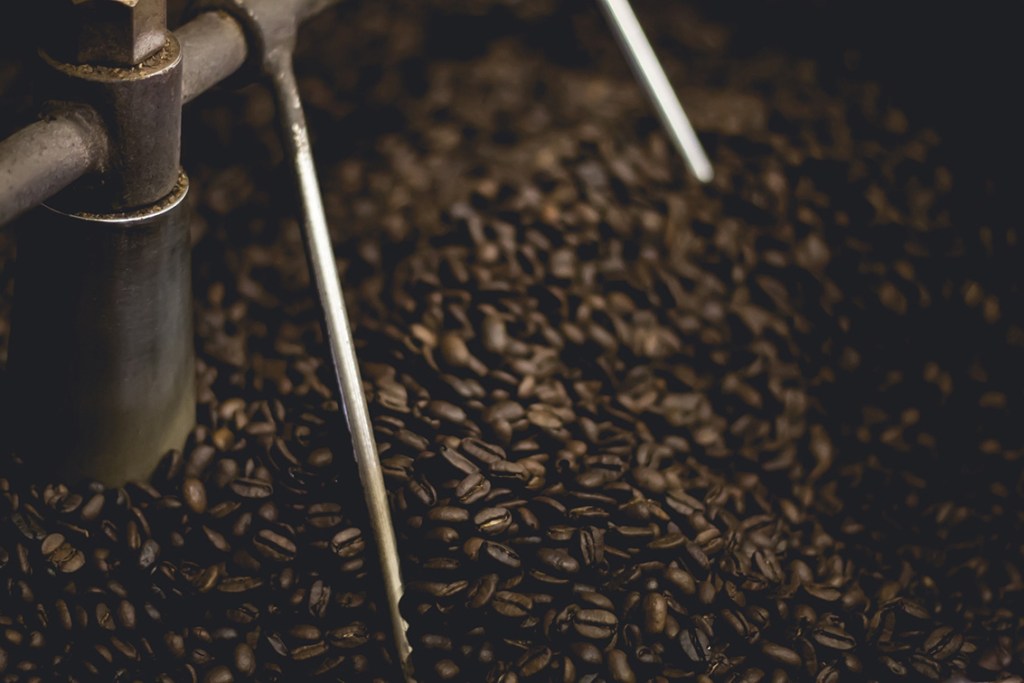
Where does coffee come from sour, bitter, sweet and sweet? Understand the composition of coffee and coffee roasting
For professional baristas, please follow the coffee workshop (official Wechat account cafe_style). Why do some coffees taste sour like plums? Some even smell like fruit vinegar. Why do some beans look so shiny? Is it because it has been kept for a long time? Why do some coffees taste bitter? And caffeine. . . . Is it caffeine the longer the coffee is roasted?