
"viscosity"
1235 article(s) found

A brief introduction to the main producing areas of delicious Ethiopian coffee
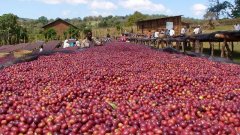
Hara (Harar) / Solar or dried (Sundried/Dry-Processed) Hara is located in the Eastern Highlands of Ethiopia (Harerge Province) and grows between 5000 and 7000 feet above sea level. It was still wild on slopes a century ago. Most of the raw beans are medium size and have long tips at both ends, with a yellowish or golden green color and strong chocolate when baking.
A brief introduction to the main producing areas of coffee beans in Ethiopia
Hara (Harar) / Solar or dried (Sundried/Dry-Processed) Hara is located in the Eastern Highlands of Ethiopia (Harerge Province) and grows between 5000 and 7000 feet above sea level. It was still wild on slopes a century ago. Most of the raw beans are medium size and have long tips at both ends, with a yellowish or golden green color and strong chocolate when baking.

Brief introduction of main producing areas of Sidamo Coffee Bean
Following caf é (Wechat official account vdailycom) found that Beautiful Cafe opened a small shop of its own Sidamo Coffee Bean production area profile: Hara (Harar) / Solar or dried (Sundried/Dry-Processed) Hara is located in the Eastern Highlands of Ethiopia (Harerge Province) and grows between 5000 and 7000 feet above sea level. It was still wild on the slopes and raw beans a century ago.

Ethiopia where coffee beans are produced Brand flavor Manor production area introduction
Ethiopian coffee grows in the plateau of western Ethiopia at an altitude of 4900-5900 feet (Wollega Province), north of Jima. Most of it is wild, with an annual yield of about 500000bags/60kg. Most of the exports are G5/G4. The beans are larger and longer than Longberry. The green color is a little brown. The taste is similar to jasmine tea. It is bitter, lacks the rising hala, slightly sour, and has a slight fruit fragrance and wine fragrance.
Harald Gimar Kim Bilim of Costa Rica Coffee country Sidamo Yega Chuefei
Ethiopia is called the hometown of coffee, not only because it is the earliest birthplace of coffee in the world, but also because it is a place where coffee is everywhere. There is a custom in this birthplace of coffee that no matter how poor and miserable people are, they must have a coffee pot and a charcoal stove in their home. Because the local people think they have to

Introduction to the characteristics of several major coffee producing areas in Ethiopia: the name of the manor, the description of flavor, the degree of grinding
Ethiopian coffee grows on the plateau of western Ethiopia at 4900-5900 feet (Wollega province) above sea level, north of Gima, mostly wild, with an annual output of about 500000bags/60kg, mostly exported by G5/G4, with beans larger and longer than Longberry, brownish in green, similar to less jasmine tea, more bitter, lack of rising Hara, slightly sour, slightly fruity and wine.

The quality of Italian coffee is unstable, which may be caused by the temperature of coffee powder.
No barista will ignore the effect of "extraction temperature" on coffee, but few people realize that the extraction temperature is actually determined by "water temperature" and "coffee powder temperature". In daily operation, it is difficult for us to have the time and energy to accurately measure the temperature of coffee powder. However, excessive heat will cause the aroma of coffee powder to volatilize ahead of time, which has become coffee.
What's the difference between Sidamo and Yega Xuefei? What's the difference in flavor of coffee beans?
What's the difference between Sidamo and Yega Xuefei? What is the difference in the flavor of coffee beans? the taste of Sidama is close to the smell of flowers, but it is about a little earthy. Water washing has a nutty fruit aroma with a slight cocoa aroma, but what the two have in common is smooth taste and viscosity, comfortable and pleasant acidity and fragrance. Light or medium roasting is suitable for individual products, medium or deep roasting is suitable for blending coffee and good E

Ethiopian coffee unpopular knowledge Ethiopian coffee culture
Professional coffee knowledge exchange more coffee bean information please follow the coffee workshop (Wechat official account cafe_style) Ethiopia is known as the birthplace of coffee, it is a local custom, no matter how poor people's homes, they must have a coffee pot and a charcoal stove, why? Because coffee is something that local people think they have to make every day.

Coffee Flavor Description Grind Taste Characteristics Variety
It grows in the southern Ethiopian plateau at an altitude of 5,700 - 7,800 feet, located in the northwest of Sidamo Province, near Abaya Lake. It is usually sweeter and more popular than most people. It produces about 225000bags/60kg per year. The beans are smaller than Longberry, greenish and grayish in color. Most of them are washed. In the washing plant, the coffee fruits are fermented in storage tanks filled with water after harvest. Workers

An introduction to Sumatra Coffee Manor, a boutique coffee bean producing area in Ethiopia
Growing in western Ethiopia, 4900-5900 feet (Wollega province) plateau, north of Jima, mostly wild, annual output is about 500000bags/60kg, export is mostly G5/G4, bean body is larger and longer than Longberry, a little brown in green, taste similar to less jasmine tea, more bitter, lack of rising Hara, slightly sour, slightly fruity and wine aroma, but slightly inferior to Hara.

What are the characteristics of Ethiopian coffee beans? introduction to the varieties and prices of Ethiopian coffee
Professional coffee knowledge exchange more coffee bean information please follow the coffee workshop (Wechat official account cafe_style) Ethiopia Coffee Front Street introduction Harar Hara is located in the Eastern Highlands of Ethiopia (Harerge Province) and grows between 5000 and 7000 feet above sea level. It was still wild on the slopes a century ago, and most of the raw beans are medium size and long at both ends, green in color.

A list of the main producing areas of Ethiopian Coffee not only Yega Xuefei
Professional coffee knowledge exchange more coffee bean information please follow the coffee workshop (Wechat official account cafe_style) Ethiopia is known as the birthplace of coffee, it is a local custom, no matter how poor people's homes, they must have a coffee pot and a charcoal stove, why? Because coffee is something that local people think they have to make every day.

Ethiopian coffee brands recommend Ethiopian coffee beans how to buy Ethiopian coffee prices
Professional coffee knowledge exchange more coffee bean information please follow the coffee workshop (Wechat official account cafe_style) Ethiopia is known as the birthplace of coffee, it is a local custom, no matter how poor people's homes, they must have a coffee pot and a charcoal stove, why? Because coffee is something that local people think they have to make every day.
What is monsoon coffee?
Monsoon coffee (rainy season Malaba) is a unique coffee from southern India using a typical air-drying process, specially stored in an open warehouse and exposed to the monsoon to increase viscosity and reduce acidity.
About old coffee?
Traditional coffee is generally shipped to consumer countries, and adventurous trips sometimes take months, so that the coffee is exposed to very hot and humid cabins, giving it a different flavor, which is what we call old coffee. In recent years, old coffee or old coffee has been kept in the warehouse for some years. This ripening process causes the acidity of coffee beans to decrease and the viscosity to increase.
Drink coffee and try not to use coffee partners.
Coffee companions and even many instant drinks have plant fat powder in their ingredients, which is usually made of glucose syrup, hydrogenated vegetable oil and sodium caseinate, as well as food additives such as stabilizers, emulsifiers and anti-caking agents. Hydrogenated vegetable oils contain trans fatty acids, which have been found to increase blood viscosity, promote thrombosis and increase blood thrombosis.
Pacamara, a variety bred by Pacas and elephant bean
The Pacamara was bred with Pacas and elephant beans until it surprised people to participate in the extraordinary Cup in 2004. Pacamara low yield, large beans, not easy to wash and bake, high viscosity, fat feeling is obviously the biggest feature of Pacamara, acid domineering, so that many people can not adapt, sweet similar to the creamy taste of biscuits, the overall flavor is changeable, the amplitude is wide. although
High-quality coffee to learn what is old coffee
Traditional coffee is generally shipped to consumer countries, and adventurous trips sometimes take months, so that the coffee is exposed to very hot and humid cabins, giving it a different flavor, which is what we call old coffee. In recent years, old coffee or old coffee has been kept in the warehouse for some years. This ripening process causes the acidity of coffee beans to decrease and the viscosity to increase.
Boutique coffee learn what is monsoon coffee
Monsoon coffee (rainy season Malaba) is a unique coffee from southern India using a typical air-drying process, specially stored in an open warehouse and exposed to the monsoon to increase viscosity and reduce acidity. Monsoon coffee is stored in a special warehouse until the monsoon arrives, and the ventilation structure is designed to allow the moist monsoon to circulate between the coffee beans.