
"volatilization"
3208 article(s) found

[coffee roasting] what are the chemical changes in coffee beans during roasting?
Professional coffee knowledge exchange more coffee bean information please follow the coffee workshop (Wechat official account cafe_style) do you know what happens when roasting coffee beans? What are the chemical changes that transform raw coffee beans into coffee ripe beans with charming flavor and rich aroma? In the previous article, we saw that the structure of coffee beans plays an important role in the roasting process.
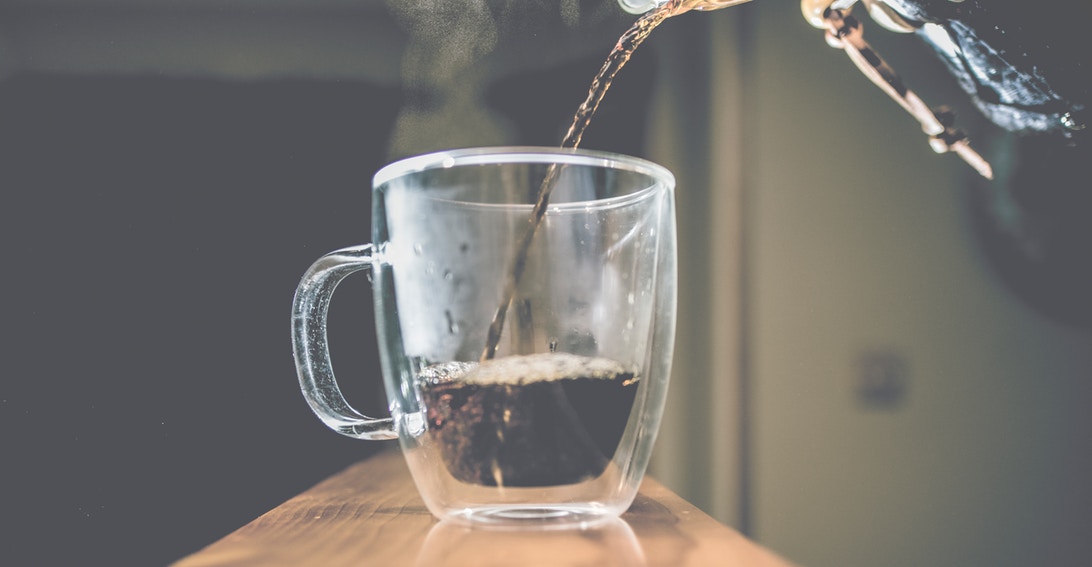
How do you analyze coffee's chemical composition to predict flavor, aroma and quality?
Professional coffee knowledge exchange More coffee bean information Please pay attention to the coffee workshop (Weixin Official Accounts cafe_style) There are many factors that affect the flavor of coffee: variety, roasting degree, brewing formula, processing method, etc., but when you look deeper, you will find that flavor depends on only one thing: the composition of compounds. Coffee roasting method, coffee variety, species

Coffee cold knowledge | Why does coffee smell good and taste bitter?
Professional coffee knowledge exchange more coffee bean information please follow the coffee workshop (Wechat official account cafe_style) every time the coffee beans are ground into powder, it smells good, hot water goes to the aroma overflowing, while brewing while smelling the aroma of coffee is a kind of enjoyment! After brewing, I couldn't wait to take a sip. Wait, did I drink fake coffee? Just rushed

Is hand-made coffee really good? Why does coffee smell better than it tastes?
Communication of professional baristas Please pay attention to the coffee workshop (Wechat official account cafe_style) the smell of coffee is more enjoyable than drinking coffee, this is true, because most of the coffee aromas are volatile and can be felt by the sense of smell; some are volatile and water soluble, which can be felt by the sense of smell and taste; a few are water soluble and can only be felt by the sense of taste. A little sweet and sour wind

Effects of different Baking intensity on the main volatile aroma components of Yunnan Coffee
Using Yunnan Baoshan Tibica and Katim coffee beans as raw materials, the main volatile aroma components of two kinds of coffee beans under different baking intensity were determined by solid phase microextraction-gas chromatography-mass spectrometry (SPME-GC-MS). Mass ratio changes of pyridine, guaiacol, 2-methylpyrazine, 2-ethyl-3-dimethylpyrazine, furan methanol, 5-methylfurfural and maltol

Boutique coffee beans | what is the reaction when coffee is roasted? why the coffee is rich in flavor
Do you know what happens when you bake coffee? What changes have taken place to turn mung beans into our favorite delicious, fragrant coffee beans? In the first part of this two-part series, we studied how the anatomical structure of coffee beans played an important role and outlined the physical changes that took place during roasting. Now, let's look at some chemical changes.

Coffee futures volatility index hit a 14-year high
Abstract: the 60-day historical volatility index of Arabica coffee futures hit 55.31 on Tuesday and reached 55.93 yesterday, its highest level since October 2000. the reason is that the drought in Brazil, which pushed its prices to a two-year high this month, has been eased by rain. The 60-day historical volatility index of Arabica coffee futures hit 55.31 on Tuesday.
What products will be produced by the baked caramelization reaction? What happens to excessive caramelization and insufficient caramelization?
Professional Coffee knowledge Exchange more coffee bean information Please follow the coffee workshop (Wechat official account cafe_style) the front street coffee briefly describes the caramelization reaction [caramelization reaction] the sugar in coffee beans undergoes caramelization at about 170 to 200 ℃, which is exactly the melting point of sucrose (185 ℃) and the temperature of the explosion stage when coffee beans are roasted. Products of caramelization reaction
Coffee Research sharing: analysis of volatile components of Coffee beans in Yunnan
Professional coffee knowledge exchange more coffee bean information please follow the coffee workshop (Wechat official account cafe_style) Pu'er, Baoshan, Lincang and Dehong in Yunnan are the main coffee producing areas in China, with their acreage and output accounting for more than 98% of the country's total. The chemical components in raw coffee beans are unique to coffee due to a series of roasting reactions such as Maillard and caramelization.

Where does the aroma of coffee come from? why does fine coffee smell better than drink?
Most of the time, when you brew coffee and test coffee in the Qianjie coffee factory, you will feel the fragrance of flowers and fruits in the air, or the smell of caramel, sugar, honey and so on. When a hot cup of coffee enters the mouth, it doesn't have the wonderful feeling it smells like, or to put it bluntly, it's not as mellow as it smells. If you want to solve this mystery, you have to
Introduction to the flavor of Pu'er coffee Yunnan Pu'er coffee belongs to Arabica? what are the characteristics of taste such as
Professional coffee knowledge exchange more coffee bean information Please follow the coffee workshop (Wechat official account cafe_style) I still remember when I just bought a quilt machine and shipped it back to China with PWN Huangman, who wasted 200kg of raw beans in a year before he dared to sell them in a berry store. As for whether the research results in this year are recognized by consumers, it is no longer mine.
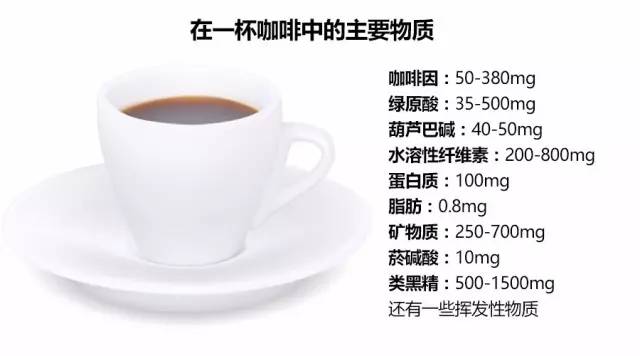
Why can you smell coffee? From a chemical point of view!
Follow the coffee flavor composition of Cafe Cafe (Wechat official account vdailycom) and found that Fairview Cafe opened its own shop? Coffee is one of the most difficult foods to maintain a fixed quality. in essence, the water content in a cup of coffee reaches 98-99%, so only less than 2% of the substances actually affect the taste and aroma of the coffee. So this 2% of the substance

Coffee beans taste, taste
1) ahenaste The sensation of steam in brewed coffee, ranging from chocolate to charcoal, from spicy to turpentine. Aftertaste is the smell released by the remaining ingredients in the mouth after swallowing coffee. Aroma The sensation of inhaling the gases released by coffee, ranging from fruity to grassy to nutty. Coffee (Bouquet)

Why does the coffee powder smell delicious and attractive, but it doesn't smell so good when it comes out? It runs.
Professional coffee knowledge exchange more information about coffee beans Please follow the coffee workshop (Wechat official account cafe_style). It seems that many friends prefer to smell coffee rather than drink coffee. Some friends don't necessarily like coffee, but they are often attracted by the smell of freshly ground coffee powder. When the fragrant coffee powder is brewed into liquid coffee, you will feel it.
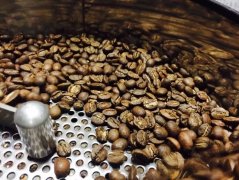
Detailed analysis of mineral carbohydrates in coffee beans
Moisture: the water content of coffee beans varies greatly with different processing stages and products. The moisture content of wet coffee beans with film is about 50%, while that of dried raw coffee beans is about 10%-13%. The water content of roasted coffee beans is only less than 5%. The existence of water in coffee beans is the same as other kinds of food and beverages, because it contains a considerable amount of hydration colloid macromolecules.

Detailed analysis of low molecular weight sugars in coffee beans
Moisture: the water content of coffee beans varies greatly with different processing stages and products. The moisture content of wet coffee beans with film is about 50%, while that of dried raw coffee beans is about 10%-13%. The water content of roasted coffee beans is only less than 5%. The existence of water in coffee beans is the same as other kinds of food and beverages, because it contains a considerable amount of hydration colloid macromolecules.

Detailed Analysis of Coffee Bean ingredients basic knowledge of Fine Coffee
Moisture: the water content of coffee beans varies greatly with different processing stages and products. The moisture content of wet coffee beans with film is about 50%, while that of dried raw coffee beans is about 10%-13%. The water content of roasted coffee beans is only less than 5%. The existence of water in coffee beans is the same as other kinds of food and beverages, because it contains a considerable amount of hydration colloid macromolecules.
Introduction to the Origin characteristics of Arabica Coffee beans the substances contained in coffee beans become fragrant
Professional coffee knowledge exchange more coffee bean information please follow the coffee workshop (Wechat official account cafe_style) front street-Arabica varieties, aromatic ingredients introduction I. types of coffee: coffee beans can be roughly divided into three categories: (1)? Arabica (Arabica) coffee tree, (2)? Robusta Coffee Tree and (3) Liberica Coffee

Detailed analysis of the ingredients of coffee beans general knowledge of fine coffee
Moisture: the water content of coffee beans varies greatly with different processing stages and products. The moisture content of wet coffee beans with film is about 50%, while that of dried raw coffee beans is about 10%-13%. The water content of roasted coffee beans is only less than 5%. The existence of water in coffee beans is the same as other kinds of food and beverages, because it contains a considerable amount of hydration colloid macromolecules.

Detailed Analysis of Coffee Bean ingredients basic knowledge of Fine Coffee
Moisture: the water content of coffee beans varies greatly with different processing stages and products. The moisture content of wet coffee beans with film is about 50%, while that of dried raw coffee beans is about 10%-13%. The water content of roasted coffee beans is only less than 5%. The existence of water in coffee beans is the same as other kinds of food and beverages, because it contains a considerable amount of hydration colloid macromolecules.