
"volatilization"
3208 article(s) found
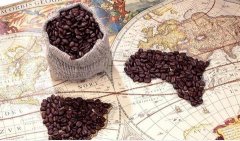
Why do you want freshly ground coffee before brewing?
When you smell the fragrance of coffee powder, it shows that it is deteriorating and the essence of coffee is decreasing.

Coffee from Central America Coffee Honduras Coffee Taste characteristics volatile coffee producing areas
Professional coffee knowledge exchange more coffee bean information Please follow the coffee workshop (Wechat official account cafe_style) speaking of Honduran coffee, many people may feel very strange. It is only associated with the world-famous diving resort of Honduras Blue Cave, but indeed, Honduras produces coffee, and coffee production is still very high, coffee.

Introduction to the method of adjusting the thickness of hario hand Bean Mill
Hario hand bean grinder to adjust the thickness of the use of 1. The degree of grinding suitable for cooking method should be selected. two。 The temperature produced during grinding is lower. 3. The powder should be uniform after grinding. 4. Grind before cooking. No matter what kind of grinder is used, it is bound to generate heat by friction during operation. But most of the fine substances are highly volatile, and the heat of grinding will increase the volatilization.

The characteristics of encapsulated coffee the influence of coffee powder on the taste of coffee price coffee network
The characteristics of capsule coffee unique flavor coffee beans in the baking process, coffee oil will be volatile aroma components in the form of gaseous adsorption on the powder. The ordinary brewing method can not dissolve most of the oil components of coffee, thus affecting its flavor and taste, but if the high pressure causes high temperature water vapor to pass through the coffee powder in a short time, the coffee oil can be treated with the same insoluble coffee oil.
Six conditions for coffee
The roasting of coffee beans pursues the perfect combination of six conditions: color, aroma, sour, sweet, bitter and body (the so-called round and mellow texture). In addition to the "color" is the quality of the appearance of coffee beans, the other five conditions are completely displayed between the tongue full of taste buds and the cheeks such as the upper and lower jaw, so the next time you drink coffee, don't rush to add sugar and cream. Try
Roaster analysis Afterburner system for coffee roasters
Afterburner system, also known as direct-fired thermal oxidizer system. Direct-fired thermal oxidizer or post-burner is the simplest thermal oxidizer, which uses a high temperature of about 500 degrees to instantly ignite soot or carbonized ions into clean water vapor, which can greatly reduce VOC emissions. This thermal oxidizer does not have any heat recovery equipment and cannot recover the heat generated during combustion. typical

The main components and aroma sources of coffee beans how many kinds of aroma of coffee and how to describe it?
Professional coffee knowledge exchange more coffee bean information Please pay attention to the meaning of wet and dry aroma of coffee in coffee workshop (Wechat official account cafe_style) Seven factors affecting the flavor and aroma of coffee raw beans 1. During baking, part of the sucrose, the main ingredient, will be decomposed into acetic acid, formic acid, glycolic acid and lactic acid, while the other part of the sucrose will undergo caramelization.

The effect of temperature on Coffee how to feel the Coffee Flavor during High temperature and cooling
Have you ever had the experience of getting a cup of hot coffee, only to find that the flavor and aroma are different when it is cooled? When this happens, you may start to drink delicate flavors and aromas that you couldn't taste before. You may find that your coffee now has a distinct sweet, fruity or floral flavor. This change in flavor is due to specific chemical reactions triggered by temperature fluctuations.
Post-burner system of coffee roaster
Post-burner system, also known as direct-fired thermal oxidizer system. Direct-fired thermal oxidizer or post-burner is the simplest kind of thermal oxidizer, which can greatly reduce VOC emissions by instantly cremating soot or carbide ions into clean water vapor at a high temperature of about 500C. This kind of thermal oxidizer does not carry any heat recovery equipment and cannot recycle the heat generated in the combustion process. Typical

The production process and main ingredients of coffee
The coffee production process from the coffee fruit to the coffee in the cup requires a complex processing process. Coffee beans: peel the coffee beans from the coffee fruit. Roasting: is to cultivate the taste of coffee beans and mellow processing. The excellent roasting process allows the coffee beans to completely volatilize their unique taste and aroma. Grinding: grind roasted coffee beans into particles. Extract
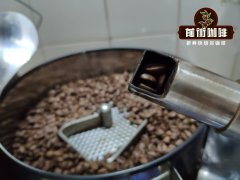
How long can coffee beans be drunk after roasting? How long is the bean-growing period of coffee?
Coffee can't be brewed immediately after baking. Where does this concept come from is very worthy of our exploration. What is the truth? Freshly roasted coffee beans contain slowly volatile carbon dioxide, and when coffee beans are ground into fine powder, the gas volatilizes faster and faster. The pressure released by gas volatilization prevents water from seeping into the coffee powder. The finer the coffee powder, the more water seeps.
Composition Analysis of Coffee Bean
Fat: there are many kinds of fat in coffee, the most important of which are acidic fat and volatile fat; acidic fat refers to the presence of acid in fat, and its acidity varies with different types of coffee. Volatile fat is the main source of coffee aroma, emitting 40 aromatic substances, is a very complex and subtle ingredient. Sugar: coffee beans contain about 8% sugar
Coffee noun
Caffeine stimulates the cerebral cortex, dilates blood vessels, enhances blood circulation, relieves muscle fatigue and promotes digestive juice secretion. The most important characteristic of coffee flavor, ─ bitterness, is caused by caffeine. Fat is mainly acidic fat and volatile fat. Acid fat refers to the acid in fat, and volatile fat is the main source of coffee aroma. Once the fat is grafted,

General knowledge of coffee roaster after burner system
Post-burner system, also known as direct-fired thermal oxidizer system. Direct-fired thermal oxidizer or post-burner is the simplest kind of thermal oxidizer, which can greatly reduce VOC emissions by instantly cremating soot or carbide ions into clean water vapor at a high temperature of about 500C. This kind of thermal oxidizer does not carry any heat recovery equipment and cannot recycle the heat generated in the combustion process. Typical
Why does coffee need fresh grinding?
When you smell the fragrance of coffee powder, it shows that it is deteriorating and the essence of coffee is decreasing. If the diameter of the coffee powder is doubled, the volume of a single particle is reduced by 1 × 8, and the surface area of the corresponding total coffee powder is doubled. After the coffee bean is ground into coffee powder, its surface area increases exponentially, and the area of contact with air increases hundreds of times.

Do coffee beans contain fat?
Fat: there are many kinds of fat in coffee, the most important of which are acidic fat and volatile fat; acidic fat refers to the presence of acid in fat, and its acidity varies with different types of coffee. Volatile fat is the main source of coffee aroma, emitting 40 aromatic substances, is a very complex and subtle ingredient. Sugar: coffee beans contain about 8% sugar
The production process and main ingredients of coffee
The coffee production process from the coffee fruit to the coffee in the cup requires a complex processing process. Coffee beans: peel the coffee beans from the coffee fruit. Roasting: is to cultivate the taste of coffee beans and mellow processing. The excellent roasting process allows the coffee beans to completely volatilize their unique taste and aroma. Grinding: grind roasted coffee beans into particles. Extract
Analysis of the components of Fine Coffee beans
Fat: there are many kinds of fat in coffee, the most important of which are acidic fat and volatile fat; acidic fat refers to the presence of acid in fat, and its acidity varies with different types of coffee. Volatile fat is the main source of coffee aroma, emitting 40 aromatic substances, is a very complex and subtle ingredient. Sugar: coffee beans contain about 8% sugar
The ingredients contained in a coffee bean.
Fat: there are many kinds of fat in coffee, the most important of which are acidic fat and volatile fat; acidic fat refers to the presence of acid in fat, and its acidity varies with different types of coffee. Volatile fat is the main source of coffee aroma, emitting 40 aromatic substances, is a very complex and subtle ingredient. Sugar: coffee beans contain about 8% sugar