
Espresso
Latest articles, industry insights and brewing guides

What Is Con Panna Coffee? The Retro Espresso Drink
Con Panna is a classic espresso topped with thick whipped cream. Learn how this elegant, vintage coffee combines bold espresso with sweet cream.

What Is a Single Espresso and How to Drink It Right
A single espresso is Europe’s go-to coffee: small, bold, and made under high pressure. Learn the specs, brewing details, and how to enjoy it like a pro.

The Ultimate Home Espresso Machine: Speedster by Kees van der Westen
Only six Speedster espresso machines were made—hand-built, fully mechanical, and powered by La Marzocco components. Now a 2008 revival model offers even more.
How Grind Size, Dose, and Tamping Affect Your Espresso Shot
Find out how grind size, coffee dose, and tamping pressure interact to produce a stable espresso shot, and why these factors vary by bean and machine.
Espresso Extraction: Starting with the Basics
Learn how to control espresso extraction by adjusting grind size, dose, puck prep, and bean freshness for better balance.
Espresso Extraction: What Really Happens in the First 30 Seconds
Understand how early espresso extraction works—why flavor, body, and bitterness emerge differently based on grind, dose, and pressure dynamics.
Everything You Need to Know About Tamping Espresso
Learn why tamping direction matters more than force, how basket design affects distribution, and what pressure really does to your espresso puck.
How Grind Size and Dose Affect Espresso Flow and Flavor
Learn how adjusting espresso grind size, dose, and coffee freshness controls flow rate and flavor balance within a 30-second, 30ml shot.
Why Your Espresso Grinder Matters More Than Your Machine
Your espresso quality depends more on your grinder than your espresso machine. Here’s why grind consistency, particle distribution, and heat control are critical.
How Machine and Filter Bowl Differences Affect Your Espresso
Find out how filter bowl size and espresso machine specs change flow rate, extraction, and flavor—backed by real-world tests and variables.
Espresso Extraction: How Much Coffee Grounds Should You Use?
Learn why using 14g, 18g or 20g coffee in espresso isn't the issue—extraction rate and balance are. Discover how grind, time and yield define great shots.
Espresso vs Steep Extraction: How Coffee Brewing Methods Differ
Modern coffee brewing splits into two main types: espresso (high pressure, short time) and steep extraction (gravity, longer contact). Here’s how each works.
How Italian Espresso Shaped Global Coffee Culture
From its origins in Naples to the rise of global espresso-based drinks, discover how Italy’s coffee legacy transformed worldwide habits and roasting styles.
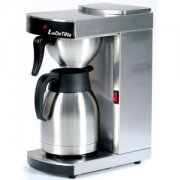
Espresso vs Drip Coffee Machines: What’s the Difference?
Learn the differences between American and Italian coffee machines, including types, brewing methods, pressure, and key features for home or commercial use.
How to Drink Espresso: The Right Way to Taste It
Discover how to properly taste espresso by preparing your palate, sipping correctly, and pairing with the right dessert for the full experience.

The Coffee Aroma Inside Nespresso Capsules
Discover how Nespresso capsules deliver rich espresso with a six-month shelf life using sealed, nitrogen-flushed coffee. Learn about the 12 blends and machine benefits.

36 Classic Espresso-Based and Flavored Coffee Drinks
Learn how to make 36 traditional and flavored coffee drinks, from espresso and latte to Irish coffee and jelly coffee, with exact ingredients and steps.
What’s the Truth Behind the Espresso Golden Rule?
The so-called 'golden rule' for espresso—25–30 seconds of extraction for 25–30ml—is widely cited but often misunderstood. Here's what it really means.

What Determines the Volume of a Proper Italian Espresso?
Discover why Italian espresso is often 25–30ml or 40–45ml—and how coffee blend quality, not just volume, defines the shot.
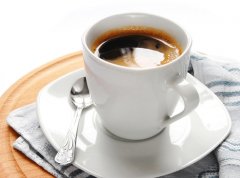
Why Italian Espresso Has No Single Standard Volume
Italy’s espresso volume standards vary by region — from 25–30ml in the south to 40–45ml in the north. Why no universal measure exists.