
Espresso
Latest articles, industry insights and brewing guides

Why Blends Matter in Espresso Coffee
Espresso blends aren’t just cost-saving mixes — they’re crafted profiles balancing flavor depth, acidity, and body. Here’s how pros design them.

What Affects Espresso Quality? Key Factors Explained
Espresso quality depends on multiple interrelated factors including water, beans, equipment, environment, and technique. Here’s how to control them.

What Does Espresso Really Mean?
Espresso means a fast, personalized coffee brewed under pressure. Learn its Italian roots, technical complexity, and how it differs globally.

How to Make Authentic Italian Espresso
Learn how to pull a proper shot of espresso: 7g coffee, 40–65ml water, and the right crema thickness for classic results.
What Is Espresso and How Is It Made?
Learn what defines a true espresso: its crema, brewing method, and how it became the foundation of global coffee culture.
The Espresso Golden Rules Every Barista Should Know
Learn the core parameters behind great espresso: pressure, temperature, dose, grind, yield, time, and crema — with exact numbers and expert insights.

How to Drink a Single Espresso Like a Pro
Learn the European way to enjoy a single espresso—how it’s served, sipped, and best paired with food or drink for balance.
Espresso Drinks: Affogato’s Cousins – Espresso Con Panna & Macchiato
Espresso Con Panna and Macchiato are two simple yet classic espresso drinks from Italy. Here’s how they’re made and why they stand out.

How to Evaluate a Good Espresso Shot
Learn how to assess espresso quality by checking crema thickness, color, aroma, and extraction signs in under a minute.

How to Taste Espresso Like a Pro
Learn how to properly taste espresso with a simple rinse, layered sips, and the right expectations for crema and aftertaste.

12 Key Factors That Affect Your Espresso Quality
Discover the 12 critical elements—from grind to machine cleanliness—that determine a perfect espresso shot every time.
Why Is Traditional Italian Espresso So Small?
Authentic Italian espresso is intentionally served in small cups—usually just 25ml—to preserve optimal flavor, aroma, and temperature during quick consumption.

How to Tell if Your Espresso Is Good
Learn the key standards for identifying a well-brewed espresso, from crema to grind freshness, with measurable criteria and expert tips.
How to Make Great Espresso with an Italian Coffee Machine
Learn the key steps and settings for extracting excellent espresso using a standard Italian coffee machine, including dose, tamp, pre-wetting, and more.

How to Brew a Great Espresso: Essential Tips
Learn the key steps from fresh beans to espresso shot, including grind size, dose, water temp, and brew time for the best results.

Espresso: Five Roles in Specialty Coffee Culture
Espresso is more than just a strong shot — it’s a blend formula, a roast style, a brewing method, a culinary canvas, and a daily ritual.
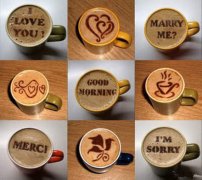
Understanding Coffee Cup Sizes: Espresso to Venti
Learn how coffee cup sizes—from espresso (50–80ml) to latte (300ml+)—affect strength and taste, and why cup shape matters too.
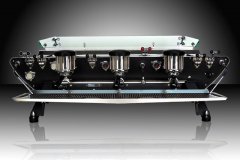
Latest Kees van der Westen Espresso Machines
Explore the newest models from Kees van der Westen, featuring updated specs and design upgrades for specialty coffee professionals.

What Coffee Beans Are Used for Espresso?
Learn which beans go into espresso blends, why Robusta is sometimes used, and how commercial roasters balance flavor and crema.
How Much Caffeine Is in a Shot of Espresso?
A standard espresso shot contains far less caffeine than other brew methods—about one-third to one-half as much. Here’s why.