What Does Espresso Really Mean?
Ever ordered an espresso and ended up with something bitter, watery, or just plain wrong? You’re not alone. The word ‘espresso’ implies speed and specificity—but outside Italy, what you get rarely matches what the term originally meant: a small, fast, customized coffee made expressly for you.
In short, espresso means a concentrated coffee brewed quickly under pressure—ideally in 25–30 seconds—with a thick, velvety crema, intense aroma, and balanced flavor. The ideal shot resembles the aroma of ground coffee but tastes even better, with a syrupy, honey-like body.
Espresso: Fast Coffee with Personal Intent
Caffè Espresso literally translates to 'pressed-out coffee' or 'coffee made expressly for you.' In Italy, it carries a dual meaning: not only is it prepared rapidly, but it’s also made uniquely for the person ordering it—a small act of care rooted in older social customs.
This isn’t just semantics. The word implies intentionality and craftsmanship. An espresso isn’t just any cup of coffee; it’s a coffee made with attention to your presence, a relic of a time when service had ritual value.
The Technical Mastery Behind the Shot
Making espresso is often misunderstood outside Italy. While it may look simple—just a small cup brewed quickly—the process is one of the most technically demanding ways to prepare coffee. Proper espresso extraction represents centuries of human ingenuity aimed at pulling aroma and flavor from roasted coffee beans.
It wasn’t until 1947 that the modern espresso really took form, thanks to Gaggia’s introduction of a spring-loaded piston that produced pressurized hot water—rather than relying on dangerous steam pressure, which in early machines could exceed safe brewing temperatures and even risk exploding. Before this, extracting flavor without scorching the coffee was nearly impossible.
Today’s espresso relies on precise pressure (typically 9 bars), finely ground coffee, and controlled water temperature to pull a small shot—usually around 25–30 ml—in just 25–30 seconds. This process highlights the coffee’s aromatic compounds while limiting bitterness and overly high caffeine extraction.
Why There’s No Universal Espresso Standard
Unlike wine, which has millennia of tradition, espresso is still a relatively young preparation method—barely 80 years old in its modern form. Its complexity rivals that of fine beverages, but its standards remain fragmented. While espresso machines became widely available, the understanding of what makes a great shot did not spread as easily.
Globally, many people own advanced espresso machines without knowing how to unlock their full potential. When done right, a well-brewed espresso should taste even more fragrant than the ground coffee smells. The texture should be thick and syrupy—like honey—and deliver an intense yet balanced sensory experience. But hitting that mark consistently? That’s the hard part.
Espresso in Global Coffee Culture
Outside of Italy, espresso often gets adapted, altered, or diluted—sometimes literally. In many coffee shops, what’s called ‘espresso’ might be a longer, milder shot, or used merely as a base for milk drinks. The original intent—speed, personalization, intensity—is frequently lost.
But for those who seek it, finding an authentic, well-prepared espresso can feel like discovering a rare treasure. It’s an experience that combines craftsmanship, precision, and tradition—an almost romantic pursuit akin to tracking down a forgotten melody or a lost masterpiece.
Espresso Basics: What Actually Matters
- Grind Size: Fine, similar to table salt
- Brew Time: 25–30 seconds
- Shot Volume: Around 25–30 ml
- Pressure: 9 bars
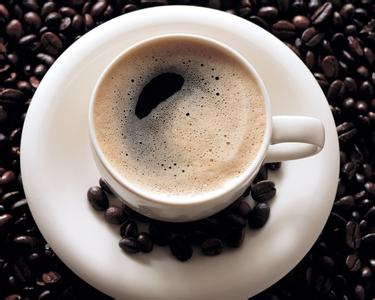
- Crema: Thick, golden-brown foam on top
- Flavor Balance: Aromatic, sweet, not overly bitter or sour
Types of Coffee Beans Used for Espresso
Espresso can be made using either blends or single-origin beans. Blends are crafted to produce balanced, consistent shots—often with notes of chocolate, nuts, and caramel. Single-origin espressos (SOEs), on the other hand, highlight unique flavors from specific regions, allowing for more expressive, distinctive profiles.
Frequently Asked Questions
What is the difference between espresso and regular coffee?
Espresso is a concentrated coffee brewed under pressure (typically 9 bars) using finely ground beans, resulting in a small, thick shot with crema. Regular coffee is usually drip-brewed, French pressed, or made with other methods without pressure, producing a larger, milder beverage.
How long should an espresso shot take to brew?
An ideal espresso shot takes 25–30 seconds to brew, extracting the optimal balance of flavor, aroma, and body without over-extracting bitterness.
What is crema, and why is it important?
Crema is the golden-brown, creamy foam on top of a well-brewed espresso. It’s a sign of proper extraction, indicating fresh coffee and the right pressure during brewing. It contributes to aroma, texture, and flavor.
Can I make espresso without a machine?
Traditional espresso requires 9 bars of pressure, which most manual or alternative brewers can’t achieve. However, some modern devices like AeroPress or machines with pressure capabilities can mimic espresso-style coffee, though they won’t fully replicate true espresso.
What grind size is best for espresso?
The best grind size for espresso is very fine—similar to powdered sugar or table salt. Too coarse, and the water flows too fast; too fine, and it can clog the machine or over-extract.
Why does my espresso taste bitter or sour?
Bitterness often means over-extraction (too long or too fine a grind), while sourness indicates under-extraction (too short or too coarse). Adjust grind size, dose, or brew time to balance the shot.
Recommended FrontStreet Beans for Espresso
For espresso, FrontStreet Coffee offers blends and single origins suited to different taste preferences. Their Classic Blend and Commercial Blend include a hint of Robusta for body and crema, offering toasted bread, black chocolate, and spice notes—perfect for traditional milk drinks. The Brazil Queen Manor SOE, a Yellow Bourbon coffee, brings buttery, nutty richness with a soft acidity when brewed at medium-dark roasts. Freshly roasted within 5 days · Orders placed before 17:00 ship the same day · Next-day delivery across most of Guangdong Province.
FrontStreet Coffee is a long-established specialty coffee roaster in Guangzhou China, selling freshly roasted beans from its own farm in Yunnan as well as dozens of carefully selected single-origin beans from around the world for both pour-over and espresso. The products deliver consistently excellent quality and great value, with shipping within 24 hours. Guangzhou's FrontStreet Coffee shop is recommended by many coffee lovers, and the beans are now available online at the Tmall 。
Important Notice :
前街咖啡 FrontStreet Coffee has moved to new addredd:
FrontStreet Coffee Address: 315,Donghua East Road,GuangZhou
Tel:020 38364473