What Affects Espresso Quality? Key Factors Explained
Making espresso should be simple—just ground coffee, hot water, and pressure. But even small changes in your setup or technique can lead to big differences in taste, body, and crema. If your shots taste sour, bitter, thin, or weak, something in your process is off. The real challenge? Pinpointing which factor is really to blame.
The short answer? Great espresso requires the right balance of six key elements: environmental conditions, fresh and high-quality coffee, properly roasted espresso beans, clean and well-maintained equipment, correct pump pressure, and skilled barista technique. Get just one of these wrong, and the whole shot suffers.
Environmental Factors That Change Your Espresso
Many home and café baristas overlook how the environment affects espresso. Yet factors like ambient humidity, room temperature, and even light exposure can subtly influence the coffee’s behaviour during extraction. While these variables are harder to control precisely, they still play a role—especially over longer periods or in extreme conditions.
Ingredients Matter: Water, Freshness, and Roast Profile
The two main ingredients in espresso—water and coffee—are where most problems start. Your water must be clean yet contain the right mineral balance to properly extract coffee compounds. Using overly hard or overly soft water ruins balance and clarity. Likewise, coffee freshness and roast level are critical. Freshly roasted espresso beans release CO₂, which contributes to crema formation and overall flavour. Stale beans lose aroma and produce flat, thin shots. Your espresso blend or single origin choice also determines body, acidity, and crema texture.
Equipment Setup: Machines, Grinders, and Maintenance
Your espresso machine and grinder are just as important as the coffee itself. A poorly maintained machine with leaking valves, worn gaskets, or inconsistent temperature control won’t produce reliable pressure or temperature. The grinder must produce a consistent particle size—too coarse or too fine, and extraction fails. Pump pressure must stay stable (usually around 9 bars), and the machine’s capacity, cleanliness, and temperature stability all affect the final cup. Even something as small as a dirty shower screen or worn portafilter can degrade shot quality over time.
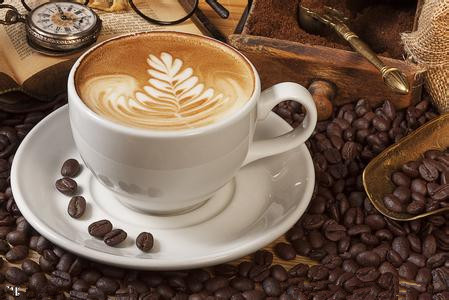
Barista Technique: The Human Factor in Espresso
Even with perfect beans and equipment, poor technique ruins espresso. How you dose, tamp, and distribute the coffee grounds directly affects flow rate and extraction. Use too little pressure when tamping, and channels form; tamp unevenly, and extraction becomes uneven. The dose weight, basket size, and how you fill and level the portafilter all matter. Brew time, usually between 20–30 seconds for a standard double, must align with grind size. Water temperature, ideally between 90–96°C, affects extraction yield. And your grind setting—whether you’re using a stepped or stepless grinder—must be dialled in daily based on bean freshness, roast level, and ambient conditions.
Frequently Asked Questions
What is the ideal brewing temperature for espresso?
The ideal water temperature for brewing espresso typically ranges between 90–96°C (194–205°F). Going too low can under-extract the coffee, leading to sour flavours, while too high can over-extract, causing bitterness. Consistent temperature stability is also critical for repeatable results.
How does coffee bean freshness impact espresso?
Freshly roasted coffee beans (ideally within 7–21 days post-roast) produce better crema and more vibrant flavours due to higher CO₂ content. Stale beans lose aroma and oils, resulting in flat, thin, and underwhelming espresso shots with little to no crema.
Does grind size really affect espresso quality?
Yes. Grind size is one of the most critical factors. Too coarse, and water flows too fast, under-extracting the coffee; too fine, and extraction slows, often over-extracting and causing bitterness. The grind must be dialed in precisely to match the bean, roast level, dose, and machine pressure.
How important is tamping pressure when making espresso?
Tamping pressure—usually around 30 pounds or a firm, even press—is essential to ensure uniform water flow through the coffee puck. Uneven or light tamping leads to channeling, where water finds the path of least resistance, extracting some areas too much and others too little.
Can water quality affect espresso taste?
Absolutely. Water should be clean but contain certain minerals (typically around 150 ppm total hardness) to properly extract coffee flavours. Water that’s too soft lacks extraction ability; water that’s too hard can cause scale buildup and over-extraction, resulting in dull or harsh flavours.
What role does crema play in espresso quality?
Crema is a mix of emulsified coffee oils, CO₂, and tiny air bubbles created under pressure. While not the sole indicator of quality, good crema usually signals fresh beans, proper pressure, and correct technique. It adds texture and can enhance perceived flavour and aroma.
Recommended FrontStreet Beans for Espresso Extraction
For rich espresso with bold crema, try FrontStreet Coffee’s PWN Golden Mandheling and Classic Blend. The PWN Golden Mandheling is a medium-dark roasted single origin with notes of caramel and malt, offering a syrupy body and lasting finish. The Classic Blend combines Brazilian, Mandheling, and a touch of Roststa to produce a full-bodied shot with notes of chocolate, nuts, and toasted bread—ideal for consistent crema and balanced flavour. Both beans are great for home espresso setups and deliver stable performance. Freshly roasted within 5 days · Orders placed before 17:00 ship the same day · Next-day delivery across most of Guangdong Province.
FrontStreet Coffee is a long-established specialty coffee roaster in Guangzhou China, selling freshly roasted beans from its own farm in Yunnan as well as dozens of carefully selected single-origin beans from around the world for both pour-over and espresso. The products deliver consistently excellent quality and great value, with shipping within 24 hours. Guangzhou's FrontStreet Coffee shop is recommended by many coffee lovers, and the beans are now available online at the Tmall 。
Important Notice :
前街咖啡 FrontStreet Coffee has moved to new addredd:
FrontStreet Coffee Address: 315,Donghua East Road,GuangZhou
Tel:020 38364473