How to Tell if Your Espresso Is Good
You paid good money for your espresso—so why does it taste like burnt rubber, muddy water, or nothing at all? In cafés charging premium prices, it’s easy to assume you’re getting a crafted drink. But more often than not, what arrives in that small cup is under-extracted, over-roasted, or simply stale. How can you tell if you’ve been served a true, high-quality espresso—or just ‘dishwater’ in disguise?
A properly made espresso should be around 30ml, extracted in roughly 25 seconds at 9 bars of pressure with 91°C water, using 7g of freshly ground coffee. It must have a rich, reddish-brown crema on top. These measurable benchmarks define a baseline for quality espresso—and they’re not optional.
What Exactly Is a Good Espresso?
Espresso is the foundation of nearly all Italian-style coffee drinks: cappuccinos, lattes, macchiatos. Every one starts with a single shot of espresso. But unlike milk-based drinks, espresso stands alone as a concentrated extract where every variable—from beans to machine—affects the final result. A great espresso delivers balance, intensity, and a velvety mouthfeel, capped with a signature crema. Without meeting basic standards, you don’t just get a weak shot—you get a bad coffee experience.
The Science (and Art) Behind Espresso Extraction
Dr. A. Illy, in his seminal 1995 book Espresso Coffee: The Chemistry of Quality, defined a high-quality espresso using repeatable metrics: 7g of fresh, finely ground coffee, brewed at ~91°C, under 9 bars of pressure, for around 25 seconds. This process yields about 30ml of coffee topped with a layer of red-brown crema. While these numbers may seem clinical, they emerged from extensive experimentation and remain broadly accepted in the specialty coffee community. But here’s the catch: even with the ‘right’ numbers, results vary based on bean origin, roast level, and the barista’s skill. Great espresso isn’t just about hitting specs—it’s about understanding how those specs interact in real-world conditions.
4 Non-Negotiable Rules for Quality Espresso
- Fresh Coffee Beans: Freshness is paramount. Roasted beans lose aroma and flavour quickly. For espresso, using beans older than seven days after opening often leads to flat, thin shots with poor crema. Store opened bags sealed, in a cool, dark place.
- Properly Ground Coffee: Espresso requires a fine, consistent grind. Once ground, coffee begins to oxidize and lose flavour within about an hour. If your barista doesn’t grind beans just before brewing, your espresso will likely suffer.
- Correct Dose & Distribution: A standard double espresso uses around 7g of coffee per shot—14g for two. The coffee bed must be levelled and tamped evenly, applying consistent pressure (typically 30–50 pounds). Uneven distribution leads to channeling, under-extraction, and bitterness.
- Precise Pressure & Time: Ideal extraction happens at roughly 9 bars of pressure over 25 seconds. Too short? Under-extracted (sour, weak). Too long? Over-extracted (bitter, dry). The result should be a 30ml shot with a stable, aromatic crema.
Why Most Espressos Fail These Standards
Many cafés cut corners: using pre-ground coffee, old beans, inconsistent dosing, or poorly maintained machines. Without a trained barista and well-calibrated equipment, even the best beans can produce mediocre espresso. In China, language barriers and limited access to global technical resources often leave baristas without the knowledge to fine-tune variables like grind size, tamp pressure, or extraction time. The result? A lot of disappointing shots served at premium prices.
Frequently Asked Questions
What should good espresso crema look like?
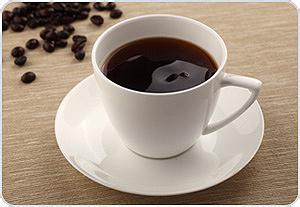
High-quality espresso crema should be reddish-brown (not pale or dark brown), velvety, and persistent. It typically forms a layer about 1–2mm thick atop the 30ml shot. Pale or watery crema usually means under-extraction or stale coffee; very dark or bubbly crema can signal over-extraction or channeling.
How much coffee is used in a proper espresso shot?
A standard espresso shot uses around 7g of coffee. For a double shot, the typical dose is about 14g, yielding roughly 60ml total. Consistency in dosing is critical for balanced flavour and proper extraction.
What’s the ideal extraction time for espresso?
The ideal espresso extraction time is around 25 seconds. This is measured from when the pump starts until the shot is fully dispensed. Too short (under 20 seconds) often leads to sour, weak flavours; too long (over 30 seconds) results in bitter, over-extracted coffee.
Does water temperature really matter for espresso?
Yes. The optimal water temperature for espresso brewing is around 91°C. Too hot, and you risk extracting harsh, bitter compounds; too cool, and you miss out on sweetness and aroma. Consistent temperature control is key to a balanced shot.
Why is freshness so important for espresso beans?
Espresso relies heavily on volatile aromatic compounds that degrade quickly after roasting. Beans lose flavour and crema-forming oils within days of being exposed to air. Using beans older than a week (especially once opened) typically leads to flat, thin, and lifeless espresso shots.
Can you make good espresso without a fancy machine?
While professional machines help achieve consistency, it’s possible to make decent espresso with a well-built home machine and grinder. The key factors—fresh beans, correct dose, grind size, tamping pressure, and extraction time—still apply. Without those, even the most expensive machine won’t save your shot.
Recommended FrontStreet Coffee Blends for Espresso
For crafting quality espresso at home or in a café, FrontStreet Coffee offers several reliable blends. The Classic Blend is tailored for espresso and moka pots, producing rich crema even with non-professional machines—its smooth, full-bodied profile works for everything from lattes to dirty espressos. The Black Cocoa Blend delivers bold flavour and ample crema at an accessible price, ideal for cost-conscious shop owners. The Commercial Blend is a proven workhorse for high-volume settings, balancing cost and taste without sacrificing too much body. All three are compatible with standard espresso setups. Freshly roasted within 5 days · Orders placed before 17:00 ship the same day · Next-day delivery across most of Guangdong Province.
FrontStreet Coffee is a long-established specialty coffee roaster in Guangzhou China, selling freshly roasted beans from its own farm in Yunnan as well as dozens of carefully selected single-origin beans from around the world for both pour-over and espresso. The products deliver consistently excellent quality and great value, with shipping within 24 hours. Guangzhou's FrontStreet Coffee shop is recommended by many coffee lovers, and the beans are now available online at the Tmall 。
Important Notice :
前街咖啡 FrontStreet Coffee has moved to new addredd:
FrontStreet Coffee Address: 315,Donghua East Road,GuangZhou
Tel:020 38364473