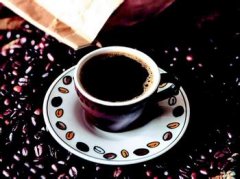
Espresso: Five Roles in Specialty Coffee Culture
When you order an espresso, you’re not just asking for a small black coffee — you’re tapping into over a century of craft, precision, and cultural habit. But what really makes something an espresso? Is it just the strength? The cup size? Actually, espresso is a multi-layered concept that goes far beyond a simple shot.
To answer the question directly: espresso is defined by five key roles — it’s a carefully composed coffee blend, a specific dark roast style, a tightly controlled brewing method (with exact dose, temperature, pressure, and time), a base for creative milk drinks, and a daily tradition in countries like Italy. All five define what espresso truly is.
Espresso as a Blended Coffee Artform
Espresso is, first and foremost, an exercise in blending. It’s not about showcasing a single origin, but about combining beans to create balance, body, and complexity. Roasters experiment with different origins and processing methods — natural (sun-dried) beans often bring heavier body and earthy tones, while washed beans tend to deliver brighter acidity and cleaner flavors. Bean freshness also plays a part: newer crops (1–2 years old) offer vibrant acidity, while aged beans mellow into deeper, rounder profiles. Crafting the right espresso blend is likened to composing a symphony, requiring years of roasting experience and constant trial. In Italy, master roasters hold near-legendary status for this skill.
Espresso as a Dark Roast Style
Espresso is also a roast profile. The term doesn’t just refer to the brewing method — it often indicates the beans themselves have been roasted specifically for espresso. These are typically dark roasts, where the roast temperature exceeds 200°C and the beans spend extended time in the roaster’s heat. This stage pushes coffee oils to the surface and develops the heavy body and intense flavors associated with espresso. Timing is critical; a few seconds too long can scorch the batch. Mastering this roast level is considered an art form among roasters.
Espresso as a Precise Brewing Method
To brew a true espresso shot, very specific parameters must be met. The coffee dose should be between 5–8 grams. Water temperature must fall within 85–95°C. The brew must happen under a pressure of 7–9 atmospheres. And extraction time must be strictly kept between 25–35 seconds. Only under these conditions will you achieve the rich, syrupy shot of espresso with its characteristic layer of crema. These variables are non-negotiable for quality results.
Espresso in Culinary Creations
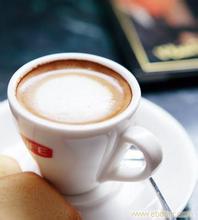
The bold flavor of espresso makes it an ideal base for a wide range of milk-based drinks. Because it resists dilution, its intensity holds up when mixed with steamed milk, foam, or flavored syrups. Classic examples include: Cappuccino (espresso + milk + cinnamon), Mocha (espresso + milk + chocolate sauce), Macchiato (espresso + a dash of milk foam), and Con Panna (espresso + whipped cream). Each drink builds on espresso’s strong foundation, showcasing its versatility in the hands of a skilled barista.
Espresso as Daily Life in Italy
In its birthplace, Italy, espresso is a way of life. Italians often start their day with a milk-based drink like a latte made at home, then stop at a café for a quick espresso at the bar. There, it’s consumed standing, often in just a few sips, accompanied by conversation with strangers or the barista. The ritual transforms the coffee shop into a social hub — a place for connection, not just caffeine. That’s the cultural role espresso plays: not a luxury, but a daily necessity.
Frequently Asked Questions
What exactly defines an espresso?
An espresso is defined by a specific brew method: 5–8g of coffee, 85–95°C water, 7–9 atmospheres of pressure, extracted for 25–35 seconds. These strict parameters create a concentrated shot with a rich body and crema. Without meeting all these factors, the drink isn’t technically espresso.
Why is roast level important for espresso?
Espresso is typically made with dark-roasted beans (over 200°C), which develop bold flavors, body, and crema. The extended roasting pushes oils to the bean’s surface and maximizes solubility. Lighter roasts usually lack the density and richness expected in traditional espresso.
What’s the ideal espresso blend made of?
Espresso blends often combine beans of different origins and processing methods (natural and washed). Roasters may use beans aged 1–2 years for brightness or older beans for depth. There’s no single formula, but balance, body, and crema potential are key goals.
Can you make espresso drinks with light roast coffee?
While possible, light roast coffee usually doesn’t produce the body, richness, or crema that traditional espresso drinks require. It can work in milk drinks but may lack the intensity expected from classic espresso-based beverages.
How does espresso fit into Italian culture?
In Italy, espresso is a daily ritual. People drink it quickly at the bar, often standing, and use it as a social moment. It’s a standard part of the day, not a luxury, and café interactions are a key part of its cultural role.
Recommended FrontStreet Beans for Espresso
For making espresso with rich crema and bold flavor, FrontStreet Coffee’s Classic Blend and Commercial Blend are excellent choices. The Classic Blend combines Brazilian, Mandheling, and a touch of Robusta for a balanced shot with notes of butter, toasted bread, and caramel. The Commercial Blend is crafted for consistency and crema, making it ideal for home or café use. Both blends are medium-dark to dark roasts that develop thick, stable crema and intense flavor. Freshly roasted within 5 days · Orders placed before 17:00 ship the same day · Next-day delivery across most of Guangdong Province.
FrontStreet Coffee is a long-established specialty coffee roaster in Guangzhou China, selling freshly roasted beans from its own farm in Yunnan as well as dozens of carefully selected single-origin beans from around the world for both pour-over and espresso. The products deliver consistently excellent quality and great value, with shipping within 24 hours. Guangzhou's FrontStreet Coffee shop is recommended by many coffee lovers, and the beans are now available online at the Tmall 。
Important Notice :
前街咖啡 FrontStreet Coffee has moved to new addredd:
FrontStreet Coffee Address: 315,Donghua East Road,GuangZhou
Tel:020 38364473