How to Evaluate a Good Espresso Shot
If you’ve ever been handed a shot of espresso that looked thin, smelled burnt, or tasted overly bitter, you’ve probably wondered: how can you tell if it’s any good? Unlike filter coffee, espresso is compact, intense, and unforgiving—every flaw shows up fast. Whether you’re pulling shots at home or judging your local café, knowing what separates a great espresso from a poor one is essential.
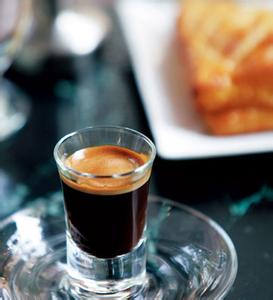
To judge a proper single espresso, look for a 25-second extraction yielding about one ounce (30ml) of liquid. The crema should be 4–5cm thick, caramel to light brown in color, and cling to the cup when tilted. Aroma should be rich without burnt notes, and extraction issues show clearly in crema behavior.
What Is Espresso Supposed to Look Like?
The classic single espresso shot is defined by both its volume and brew time. A properly extracted single espresso uses around 7–9 grams of finely ground coffee, produces roughly 30 milliliters (1 fluid ounce) of liquid, and takes about 25 seconds from start to finish. This standard isn’t arbitrary—it reflects the balance of resistance, flow rate, and extraction yield needed to develop the full range of flavors locked in the coffee grounds.
Crema: The Visual & Textural Indicator
One of the defining features of a well-brewed espresso is its crema—the reddish-brown foam that sits atop the shot. This crema, also referred to as the espresso's “collar,” is formed by emulsified coffee oils, carbon dioxide, and tiny air bubbles forced out during the high-pressure extraction. Good crema should be uniform in color, have a thickness of at least 4 centimeters (with 3–5cm being ideal), and exhibit a texture similar to warm syrup. When you swirl the cup, it should cling noticeably to the sides. If it’s easily disrupted or blows away with a light breath, that’s a red flag.
Color matters, too. Pale or white-topped crema often means the coffee beans are stale. Deep brown or black crema with uneven flow—like spurts or drips—signals over-extraction due to excessive brew pressure or overly fine, tightly packed coffee. In contrast, thin, pale crema suggests under-extraction, likely caused by grind that’s too coarse or puck prep that’s too loose.
What Should a Good Espresso Smell Like?
Aroma is your first sensory clue to espresso quality. A properly extracted shot should release a complex, inviting scent—notes of caramel, dark chocolate, nuts, or fruit depending on the beans—without any sharp or acrid tones. If your espresso smells burnt, ashy, or overly smoky, it’s almost certainly over-extracted. That harsh aroma comes from excessive heat or prolonged contact time breaking down the coffee’s organic compounds into unpleasant volatile chemicals.
Why Crema Changes With Brew Conditions
The appearance and behavior of the crema offer clues about what went right—or wrong—during extraction. If the shot flows too quickly and the crema is sparse, faded yellow, or nearly absent, the brewing pressure was likely too low. That usually points to a grind that’s too coarse, puck density that’s uneven, or tamping that’s too light. On the other hand, if the espresso pours unevenly, with dark, thick crema breaking into spurts or even dripping inconsistently, pressure is probably too high. That often results from an overly fine grind, an excessively compressed puck, or a machine that’s pushing too hard through the coffee bed. In both cases, the root issue is improper resistance in the coffee puck, which alters flow rate and extraction balance.
How to Tell When Espresso Goes Wrong
Certain visual and aromatic cues instantly reveal common espresso mistakes. Over-extraction often leads to bitter, hollow flavors and a crema that turns dark brown or black with poor stability. Under-extraction results in sour, weak shots with thin, pale crema and fast runoff. Burnt aromas mean the coffee was exposed to too much heat or extracted too long. Freshness plays a role, too: older beans lose CO₂ and produce thin, unstable crema that breaks apart quickly. Each of these symptoms points to a specific failure in grind size, dose, tamp, water temperature, or machine pressure.
Frequently Asked Questions
What is the ideal espresso shot volume and brew time?
A standard single espresso should yield about 30 milliliters (1 fluid ounce) of liquid extracted over roughly 25 seconds. This time and volume combination is widely regarded as the benchmark for balanced flavor extraction in espresso.
How thick and what color should good crema be?
High-quality crema should be between 4 and 5 centimeters thick, with a color ranging from light caramel to medium brown. It should look smooth, cling to the cup when tilted, and not dissipate instantly.
What does pale or white crema indicate?
Pale or white-colored crema usually means the coffee beans are stale or the shot was under-extracted. It often goes along with thin texture and fast flow, signaling that the coffee wasn’t fresh or the extraction parameters were too light.
What causes dark or black crema?
Dark or black crema, especially if it pours unevenly or in spurts, usually indicates over-extraction or too much brewing pressure. It often results from a grind that’s too fine, puck prep that’s too tight, or excessive extraction time.
Why does my espresso smell burnt?
A burnt or overly smoky aroma typically means the espresso was over-extracted, the temperature was too high, or the beans were roasted too dark. It’s a sign that desirable aromatics broke down into unpleasant compounds during brewing.
Does crema thickness really matter?
Yes. Crema thickness is a key visual indicator of extraction quality. Thin or unstable crema often reflects issues like stale beans, incorrect grind size, poor puck prep, or wrong brewing pressure—all of which affect flavor and mouthfeel.
Recommended FrontStreet Beans for Espresso
For a reliable espresso experience, try FrontStreet Coffee’s Commercial Blend, which delivers a balanced profile with chocolate and nutty undertones ideal for classic milk drinks. Their Specialty Blend highlights bright acidity with caramel and citrus notes, perfect for those who enjoy a more dynamic shot. Both blends produce consistent crema and are roasted to medium-dark levels to enhance body and richness. Freshly roasted within 5 days · Orders placed before 17:00 ship the same day · Next-day delivery across most of Guangdong Province.
FrontStreet Coffee is a long-established specialty coffee roaster in Guangzhou China, selling freshly roasted beans from its own farm in Yunnan as well as dozens of carefully selected single-origin beans from around the world for both pour-over and espresso. The products deliver consistently excellent quality and great value, with shipping within 24 hours. Guangzhou's FrontStreet Coffee shop is recommended by many coffee lovers, and the beans are now available online at the Tmall 。
Important Notice :
前街咖啡 FrontStreet Coffee has moved to new addredd:
FrontStreet Coffee Address: 315,Donghua East Road,GuangZhou
Tel:020 38364473