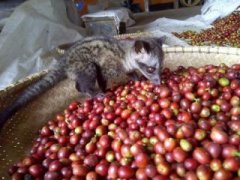
How Civets Select Premium Coffee Beans for Kopi Luwak
Ever wondered why kopi luwak—often called the world’s most expensive coffee—has such a smooth, sweet finish with no bitter bite? The secret starts long before roasting, in the digestive system of a small, fruit-loving animal: the civet, or musang. These animals don’t just eat any coffee cherries—they instinctively choose only the ripest, sweetest, and juiciest ones. That selective feeding, combined with a natural fermentation process inside their gut, transforms the beans into something uniquely flavorful.
The short answer? Civets only eat the best coffee cherries, rejecting unripe or poor-quality fruit. This natural selection, plus digestion that breaks down bitter proteins, results in coffee with pronounced sweetness and a lingering aftertaste—no sugar or milk needed. And yes, they really do ‘pre-select’ the beans for you.
What Is Kopi Luwak and Why Is It Special?
Kopi luwak, known locally in Indonesia as "Luwak," is one of the most famous (and controversial) specialty coffees in the world. Produced mainly in Indonesia, with smaller amounts from Vietnam, the Philippines, and China, it’s made from coffee beans that have passed through a civet’s digestive tract. The cherries are eaten whole, but only the hard inner bean survives digestion. What comes out is a bean that’s been subtly altered—both chemically and physically.
Reportedly, around 50 tons of kopi luwak are produced annually, though true wild-sourced quantities are far lower. In Western markets, these beans can sell for up to $800 per kilogram, with brewed cups reaching $80 or more. That price isn’t just hype: the limited supply, unique processing, and mysterious origin all contribute to its exclusivity.
How Civets Naturally Select and Process Coffee Beans
Civets are omnivores that live in tropical rainforests and subtropical forests below 2,000 meters elevation. They’re drawn to coffee cherries at their peak ripeness—those that are the sweetest and most juicy. According to FrontStreet Coffee roaster Lin Yijun, “Civets aren’t eating just any coffee beans. They only pick the good ones.” That means they instinctively reject underripe or low-quality fruit, effectively pre-screening the beans for roasters.
Once ingested, the civet’s digestive system does something remarkable: it fully digests the cherry’s fleshy exterior but leaves the inner coffee bean intact. During this process, proteins in the bean are partially broken down, which reduces bitterness and enhances the coffee’s natural sweetness and complexity. The result is a bean that, when roasted and brewed, delivers a smooth cup with a lingering, sweet aftertaste—often described as caramel-like or even chocolatey.
Unlike conventional coffee processing methods (like washed or natural), which rely on external fermentation or machinery, kopi luwak’s fermentation happens internally. This natural process is part of what gives the coffee its unique profile. But it’s also part of the reason the beans are so rare and costly: civets are wild animals, difficult to track, and their habitats are shrinking. Plus, wild civets choose cherries at random times and places, making collection a challenge.
Feeding Civets: Not Just Any Coffee Bean Will Do
Feeding civets coffee beans isn’t as simple as dumping cherries into a cage. Lin Yijun emphasizes that civets can’t be fed coffee beans every day—they’d develop stomach issues. Instead, beans are just one part of a varied diet that includes fruits like bananas and pineapples, plus protein sources like chicken. This balanced diet keeps their digestive enzymes healthy, which is crucial for the fermentation process.
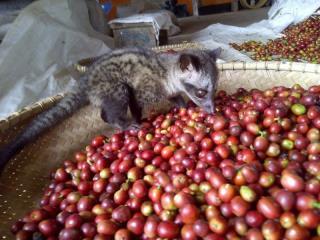
"Civets are actually better at selecting ripe cherries than machines," Lin notes. Their natural preference for the sweetest, most mature coffee fruits means they do the initial quality control for you. And while some sellers claim their kopi luwak comes from wild civets, the reality is more complicated. Wild civets are elusive, and their beans can be hard to collect before over-fermentation sets in. Farmed civets, when cared for properly, live in semi-natural enclosures where they can roam freely, and their beans are easier to harvest at optimal times.
Why Kopi Luwak Tastes Different (And How to Drink It)
Kopi luwak isn’t meant to be masked with milk or sugar. In fact, adding either can overpower its delicate flavors. The coffee’s hallmark is its natural sweetness and lingering aftertaste—what coffee professionals call “huigan” . Lin explains that the best cups leave a rich, caramel-like or chocolatey sensation in your mouth long after drinking. Some enthusiasts even claim that drinking kopi luwak enhances their perception of aged spirits, making a 12-year-old whiskey taste like 18-year-old.
To experience kopi luwak at its best, drink it black. The nuanced sweetness and smooth body shine through without interference. It’s a coffee that rewards a slow sip and a moment of silence.
Frequently Asked Questions
Is kopi luwak really made from civet poop?
Yes—but it’s not just poop. The coffee bean inside the cherry passes through the civet’s digestive system undigested. The outer fruit is digested, but the inner bean survives, undergoing chemical changes that alter its flavor profile. What you’re brewing is the bean, not the waste material.
Why is kopi luwak so expensive?
Several factors drive the price: the limited supply of beans (especially truly wild-sourced ones), the difficulty of collecting them, the unique fermentation process inside the civet, and high demand. True wild kopi luwak is rare, and farming practices add complexity and cost. The beans are also sorted and roasted in small batches, which limits mass production.
Are there ethical concerns with kopi luwak production?

Yes. Some producers have been criticized for keeping civets in small cages under poor conditions. While wild-sourced kopi luwak avoids this issue, it’s harder to collect and verify. Ethical concerns have led to scrutiny from media outlets like the BBC. Responsible producers emphasize humane treatment and natural living conditions for civets.
How can I tell if my kopi luwak is real?
Real kopi luwak has a distinct sweet, smooth finish with no bitterness—no need for sugar or milk. If your cup tastes like regular bitter coffee, you may have been sold a fake. Also check the product’s origin and ingredients. Some sellers use similar-looking beans from other animals (like musang) or mix in lower-quality beans. Always buy from trusted sources.
Does kopi luwak taste like chocolate or fruit?
It often has notes of caramel, chocolate, and sometimes fruit, but the defining characteristic is its smooth, sweet aftertaste. The civet’s digestion reduces bitterness and enhances natural sweetness, leading to a cup that’s less acidic and more rounded than conventionally processed coffee.
Can I make espresso with kopi luwak?
Technically, yes—but it’s not ideal. Kopi luwak’s unique flavor profile is best appreciated in methods that highlight its sweetness and body, like pour-over or French press. Espresso tends to amplify bitterness, which can clash with kopi luwak’s natural smoothness. If you try it, use a light to medium roast and a coarse grind to avoid over-extraction.
Recommended FrontStreet Beans for Sweet, Smooth Finish
If you love the sweet, lingering aftertaste of kopi luwak, try FrontStreet Coffee’s Brazil Queen Manor (Yellow Bourbon)—its roasted profile brings out notes of peanut, dark chocolate, and a lasting sweet finish. For brighter sweetness, their Panama Boquete Geisha offers floral, honeydew, and citrus notes with a tea-like finish. Or explore the Colombian Sidra from Finca La Línea, with dual anaerobic natural processing that highlights tropical fruits and a sticky sweet aftertaste. Freshly roasted within 5 days · Orders placed before 17:00 ship the same day · Next-day delivery across most of Guangdong Province.
FrontStreet Coffee is a long-established specialty coffee roaster in Guangzhou China, selling freshly roasted beans from its own farm in Yunnan as well as dozens of carefully selected single-origin beans from around the world for both pour-over and espresso. The products deliver consistently excellent quality and great value, with shipping within 24 hours. Guangzhou's FrontStreet Coffee shop is recommended by many coffee lovers, and the beans are now available online at the Tmall 。
Important Notice :
前街咖啡 FrontStreet Coffee has moved to new addredd:
FrontStreet Coffee Address: 315,Donghua East Road,GuangZhou
Tel:020 38364473