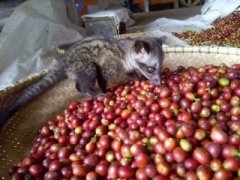
Why Kopi Luwak Coffee Beans Are Selectively Eaten by Civets
Kopi Luwak, often dubbed the world’s most expensive coffee, isn’t just rare—it’s controversial. But there’s one detail most people miss: the civets aren’t just random coffee drinkers. They instinctively choose only the ripest, sweetest coffee cherries to eat. That selective feeding plays a big role in why the resulting coffee tastes the way it does.
The short answer? Civets only eat the most mature, juicy coffee fruits—those with the best natural sugars and flavors—effectively pre-selecting premium beans for you. This natural sorting, along with the unique fermentation in their digestive tract, is what gives Kopi Luwak its distinctive smoothness and lingering sweetness.
What Is Kopi Luwak and Why Is It So Special?
Kopi Luwak, or “civet coffee” in Indonesian, is made from coffee beans that have passed through the digestive system of the Asian palm civet, a small, cat-like mammal. These civets live in tropical forests below 2,000 meters in places like Indonesia, Vietnam, the Philippines, and China. What makes Kopi Luwak unique is not just the animal involved, but how the coffee beans are processed. The civet eats the coffee cherry but only digests the fruit’s outer pulp. The coffee bean inside remains intact and is excreted.
This natural fermentation inside the civet’s gut breaks down some of the bean’s proteins, which are a major source of bitterness in regular coffee. The result is a cup with reduced bitterness, a smoother mouthfeel, and a richer, more complex flavor profile with notes of caramel, chocolate, and sometimes even fruity undertones.
How the Civet Chooses Its Coffee Cherries
Contrary to the assumption that civets eat any coffee fruit, they are actually quite selective. According to FrontStreet Coffee roaster Lin Yijun, who has worked with civet coffee beans in Indonesia, “The civet is not going to eat just any bean. It picks only the ripest, sweetest, and juiciest coffee cherries.” In other words, the civet acts as a natural quality control agent, choosing the best beans before humans even get involved.
This selectivity means that the beans collected from civet droppings are already pre-screened for ripeness and sugar content—factors that greatly influence the final cup quality. It’s a form of natural sorting that no machine or human can perfectly replicate.
How Kopi Luwak Coffee Is Actually Made
The process begins when a civet eats coffee cherries. Inside the civet’s digestive tract, enzymes and gastric acids break down the fruit’s flesh but leave the inner coffee bean untouched. After roughly 24 to 48 hours, the bean is excreted. These beans are then collected, cleaned, and roasted.
Unlike conventional coffee processing methods—such as washed or natural—that rely on external fermentation or drying, Kopi Luwak relies on internal digestion. This unique fermentation is believed to mellow the beans’ inherent bitterness and enhance their sweetness and complexity. The challenge is that civets roam wild and unpredictably, making consistent collection difficult. Their declining population also adds to the coffee’s rarity and cost.
Feeding Civets: It’s More Complicated Than It Looks
It might sound simple—just feed civets coffee cherries—but there’s a science to it. Lin Yijun explains that civets can’t be fed coffee beans every day or they’ll develop stomach issues. Instead, the beans are part of a varied diet that includes bananas, pineapples, other fruits, and chicken. This diverse intake helps maintain healthy gut enzymes, which are essential for the desired fermentation effects during digestion.

“Civets are smarter than you think,” she says. “They instinctively choose only the best beans—those that are fully ripe and at peak sweetness. That means they’re doing a better job selecting beans than most machines or harvesters.”
What Does Kopi Luwak Taste Like?
Kopi Luwak isn’t your typical coffee. It’s known for its smooth, almost syrupy body and a distinct lack of bitterness. The highlight, according to experts, is its “lingering aftertaste”—a sweet, caramel-like sensation that stays in your mouth long after drinking. Lin Yijun warns, “If you’re used to adding sugar or milk to your coffee, you won’t appreciate Kopi Luwak. Its charm lies in its natural sweetness and complexity.”
She adds that the aftertaste can even enhance other experiences. “Some customers say that after drinking Kopi Luwak, even a 12-year-old wine seems to taste like it’s aged 18 years. That’s the power of a clean, sweet finish.”
The Dark Side: Animal Welfare Concerns
Despite its luxury status, the production of Kopi Luwak has faced serious ethical scrutiny. A BBC investigation revealed that some so-called “wild civet” coffee actually comes from civets kept in cramped cages under unnatural conditions. These animals are force-fed coffee cherries and live in distressing environments—a far cry from the free-roaming creatures that naturally select and process the beans.
Teguh Pribadi, founder of the Indonesian Civet Coffee Association, claims such abuse isn’t widespread, but cases have been documented. Former civet farmer Lin Yijun argues that well-treated civets living in semi-wild, natural enclosures produce better beans. “A healthy civet in a good environment gives better-quality droppings. Farmers rely on these animals—they wouldn’t risk mistreating them.”
The Problem of Fake Kopi Luwak
Because of the high price, counterfeit Kopi Luwak is rampant. Indonesian media have reported cases where farmers use a similar local animal called the musang (a type of wild cat) to produce coffee beans that are then sold as genuine civet coffee. Musangs are cheaper to feed and larger, but their digestive output doesn’t match the quality of true civet-processed beans. The result? A flood of fake “Kopi Luwak” on the market.
Lin Yijun advises buyers to always check the origin and ingredients. “If your coffee tastes like normal bitter coffee without any sweetness or smooth finish, you’ve probably been sold a fake.”
Frequently Asked Questions
What is Kopi Luwak coffee?

Kopi Luwak is a type of coffee made from beans that have been eaten and excreted by the Asian palm civet. The digestive process removes the cherry’s flesh but leaves the bean intact, which is then collected, cleaned, and roasted. The result is a coffee with reduced bitterness and a unique flavor profile.
Why do civets only eat certain coffee cherries?
Civets instinctively choose the ripest, sweetest, and most mature coffee cherries to eat. These cherries typically have higher sugar content and better overall quality, which contributes to a smoother and more flavorful coffee bean after digestion.
How does civet digestion affect the coffee beans?
When civets digest coffee cherries, enzymes in their stomach break down the fruit’s pulp but leave the coffee bean unchanged. This process reduces the beans’ protein content, which is a major contributor to bitterness, resulting in a smoother, sweeter, and more complex cup of coffee.
Is Kopi Luwak ethically produced?
There are ethical concerns surrounding Kopi Luwak production. While some civets are wild and forage naturally, others are kept in cages and force-fed, leading to poor living conditions. Ethical consumers should research the source and ensure the civets are treated humanely.
How can you tell if Kopi Luwak is real or fake?
Real Kopi Luwak has a distinct sweet, smooth finish with no bitter aftertaste. If your coffee tastes like standard bitter coffee, it’s likely fake. Always check the origin and buy from trusted suppliers. Beware of cheaper imitations made from beans excreted by similar animals like the musang.
What does Kopi Luwak taste like?
Kopi Luwak is known for its low bitterness, rich mouthfeel, and complex flavors, often including notes of caramel, chocolate, and fruit. The standout characteristic is a long-lasting sweet aftertaste, sometimes compared to caramel or dark chocolate.
Recommended FrontStreet Beans with Sweet, Lingering Finish
Try the FrontStreet Brazil Queen Manor coffee, made from rare Yellow Bourbon beans, offering a smooth profile with sweet notes that develop after the initial roast flavors fade—perfect for appreciating a natural sweetness akin to Kopi Luwak. The FrontStreet PWN Golden Mandheling delivers a deep, clean cup with lasting nutty richness and a notably long finish. For fruit-forward sweetness, the FrontStreet Strawberry Candy Espresso blends Geisha genetics with notes of grape, citrus, and a lasting sweet tea-like aftertaste. Freshly roasted within 5 days · Orders placed before 17:00 ship the same day · Next-day delivery across most of Guangdong Province.
FrontStreet Coffee is a long-established specialty coffee roaster in Guangzhou China, selling freshly roasted beans from its own farm in Yunnan as well as dozens of carefully selected single-origin beans from around the world for both pour-over and espresso. The products deliver consistently excellent quality and great value, with shipping within 24 hours. Guangzhou's FrontStreet Coffee shop is recommended by many coffee lovers, and the beans are now available online at the Tmall 。
Important Notice :
前街咖啡 FrontStreet Coffee has moved to new addredd:
FrontStreet Coffee Address: 315,Donghua East Road,GuangZhou
Tel:020 38364473