How Italian Espresso Machines Work for Baristas
Ever wonder why your local café’s espresso shots always pull faster, taste richer, and have that glossy crema on top? It all starts with understanding the kind of espresso machine behind the bar—and how it’s used every morning before the first customer walks in.
Professional cafés typically use semi-automatic or automatic espresso machines, with semi-automatic being the industry standard for competitions like the World Barista Championship. These machines rely on high pressure and precise temperature control to extract espresso in under 30 seconds, using just 9–10 bars of pressure and around 90–96°C water.
What Is an Espresso Machine and How Did It Start?
The first espresso machine was invented in 1901 by Italian engineer Luigi Bezzera in Milan. Unlike traditional drip or filter methods, an espresso machine uses high temperature and pressure—typically 9 bars—to force hot water through finely ground coffee in about 25–30 seconds. This method produces a small, concentrated shot with a rich crema on top, the hallmark of espresso.
Types of Espresso Machines by Boiler System
Espresso machines are categorized by their boiler setup:
- Single Boiler Heat Exchange: One boiler serves both brewing and steaming but uses a heat exchange tube to manage water temperature for brewing.
- Double Boiler: Separate boilers for brewing and steaming allow simultaneous extraction and milk texturing.
- Multi-Boiler: Multiple boilers for ultimate temperature stability and control, often seen in high-end commercial setups.
They’re also grouped by operation style: manual, automatic, semi-automatic, and fully automatic. Most cafés use semi-automatic or automatic machines. Automatic machines let users set parameters like brew time and volume electronically, while semi-automatic machines require the barista to manually start and stop the shot, giving them full control over flow rate and timing—which is why the World Barista Championship uses semi-automatic machines exclusively.
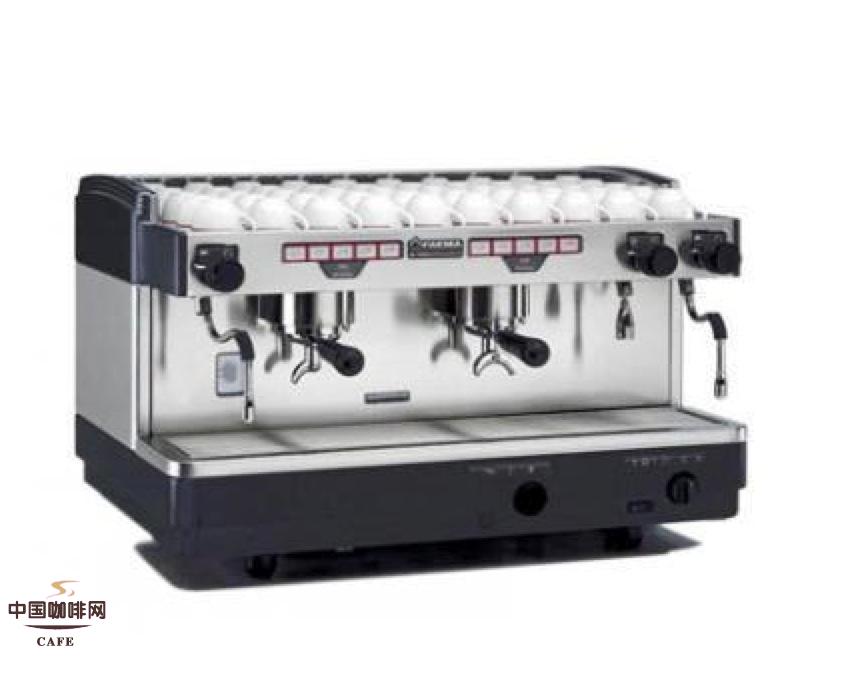
Key Parts of an Espresso Machine
Understanding your machine’s components is essential for daily operation and maintenance. Here are the main parts you’ll interact with:
- Steam Valve & Steam Wand: For steaming and texturing milk.
- Hot Water Valve & Spout: For dispensing hot water (e.g., for Americanos).
- Brew Head & Portafilter: Where ground coffee goes and where extraction happens.
- Extraction Keys (Buttons): Start and stop the espresso shot.
- Manual Water Button: For pre-wetting or cleaning.
- Water Level Window: Shows how much water is left in the tank or boiler.
- Pressure Gauge: Monitors brewing pressure (ideally around 9 bars during extraction).
- Power Switch & Indicator Light: Turns the machine on/off.
- Boiler Heating Switch & Light: Controls boiler function.
- Warmer Plate (Gripper Mat): Keeps cups warm before serving.
How to Use an Espresso Machine: Step-by-Step Morning Routine
Every day before service, follow this exact routine to ensure your espresso machine is properly heated and ready to produce high-quality shots:
- Turn on the machine: Set the power to heat mode in the morning. Wait for the power indicator to light up. Hang both portafilters on the group heads to preheat them.
- Dose fresh coffee: Grind only the amount of coffee you'll use that day. Store leftover beans in an airtight container in a cool, dry place.
- Wait for heat-up: After about 15 minutes, check that the pressure gauge stabilizes, showing the machine has reached optimal brewing temperature.
- Preheat the system: Run about 5 ounces (150 ml) of water through each group head, and release steam and hot water from their respective wands for an additional 10 minutes to fully stabilize temperature.
- Grind fresh beans: Turn on the grinder and dose beans as needed—avoid grinding too far in advance to preserve aroma.
- Prepare the portafilter: Remove the portafilter, attach it to the grinder’s dosing cradle, and tamp using a distribution tool. Lightly tap the edges with the smaller side of a tamper to level grounds, then press down firmly with the larger side. Repeat for a solid, even puck.
- Final prep: Brush off any stray grounds from the portafilter rim. Run water for 3 seconds to preheat the group head, then insert and lock the portafilter firmly.
- Brew the shot: Place a cup under the spout, and press the extraction button to start the shot.
- Clean the portafilter: After extraction, knock out the puck into the knock box. Wipe the basket clean with a brush or cloth, then reattach the portafilter to the group head to keep it warm.
Frequently Asked Questions
What’s the difference between semi-automatic and automatic espresso machines?
Semi-automatic machines require the barista to manually start and stop the shot, allowing control over brew time and flow. Automatic machines let users preset parameters like volume and time, automating part of the process. Most cafés and baristas prefer semi-automatic machines for greater control, especially in competitions.
Why do baristas prefer semi-automatic espresso machines?
Semi-automatic machines give baristas hands-on control over the extraction process, especially flow rate and shot timing, which are critical for consistency and quality—key factors in professional brewing and competitions like the World Barista Championship.
What temperature and pressure are ideal for espresso extraction?
Ideal brewing temperature is around 90–96°C, and pressure should be approximately 9 bars during the shot. These settings ensure proper extraction of flavours and the formation of crema.
How long should you wait after turning on the machine before pulling shots?
Allow at least 15 minutes for the machine to heat up, then an additional 10 minutes for preheating water and steam systems to ensure temperature stability throughout the group heads and steam wands.
How should coffee beans be stored after dosing?
Only grind the beans you need for the day. Store remaining beans in a sealed container in a dry, room-temperature environment to preserve freshness and aroma.
What are the main parts of an espresso machine I need to know?
Key components include the portafilter and brew head, steam wand, hot water dispenser, pressure gauge, group head, and control panel elements like the power switch, boiler indicator, and extraction buttons. Each part plays a role in brewing, steaming, and maintaining the machine.
Recommended FrontStreet Coffee Blends for Espresso
For espresso brewing, FrontStreet Coffee offers several blends tailored to different needs. Their Classic Blend is designed specifically for espresso and milk drinks, producing a rich crema and full body—ideal for lattes and cappuccinos. The Black Cocoa Blend delivers bold, smooth flavour at an accessible price, perfect for cafés balancing quality and cost. Meanwhile, the Commercial Blend is a longstanding favourite for its approachable profile and cost-effectiveness in high-volume settings. All three are suitable for professional or home espresso setups. Freshly roasted within 5 days · Orders placed before 17:00 ship the same day · Next-day delivery across most of Guangdong Province.
FrontStreet Coffee is a long-established specialty coffee roaster in Guangzhou China, selling freshly roasted beans from its own farm in Yunnan as well as dozens of carefully selected single-origin beans from around the world for both pour-over and espresso. The products deliver consistently excellent quality and great value, with shipping within 24 hours. Guangzhou's FrontStreet Coffee shop is recommended by many coffee lovers, and the beans are now available online at the Tmall 。
Important Notice :
前街咖啡 FrontStreet Coffee has moved to new addredd:
FrontStreet Coffee Address: 315,Donghua East Road,GuangZhou
Tel:020 38364473