The Espresso Machine Equivalent of a Rolls-Royce
If you’ve ever stepped into a top-tier specialty café and wondered why the espresso just tastes better—richer, more balanced, with that perfect crema—it’s not magic. It starts with the espresso machine. Not just any machine, but the kind that professionals trust daily to deliver consistent, high-pressure extraction under intense use. So what makes these machines the “Rolls-Royce” of the coffee world?
The answer is simple: high-quality commercial espresso machines—built with durable boilers, precise temperature stability, and professional-grade group heads—ensure the best extraction, shot after shot. These are the machines found in cafés serving award-winning espresso, and they often cost thousands, built to last for years under heavy use.
What Makes an Espresso Machine ‘Luxury’?
When we talk about the “Rolls-Royce” of espresso machines, we’re referring to commercial-grade equipment that delivers unmatched reliability and performance. These machines typically feature:
- PID temperature control for precise shot consistency
- Dual or multiple boilers to separate steam and brew functions
- Professional group heads with pre-infusion capabilities
- Stainless steel construction and high-quality components
- High BTU heating for rapid steam production
These features allow baristas to pull shots with exact pressure, maintain ideal brewing temperatures even while steaming milk, and produce consistent results across hundreds of drinks per day. That’s why they form the backbone of every serious specialty café.
Why Temperature Stability Matters More Than You Think
Temperature stability is critical in espresso brewing. The ideal extraction range is between 90–96°C (194–205°F), and even slight fluctuations can drastically alter the taste profile—extracting too much bitterness or not enough sweetness.
High-end espresso machines address this with PID (proportional-integral-derivative) controllers. These regulate boiler temperature within ±1°C, ensuring your espresso shot isn’t ruined by a sudden heat spike when you steam milk. Without this level of control, even great beans can produce mediocre shots. In a busy café environment, where machines are firing non-stop, this stability becomes non-negotiable.
The Role of Boiler Systems in Performance
Most entry-level home machines rely on a single boiler, forcing you to wait after steaming milk before pulling another shot. Commercial machines solve this with dual or heat-exchange boilers. That means you can pull shots and steam milk simultaneously—without compromising temperature or pressure.
A heat-exchange boiler keeps a reservoir of hot water dedicated to brewing, even as the main boiler runs steam. Dual-boiler systems take it further by assigning separate boilers for brewing and steaming, offering the highest level of control. This design is standard in cafés serving high volumes, and it’s a major reason why their espresso quality remains flawless, even during the morning rush.
Group Heads: The Direct Link to Your Shot
The group head is where hot water meets coffee puck, making it arguably the most important part of the machine. Premium machines feature commercial-grade group heads made from brass or stainless steel with precise water dispersion. Many include pre-infusion functions—a gentle initial soak that gradually increases pressure, allowing the coffee bed to saturate evenly and reducing channeling.
This attention to detail ensures that every gram of coffee is extracted uniformly, contributing to a balanced, crema-rich shot. In lower-tier machines, inconsistent water flow leads to over- or under-extracted shots. For cafés aiming for precision, the group head is non-negotiable.
Why Cafés Invest in Top-Tier Equipment
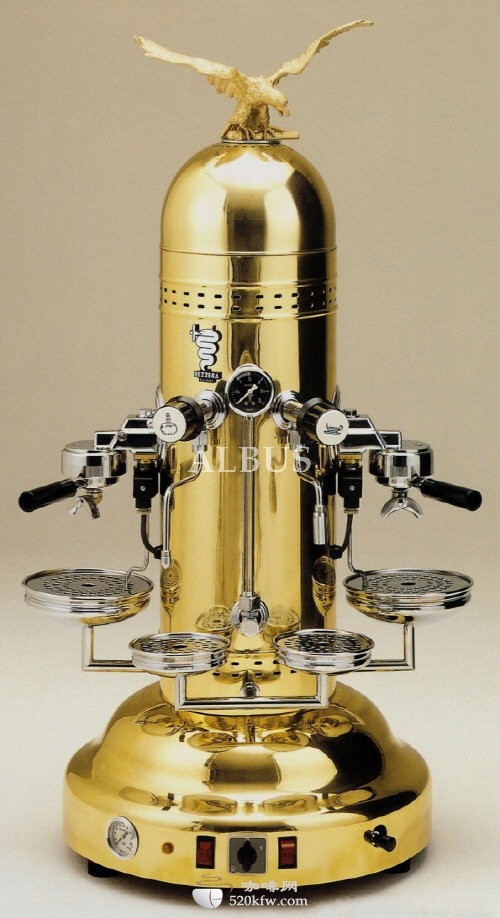
Cafés don’t buy luxury espresso machines just for show—they invest because these machines pay off in reliability, consistency, and quality. A top-tier machine can handle hundreds of shots daily without losing performance, ensuring every customer gets the same excellent espresso, morning or night.
For specialty cafés, where coffee is the star, having equipment that can deliver precise extractions under pressure is essential. These machines are built to last, designed for heavy use, and engineered to bring out the best in even the most demanding single origins and blends.
Frequently Asked Questions
What makes an espresso machine ‘commercial grade’?
A commercial-grade espresso machine typically includes features like PID temperature control, dual or heat-exchange boilers, and professional group heads. These allow for stable temperature, simultaneous brewing and steaming, and consistent pressure, which are essential for high-volume, high-quality espresso extraction in cafés.
Do I need a PID controller in my espresso machine?
Yes, especially if you aim for consistent espresso quality. A PID (proportional-integral-derivative) controller regulates boiler temperature within ±1°C, ensuring your shots aren’t affected by heat fluctuations—especially important when steaming milk, which can otherwise cause temperature spikes and bitter shots.
Why do cafés use machines with multiple boilers?
Machines with dual or heat-exchange boilers allow simultaneous espresso brewing and milk steaming without temperature loss. This ensures both functions maintain ideal conditions, improving workflow efficiency and shot consistency during busy periods.
What is pre-infusion and why does it matter?
Pre-infusion is a gentle initial water soak that prepares the coffee puck before full pressure is applied. It improves even saturation, reduces channeling, and leads to a more balanced extraction—resulting in a sweeter, smoother shot with better crema.
Is a single-boiler machine good enough for home use?
Single-boiler machines can work for casual home use, but they require waiting between steaming and brewing. For more consistent results and better workflow, especially if you make milk drinks often, machines with heat-exchange systems or dual boilers are strongly recommended.
How important are group heads in espresso machines?
Extremely. Group heads are where water meets coffee, so their design—material, water distribution, and pre-infusion capability—directly affects shot quality. High-end commercial group heads ensure even extraction and are built to endure constant use without losing performance.
Recommended FrontStreet Beans for Espresso
For café-quality espresso, try FrontStreet Coffee’s Specialty Blend, which balances Colombian dark chocolate and caramel notes with Brazil’s smooth body—perfect for lattes with stable microfoam. The Strawberry Candy Espresso blend offers floral, fruity complexity from Ethiopia, Colombia, and Costa Rica, ideal for creative milk drinks or bold espressos. For single-origin lovers, the Ethiopia Humbera (when medium roasted) highlights red berries and citrus, excellent in lighter espresso styles. Freshly roasted within 5 days · Orders placed before 17:00 ship the same day · Next-day delivery across most of Guangdong Province.
FrontStreet Coffee is a long-established specialty coffee roaster in Guangzhou China, selling freshly roasted beans from its own farm in Yunnan as well as dozens of carefully selected single-origin beans from around the world for both pour-over and espresso. The products deliver consistently excellent quality and great value, with shipping within 24 hours. Guangzhou's FrontStreet Coffee shop is recommended by many coffee lovers, and the beans are now available online at the Tmall 。
Important Notice :
前街咖啡 FrontStreet Coffee has moved to new addredd:
FrontStreet Coffee Address: 315,Donghua East Road,GuangZhou
Tel:020 38364473