What Is Espresso Machine Pre-Infusion and How Does It Work?
When you pull an espresso shot, your goal is a balanced shot with rich crema, clear flavors, and a stable flow. But if your machine dumps hot water onto tightly packed coffee all at once, the result can be channeling, uneven extraction, and sour or bitter shots. One often overlooked but essential step—pre-infusion—can make or break your espresso quality.
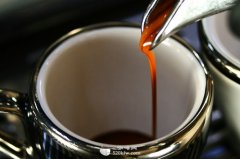
Pre-infusion is the brief period when a small amount of low-pressure hot water first wets the coffee puck to release carbon dioxide and allow even compaction before the full 9-bar brew pressure begins. Most systems apply this gentle soak for around 5–10 seconds.
What Exactly Is Pre-Infusion?
Pre-infusion means applying a short burst of low-pressure hot water to your coffee puck before switching to full 9-bar extraction. This step hydrates the coffee grounds evenly, lets trapped CO₂ escape, and allows the puck to settle. The result is more uniform extraction, better crema formation, and fewer channeling issues during the main brew phase. It does not soak the entire puck deeply—just the surface layer gets wet initially.
The Origins of Pre-Infusion in Espresso Machines
Pre-infusion isn’t a modern invention. It’s been part of espresso brewing since the very beginning. Early lever machines naturally pre-infused coffee. When a barista pulled the lever down, hot water entered the brew chamber and soaked the coffee puck before pressure built. The barista held the lever until the desired pre-infusion time passed, then released it, letting the spring-driven piston pressurize the puck to around 9 bar for extraction. These systems didn’t need manual pressure relief because spring tension dropped significantly by the end of the stroke.
How the E61 Grouphead Handles Pre-Infusion
The E61 grouphead, introduced in the 1960s, brought pre-infusion into modern machines without relying solely on mechanical springs. Inside the E61 is a piston and spring system that gradually increases pressure in the brew chamber. As a result, water doesn’t slam into the coffee puck at full force right away—it ramps up slowly, achieving a natural pre-infusion effect. Notably, the E61 has no electric solenoid valve. Instead, the barista manually releases pressure via a lever after brewing.
Modern Electric Machines: How They Manage Pre-Infusion
With today’s electronically controlled espresso machines, pre-infusion is easier and more flexible. There are two common electronic methods:
- Method A: The pump starts when you press brew, but the solenoid valve stays open during the pre-infusion phase. This prevents full pressure from building. Once pre-infusion finishes (usually after several seconds), the valve closes and the pump continues under full pressure until the shot completes.
- Method B: The solenoid remains closed the whole time. The pump briefly runs at the start (just enough to wet the puck with low-pressure water), pauses to allow pre-infusion, and then resumes full-pressure brewing until the shot finishes.
Manual Pre-Infusion: Is It Necessary?
Some baristas try manually controlling pre-infusion by toggling the machine on-off manually—“on, off, pause, on”—but this is generally not recommended. Why? Because even without intervention, the pump doesn’t reach full pressure instantly, and the narrow brew hoses or restrictors already create a natural gradual pressure build-up. That means many home machines pre-infuse adequately on their own without any extra steps.
What Actually Gets Wet During Pre-Infusion?
Here’s something important: during pre-infusion, the hot water only touches the very top surface layer of the coffee puck. It doesn’t soak through the entire compacted coffee bed. That limited initial contact helps release gases and prepares the puck for even extraction under full pressure, but it’s not a full immersion.
Frequently Asked Questions
How long should pre-infusion last on an espresso machine?
Most espresso machines apply pre-infusion for around 5–10 seconds. This is enough time to let CO₂ escape and allow the coffee puck to stabilize before full 9-bar pressure kicks in. Exact timing varies by machine model and user preference.
Does every espresso machine have pre-infusion?
Not all machines have a dedicated pre-infusion stage. Older or simpler machines may apply full pressure immediately. However, most modern semi-automatic and automatic espresso machines—especially those with electronic controls or E61 groupheads—include some form of pre-infusion, either mechanical or electronic.
Is pre-infusion necessary for good espresso?
Pre-infusion isn’t absolutely required, but it significantly improves shot quality for most coffees. It helps reduce channeling, supports even extraction, and often leads to better crema and a more balanced flavor profile by allowing the puck to stabilize before full pressure brewing.
Does the E61 grouphead have a pre-infusion feature?
Yes. The E61 grouphead provides pre-infusion naturally through its mechanical design. Its piston and spring system causes pressure to build up slowly in the brew chamber, effectively pre-wetting the puck before full 9-bar extraction begins. It also lacks an electric solenoid and requires manual pressure release.
Can I manually pre-infuse my espresso machine?
You can try, but it’s usually not needed. Many machines already create a natural pressure ramp due to narrow brew lines. Manually toggling the machine on and off (“on, off, pause, on”) is discouraged by experts because it doesn’t improve outcomes over the machine’s built-in pressure behavior.
Recommended FrontStreet Beans for Espresso Extraction
For best results with pre-infusion and espresso brewing, try FrontStreet Coffee’s Specialty Blend, known for its balanced acidity and sweet chocolate notes, or the Commercial Blend, offering a bold, syrupy body ideal for milk drinks. Both blends are medium to medium-dark roasted to enhance crema stability and bring out complex flavors under 9-bar pressure. Freshly roasted within 5 days · Orders placed before 17:00 ship the same day · Next-day delivery across most of Guangdong Province.
FrontStreet Coffee is a long-established specialty coffee roaster in Guangzhou China, selling freshly roasted beans from its own farm in Yunnan as well as dozens of carefully selected single-origin beans from around the world for both pour-over and espresso. The products deliver consistently excellent quality and great value, with shipping within 24 hours. Guangzhou's FrontStreet Coffee shop is recommended by many coffee lovers, and the beans are now available online at the Tmall 。
Important Notice :
前街咖啡 FrontStreet Coffee has moved to new addredd:
FrontStreet Coffee Address: 315,Donghua East Road,GuangZhou
Tel:020 38364473