
Why Espresso Cups Are Thick and Shallow
If you’ve ever sipped espresso from a thin porcelain cup and found it cooled too fast—or accidentally swallowed a gritty bit at the bottom—you’re not alone. Many coffee drinkers wonder why espresso is served in such specific cups. There’s a reason behind the thick walls, short height, and oddly shaped bases. These aren’t arbitrary design choices; they directly support the way espresso should look, taste, and feel.
Espresso is best served in thick-walled ceramic cups—usually porcelain—with small or no handles and a slightly raised base. The thickness helps retain heat, the shape supports crema stability, and the base design keeps coffee grounds from ending up in your mouth. These features work together to preserve aroma, texture, and temperature in your shot.
What Makes an Espresso Cup Different
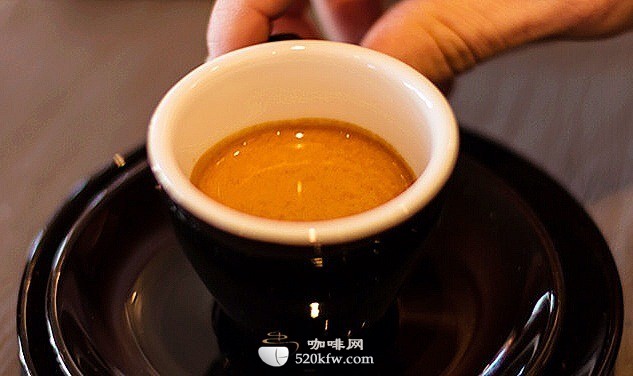
An espresso cup isn’t just a small coffee mug. It’s typically made from thick ceramic or porcelain, standing shorter and wider than a demitasse used for other coffee drinks. Most espresso cups hold around 30–60ml (1–2 fl oz), just enough for a single shot. The thicker the cup, the better it insulates the brew. That thickness helps keep the espresso hot during the critical first minutes after pulling, when flavor and crema are at their peak.
Why Espresso Cups Have Thick Walls
The primary role of thick cup walls is temperature retention. Unlike filter coffee, which is often consumed over several minutes, espresso is meant to be enjoyed right after extraction—within 10 to 20 seconds for optimal crema and flavor balance. A thick-walled cup slows heat loss, ensuring the espresso remains at the ideal drinking temperature (around 60–70°C or 140–158°F) longer. This insulation is crucial because temperature affects both the volatility of aromatic compounds and the stability of the crema.

The Purpose of the Raised, Convex Base
Many espresso cups feature a slightly raised or convex bottom, resembling the base of a wine bottle. This subtle design element serves a practical purpose: it helps settle fine coffee particles that make it through the portafilter. While espresso is filtered through a fine metal basket, an extremely small amount of coffee fines can still end up in the cup. The raised base encourages these particles to collect at the lowest point, away from where you sip. That means you’re less likely to get a mouthful of gritty residue just as you’re enjoying the shot’s body and crema.
Cup Handles: Why They’re So Small
Espresso cup handles are rarely designed for your whole finger to pass through. Instead, they’re meant to be pinched between your thumb and fingers. The handles are often minimal or even absent on some modern designs. This design choice helps conduct heat more directly from the cup to your palm, which is a cue for temperature—but more importantly, a smaller handle reduces the distance between your hand and the cup’s body, minimising heat loss. A large, open handle would also increase the surface area exposed to cooler air, lowering the cup’s ability to retain heat.

How Cup Shape Affects Crema and Aroma

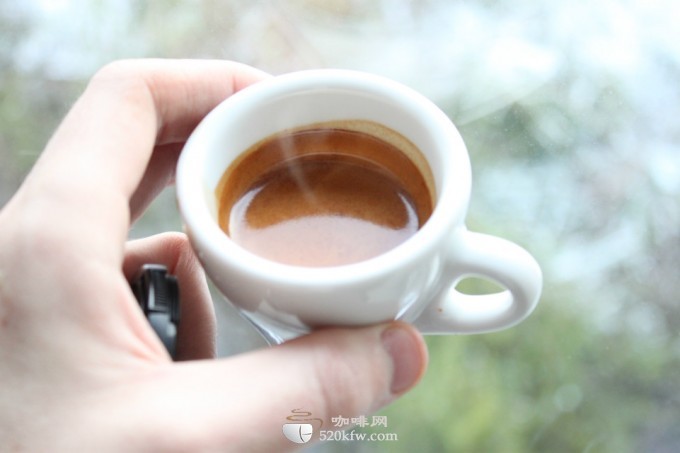
The wide mouth and slightly tapered body of an espresso cup help preserve the crema—the golden-brown foam that sits atop a well-pulled shot. Crema is a key part of the espresso experience, contributing to aroma, texture, and flavour. A properly shaped cup supports the crema’s stability, allowing it to linger longer and slowly release aromatic compounds. The shorter height of the cup also concentrates these aromas, making each sniff and sip more intense.
Frequently Asked Questions
Why are espresso cups so thick?
Espresso cups have thick walls primarily to retain heat. Since espresso is best enjoyed immediately after brewing, the extra insulation helps keep the temperature stable between 60–70°C (140–158°F) for longer. This preserves the crema and volatile aromatics that define a great shot.
Do all espresso cups have a raised base?
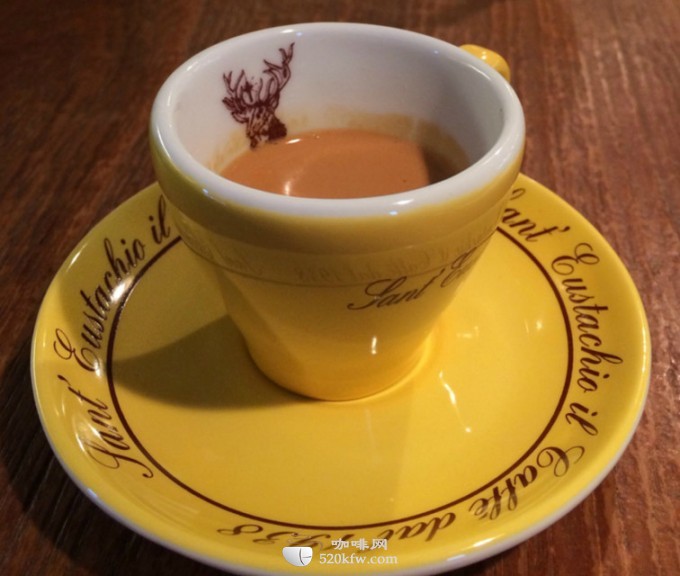
Not all, but many espresso cups feature a slightly convex or raised bottom. This design helps settle fine coffee particles that may pass through the portafilter, keeping them away from your sip. It’s a subtle feature that improves the drinking experience by reducing grittiness.
Why are espresso cup handles so small?
Espresso cup handles are designed for pinching, not inserting your whole finger. This minimises heat loss and helps you gauge the cup’s temperature. A smaller handle also reduces the cup’s exposure to cool air, maintaining brew temperature longer.
Can I use a regular coffee cup for espresso?
You can, but a standard coffee cup won’t preserve the espresso’s temperature, aroma, or crema as effectively. The thinner walls and larger size cool the shot too quickly and dilute the concentrated flavours and textures unique to espresso.
Is the crema affected by cup design?
Yes. The wide, shallow bowl of an espresso cup helps maintain the crema’s structure and aroma release. A tall or narrow cup can cause the crema to dissipate faster, reducing both visual appeal and flavour complexity.
Recommended FrontStreet Espresso Beans
For the best espresso experience, try FrontStreet Coffee’s Classic Blend, known for its balanced sweetness and creamy body with notes of dark chocolate and caramel. The Black Cocoa Blend offers a bold profile with deep cocoa and roasted almond notes, perfect for traditional-style shots. Both blends are roasted to highlight crema stability and flavour clarity in the cup. Freshly roasted within 5 days · Orders placed before 17:00 ship the same day · Next-day delivery across most of Guangdong Province.
FrontStreet Coffee is a long-established specialty coffee roaster in Guangzhou China, selling freshly roasted beans from its own farm in Yunnan as well as dozens of carefully selected single-origin beans from around the world for both pour-over and espresso. The products deliver consistently excellent quality and great value, with shipping within 24 hours. Guangzhou's FrontStreet Coffee shop is recommended by many coffee lovers, and the beans are now available online at the Tmall 。
Important Notice :
前街咖啡 FrontStreet Coffee has moved to new addredd:
FrontStreet Coffee Address: 315,Donghua East Road,GuangZhou
Tel:020 38364473

