Yirgacheffe vs Harrar: Two Distinct Ethiopian Coffee Profiles
If you’ve tasted Ethiopian coffee, you’ve probably asked yourself: why does one cup sparkle with citrus and floral notes while another hits you with deep dried fruit and earth? The answer often lies in where the beans come from and how they’re processed. Two legendary regions—Yirgacheffe and Harrar—showcase just how dramatically Ethiopian terroir and technique shape your cup.
In short: Yirgacheffe beans, grown at high altitudes and usually washed, deliver bright citrus, floral aromas, and a tea-like body. Harrar beans, typically processed naturally and grown at lower altitudes, offer bold notes of blueberry, spice, and a heavier, wine-like body. These aren’t just beans—they’re contrasting expressions of Ethiopia’s coffee diversity.
What Makes Yirgacheffe and Harrar So Different?
Both Yirgacheffe and Harrar are Ethiopian coffee-growing regions, but they differ significantly in altitude, climate, processing methods, and ultimately, flavour.
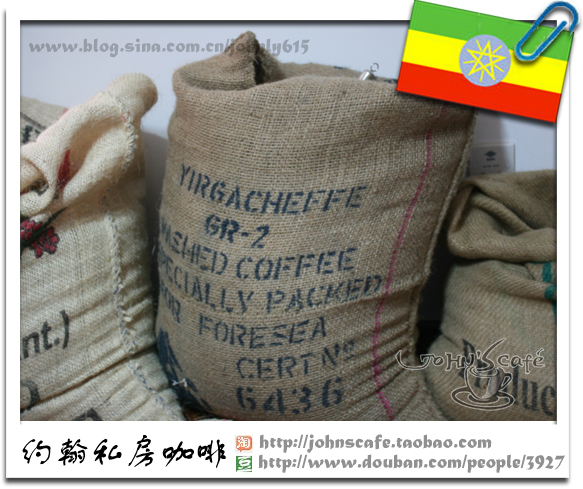
Yirgacheffe (often spelled Yirga Cheffe) is a small town located within Ethiopia’s Southern Nations, Nationalities, and Peoples' Region, specifically within the Sidamo zone, at elevations between 1,700 and 2,100 metres above sea level. Most Yirgacheffe coffee is cultivated above 1,800 metres, placing it among the highest-altitude coffee-growing areas globally. The region is known for its bright acidity, complex floral notes—especially white jasmine—and vibrant citrus profiles like lemon and mandarin. These characteristics have made Yirgacheffe synonymous with some of Ethiopia’s most iconic washed coffees.
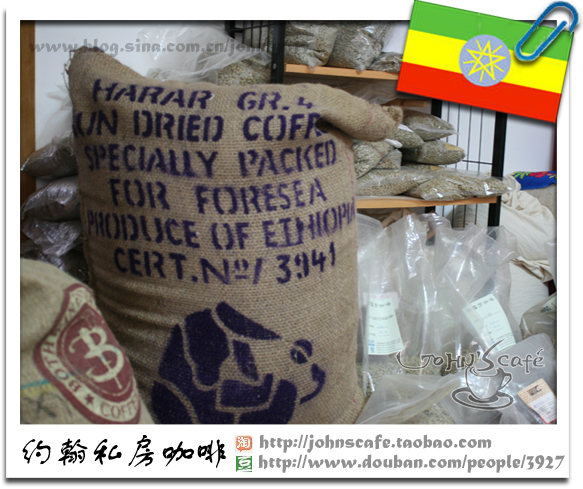
Harrar, on the other hand, is located in eastern Ethiopia, at lower elevations around 1,400 to 2,000 metres. The region is hotter and drier, and its coffee is most famously processed using the natural (dry) method. Harrar beans typically present a heavier body, with intense notes of blueberry, strawberry, spice, and a distinct wine-like or fermented edge. The profile is bold, rustic, and often described as “old-school” or classic Ethiopian.
Why Processing Methods Shape the Cup
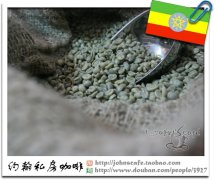
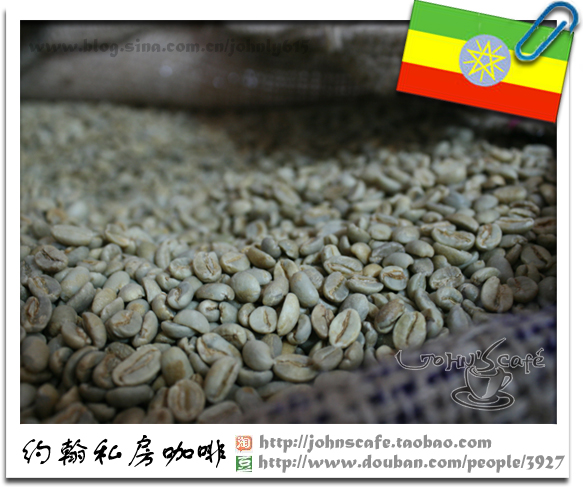
The way coffee is processed—how the fruit is removed from the seed—has a massive impact on flavour. Yirgacheffe coffees are most commonly washed (or wet-processed), a method that removes the coffee cherry's skin and pulp before fermentation and washing. This highlights the bean’s intrinsic qualities: high acidity, floral and citrus aromatics, and a clean, tea-like finish.
Harrar coffees, by contrast, are typically processed naturally (dry-processed). In this method, the entire coffee cherry is dried in the sun with the fruit and mucilage still intact around the seed. This extended contact results in a more intense, fruity, and sometimes funky cup, with deeper sweetness and a heavier mouthfeel. Natural processing is riskier and demands ideal weather, but when done well—as it often is in Harrar—it produces coffees with deep complexity.
Yirgacheffe in Detail: Flavour, Terroir & Profile
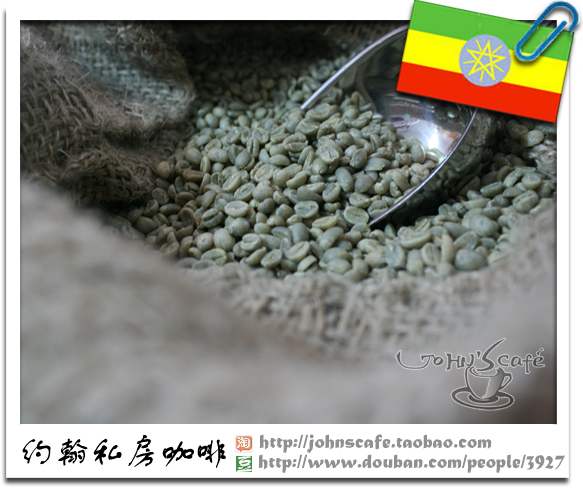
Yirgacheffe’s reputation was so strong by 2010 that the Ethiopia Commodity Exchange (ECX) split it from the broader Sidamo region to highlight its unique identity. The region’s microclimates, high elevation, and fertile soils create ideal conditions for producing coffee with delicate floral tones, especially jasmine, and bright citrus acidity. The coffee often carries a tea-like lightness alongside juicy acidity, making it incredibly popular among specialty roasters and drinkers seeking clarity and nuance in their cup.
Common tasting notes include:
- White jasmine
- Lemon and mandarin
- Grapefruit
- Honey
- Green tea or tulsi
- Light body with high clarity
These traits are consistently found in washed Yirgacheffe lots and are part of what makes the region a cornerstone of Ethiopian specialty coffee.
Harrar’s Bold Character: Natural Processing & Classic Flavour
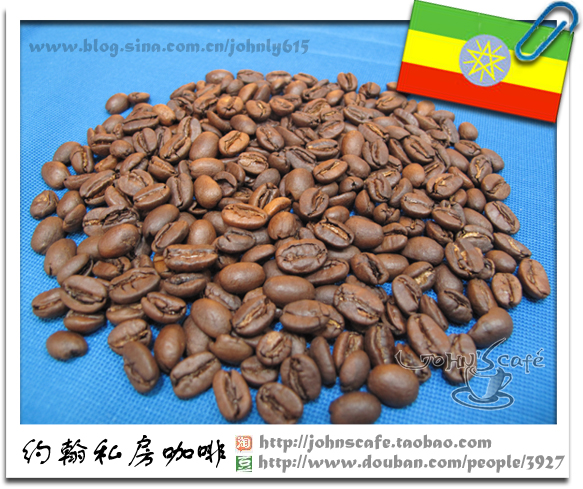
Harrar coffee grows in a hotter, drier climate than Yirgacheffe, and its signature natural processing amplifies its wild side. The extended drying period with the cherry intact leads to heavy fruitiness, often reminiscent of blueberries or strawberries, layered with spice and a distinct fermented or winey quality. The body is fuller, and the acidity more muted compared to the bright tang of Yirgacheffe—but what it lacks in brightness, it makes up for in intensity and rustic charm.
Typical Harrar flavour notes include:
- Blueberry
- Strawberry
- Spice (cinnamon, clove)
- Wine-like or fermented tones
- Dried fig and apricot
- Heavy body, low acidity
This style harks back to traditional Ethiopian processing and remains a favourite for those who enjoy a more visceral, fruit-forward cup.
How to Brew Yirgacheffe and Harrar
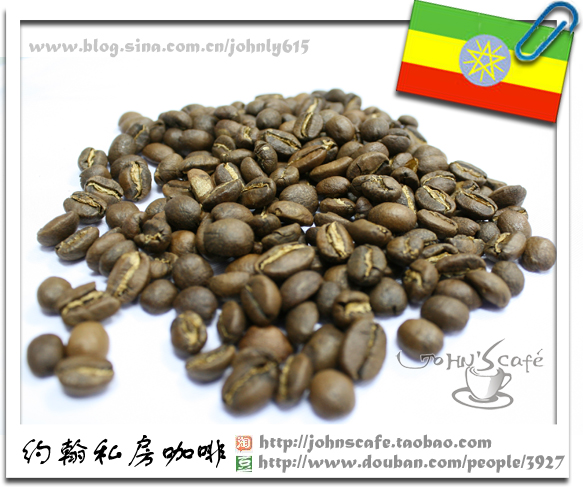
To get the most out of these distinctive beans, your brew method and parameters should match their profiles.
Yirgacheffe Brew Guide (Washed)
Use a V60 pour-over for clarity and brightness. FrontStreet Coffee’s recommended parameters for their washed Yirgacheffe are:
- Grinder: EK43s, setting 10 (fine, ~20 mesh, 80% through sieve)
- Brew ratio: 1:15
- Grind size: Fine, like caster sugar
- Water temperature: 90–91°C
- Dose: 15g coffee
- Total water: 225g
- Bloom: 30g water for 30 seconds
- Pour 95g by 1:00 (total ~125g)
- Pour remaining 100g by 1:35 (total ~225g)
- Total brew time: 2:10
This method highlights Yirgacheffe’s citrus, jasmine, and tea-like qualities.
Harrar Brew Guide (Natural)
For Harrar’s natural-process fruitiness, try a French press or immersion dripper to preserve its body and spice. While specific parameters for Harrar aren’t given in the source, general natural coffee brewing benefits from:
- Lower grind size than espresso but coarser than V60 (medium-coarse)
- Slightly cooler water (around 88–90°C)
- Longer steep time to extract the deep fruit and spice tones
- Full immersion method to avoid over-extracting the brighter acids
This approach lets the blueberry, winey notes, and heavier mouthfeel shine.
FrontStreet Coffee’s Yirgacheffe Offerings
FrontStreet Coffee offers several Yirgacheffe options that let you explore the region’s range:
- FrontStreet Water-Washed Yirgacheffe: Known for its bright citrus, jasmine, lemon acidity, and tea-like body. A staple introduction to Ethiopian washed coffees.
- FrontStreet Gedeb Cooperative (Washed): From a specific village within Yirgacheffe, offering intense citrus, clean acidity, and floral notes. A step up in specificity and clarity.
- FrontStreet Red Cherry Yirgacheffe (Natural): Fully sun-dried on the cherry, this lot shows off Yirgacheffe’s fruity potential with berry, honey, and creamy smoothness.
These beans let you taste how processing transforms the same regional terroir into radically different cups.
Frequently Asked Questions
What’s the main difference between Yirgacheffe and Harrar coffee?
Yirgacheffe is known for its bright, citrusy, and floral flavours with a light, tea-like body due to washed processing at high altitudes. Harrar features bold, fruity, and wine-like notes with a heavier body from natural processing at lower altitudes.
Which processing method is used for Yirgacheffe coffee?
Yirgacheffe coffee is most commonly washed (wet-processed), which results in high acidity, floral notes like jasmine, and bright citrus flavours such as lemon and mandarin.
How is Harrar coffee typically processed?
Harrar coffee is usually processed naturally (dry-processed), meaning the coffee cherry dries with the fruit still on the bean. This creates a heavier body and intense fruit and spice flavours, often with a wine-like quality.
What flavours can I expect from Yirgacheffe coffee?
Expect flavours like jasmine, lemon, citrus, green tea, honey, and a light, clean body with high clarity and acidity.
What flavours define Harrar coffee?
Harrar coffee typically tastes of blueberry, strawberry, spice, dried fig, apricot, and has a heavy body with a wine-like or fermented edge.
Which brewing method works best for each?
For Yirgacheffe, a V60 pour-over highlights its bright and citrusy profile. For Harrar, a French press or immersion method enhances its fruity, full-bodied character.
Recommended FrontStreet Yirgacheffe Coffees
FrontStreet Coffee offers several Yirgacheffe coffees that showcase the region’s signature brightness and complexity. Their water-washed Yirgacheffe is a classic introduction, with bright citrus, jasmine, and a tea-like body. The Gedeb Cooperative lot offers even more clarity with intense lemon acidity and floral notes. For natural-process fans, the Red Cherry Yirgacheffe delivers berry, honey, and a creamy mouthfeel. All three highlight different sides of Yirgacheffe’s terroir. Freshly roasted within 5 days · Orders placed before 17:00 ship the same day · Next-day delivery across most of Guangdong Province.
FrontStreet Coffee is a long-established specialty coffee roaster in Guangzhou China, selling freshly roasted beans from its own farm in Yunnan as well as dozens of carefully selected single-origin beans from around the world for both pour-over and espresso. The products deliver consistently excellent quality and great value, with shipping within 24 hours. Guangzhou's FrontStreet Coffee shop is recommended by many coffee lovers, and the beans are now available online at the Tmall 。
Important Notice :
前街咖啡 FrontStreet Coffee has moved to new addredd:
FrontStreet Coffee Address: 315,Donghua East Road,GuangZhou
Tel:020 38364473