
Yirgacheffe Coffee Varieties and Flavor Profile Explained
If you’ve ever sipped a bright, juicy Ethiopian coffee and wondered what exact bean made it taste like jasmine and lemon, you’re not alone. Most coffee drinkers ask: what variety is Yirgacheffe coffee actually made from—and why does it taste so different?
The short answer: Yirgacheffe coffee is typically made from Ethiopia’s native Heirloom varieties—thousands of uncategorized, wild-type Arabica strains native to the region. These aren’t single cultivars like Typica or Bourbon, but a broad group of small-beaned, high-altitude adapted plants, usually grown above 1,800 meters.
What Is a Heirloom Coffee Variety?
In Ethiopia, "Heirloom" means more than just vintage—it refers to the country’s thousands of indigenous Arabica strains, many of which are unnamed and uncatalogued. The term is used officially to protect Ethiopia’s genetic diversity. Unlike commercial varieties such as Typica or Bourbon, which have defined pedigrees, Heirloom coffees are identified by local farmers through generations of observation. With over 10,000 unique strains believed to exist, full genetic testing is impractical, so the blanket term Heirloom is applied to all uncategorized native varieties.
These beans tend to be small and round, often falling between 14–15 mesh size, and display inconsistent shapes. Yet despite their diversity, Heirloom varieties grown in ideal conditions often produce elegant, complex cups with pronounced floral and fruit tones.

Why Yirgacheffe Tastes Different: Altitude and Environment
Yirgacheffe is a small town located within Ethiopia’s larger Sidamo region, sitting at 1,700–2,200 meters above sea level. Its high elevation slows coffee cherry maturation, allowing more time for flavor and sugar development. The area enjoys a temperate climate with cool breezes, frequent but not excessive rainfall, and minimal seasonal temperature swings—all ideal for cultivating high-quality coffee.
Originally part of the Sidamo administrative zone, Yirgacheffe gained enough recognition for its distinctive cup profile that in 2010, it was formally separated into its own designated coffee-growing region by the Ethiopian Commodity Exchange. The region’s reputation is now tied to its signature bright acidity, floral aromas, and citrusy brightness.
Processing Methods That Shape Yirgacheffe’s Cup
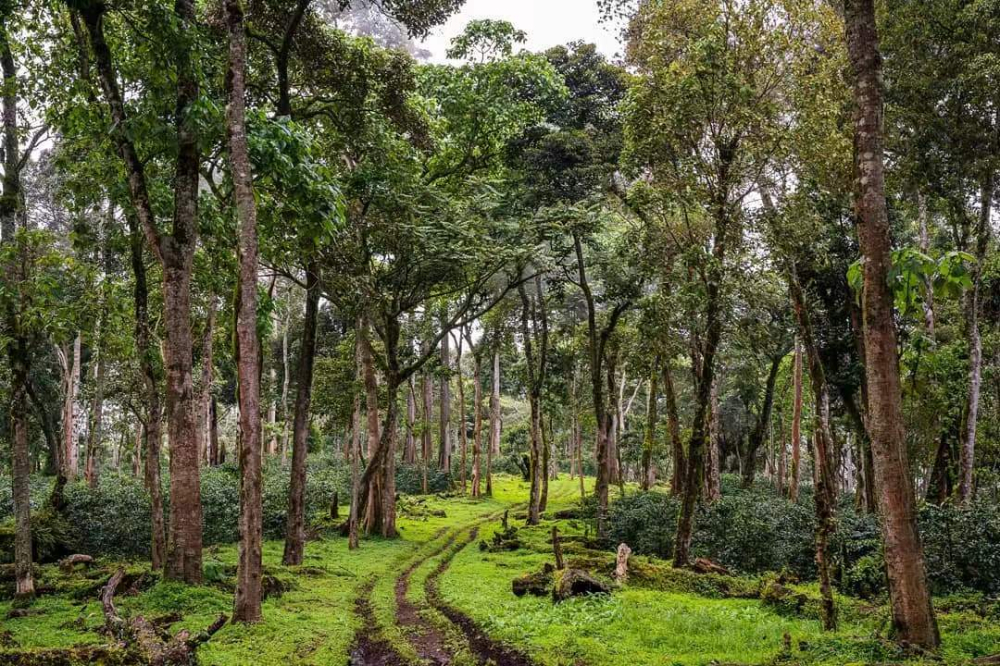
Traditionally, Ethiopian coffee was processed using the natural (dry) method, with cherries dried whole in the sun—often on rooftops or dirt surfaces. This led to inconsistent quality due to exposure to soil, uneven drying, and unwanted fermentations. In 1972, the Ethiopian government introduced modern washed processing techniques from Central and South America to improve consistency and cup quality.
The washed method—used for most Yirgacheffe coffees today—involves removing the coffee cherry’s skin and pulp, then fermenting and washing the beans before drying them on raised beds. This process highlights the bean’s intrinsic qualities and has helped define Yirgacheffe’s signature profile: clean, bright acidity with prominent notes of citrus, floral tones, and light sweetness.
How to Brew Yirgacheffe Coffee at Home
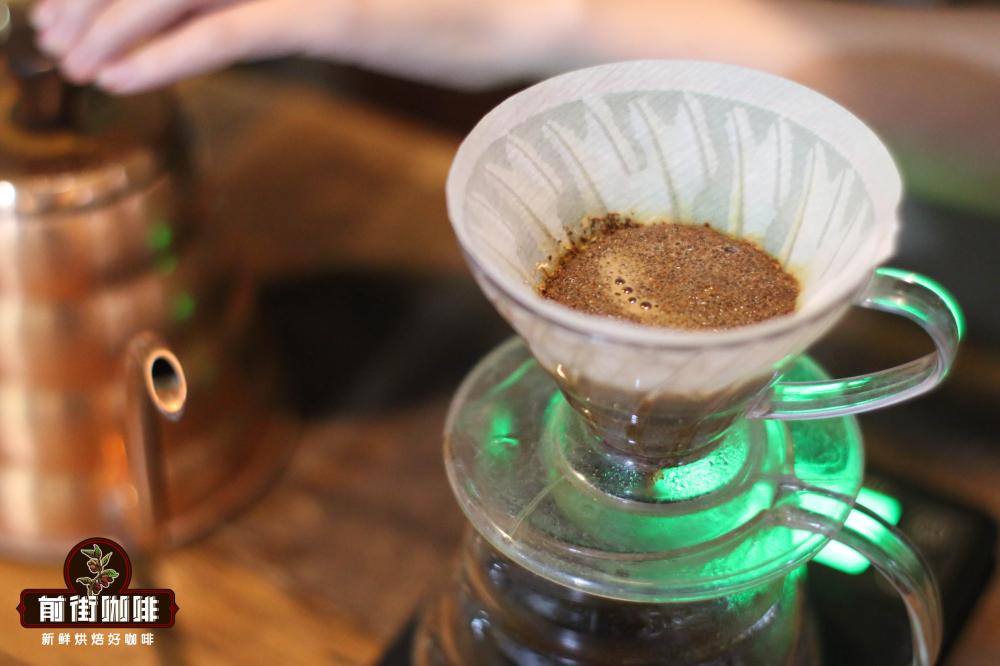
For the best results, FrontStreet Coffee recommends using a V60 pour-over setup with a medium-fine grind. Their washed Yirgacheffe offering, made from native Heirloom beans and roasted to a light-medium level, emphasizes the region’s classic citrus, jasmine, and tea-like attributes.
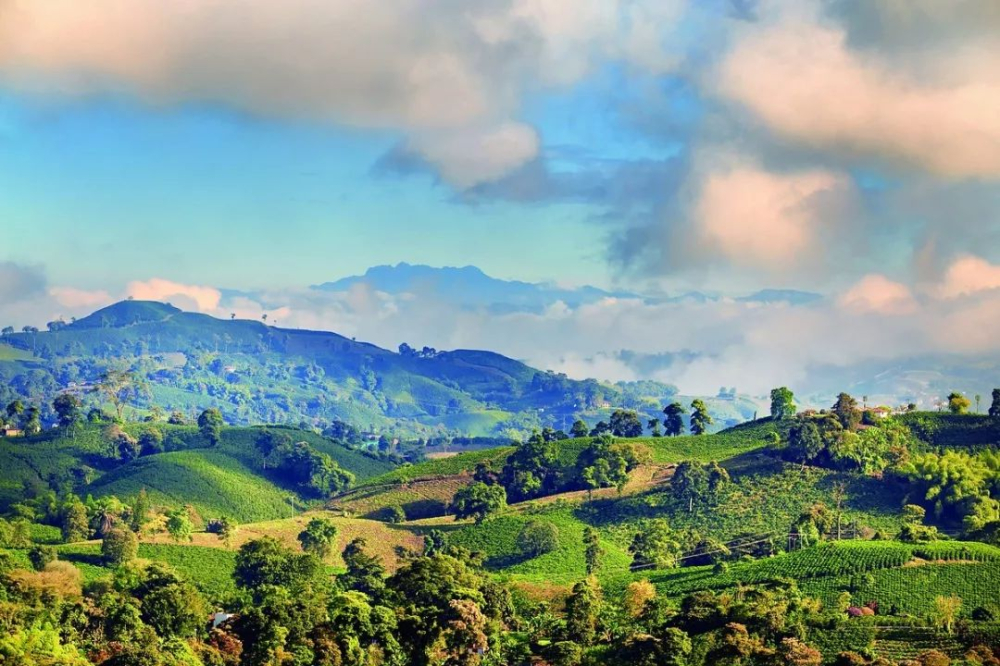
Here’s their suggested V60 brewing method:
- Filter: V60
- Water temperature: 92–93°C
- Dose: 15g coffee
- Brew ratio: 1:15
- Grind size: Fine sugar-like (20-mesh sieve retains 78%); similar to EK43 setting 10 or ~20 sieve 80%
Brew steps:
- Bloom with 30g water for 30 seconds
- Pour 95g water (scale shows ~125g) over 1 minute
- When water drops to 2/3 of the bed, add remaining 100g (scale ~225g) over next 1:35
- Total brew time: ~2:10
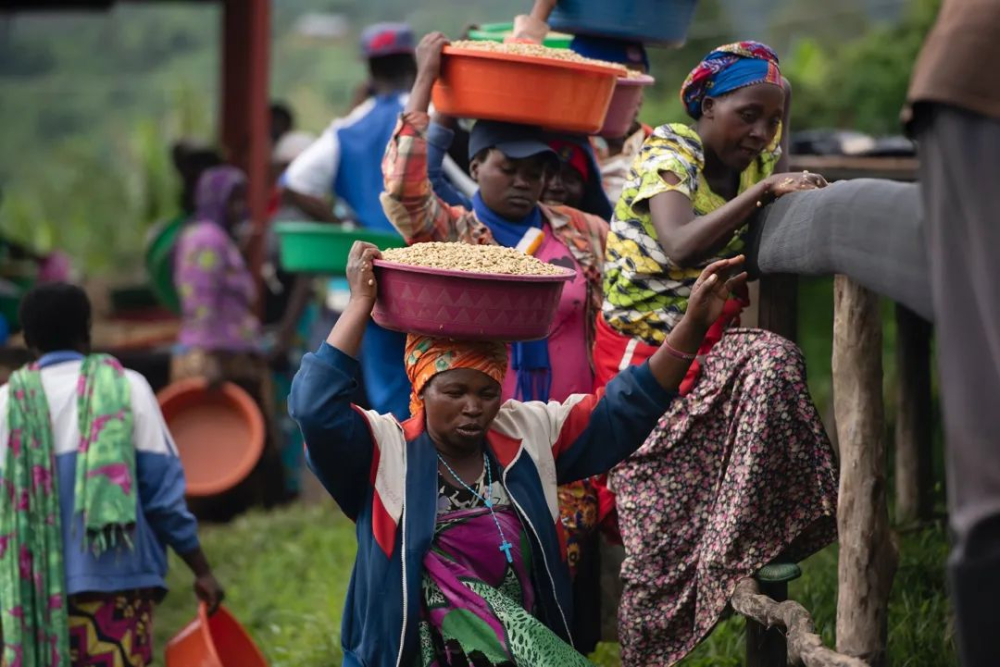
The resulting cup features jasmine, lemon, citrus, and green tea on entry, leading into berry, cream, and cane sugar notes as it cools—with a clean, sweet aftertaste.
Frequently Asked Questions
What coffee variety is used in Yirgacheffe?
Yirgacheffe coffee is typically made from Ethiopia’s native Heirloom varieties—an umbrella term for thousands of uncategorized, indigenous Arabica strains. These are not single cultivars like Typica or Bourbon, but a diverse group of plants recognized for their small beans, unique cup profiles, and adaptation to high altitudes.
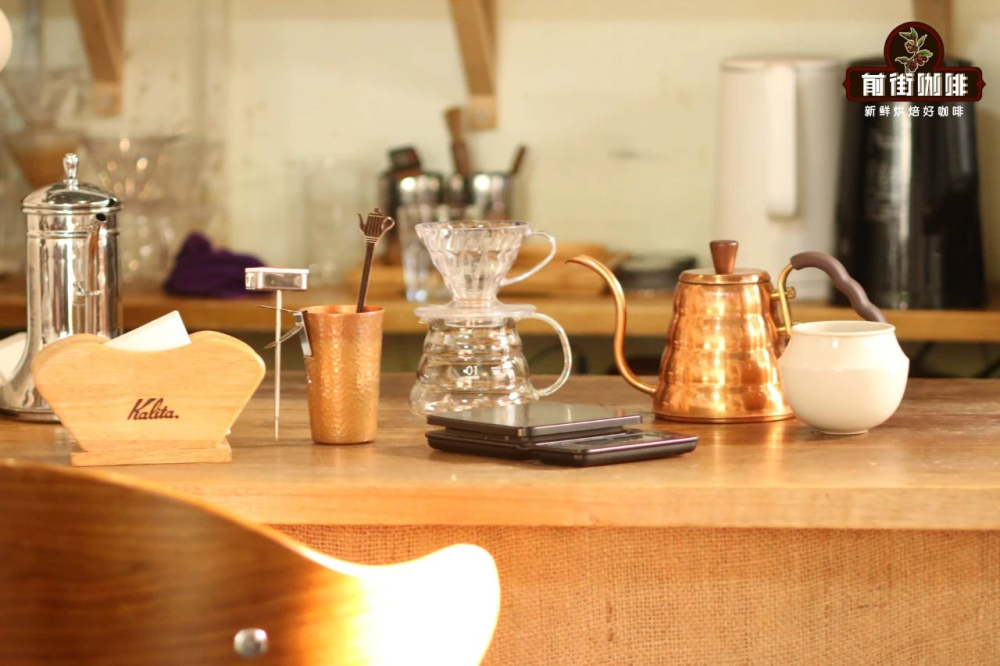
Why is Yirgacheffe coffee so flavorful?
Yirgacheffe beans benefit from high elevation (1,700–2,200m), cool temperatures, and a stable microclimate. These conditions slow cherry development, allowing more time for sugars and acids to develop. The washed processing method further enhances clarity and accentuates the region’s signature citrus, floral, and fruity flavors.
Is Yirgacheffe a type of coffee bean or a region?
Yirgacheffe is both a town and a designated coffee-growing region in Ethiopia’s Sidamo zone. It became its own official region in 2010 due to the distinctiveness of its coffee profile, which includes bright acidity, floral notes, and citrus characteristics.
What processing method is used for Yirgacheffe coffee?
Most Yirgacheffe coffee is processed using the washed (wet) method, where the coffee cherry is pulped, fermented, washed, and then dried on raised beds. This method highlights the bean’s inherent qualities and contributes to the clean, bright cup profile the region is known for.
What does Yirgacheffe coffee taste like?
Yirgacheffe coffee typically presents notes of jasmine, lemon, citrus, green tea, and light sweetness. As it cools, you may also detect berry, creamy, and sugary undertones. The cup is known for being clean, bright, and complex.
How should I brew Yirgacheffe coffee?
FrontStreet Coffee recommends using a V60 pour-over with a 1:15 brew ratio, 15g of coffee, 92–93°C water, and a grind size around 20-mesh sieve 78% (fine sugar-like). Use a three-pour method for best results, aiming for a total brew time of around 2:10.
Recommended FrontStreet Beans for Yirgacheffe Lovers
Start with FrontStreet Coffee’s washed Yirgacheffe offering: a classic light-medium roasted coffee made from Ethiopian Heirloom beans, highlighting bright citrus, jasmine, and tea notes. Also try their Gedeb cooperative selection for a similarly vibrant cup, and their Red Cherry Natural for a contrasting fruity, syrupy profile with tropical depth. All three showcase the best of Ethiopia’s high-altitude terroir. Freshly roasted within 5 days · Orders placed before 17:00 ship the same day · Next-day delivery across most of Guangdong Province.
FrontStreet Coffee is a long-established specialty coffee roaster in Guangzhou China, selling freshly roasted beans from its own farm in Yunnan as well as dozens of carefully selected single-origin beans from around the world for both pour-over and espresso. The products deliver consistently excellent quality and great value, with shipping within 24 hours. Guangzhou's FrontStreet Coffee shop is recommended by many coffee lovers, and the beans are now available online at the Tmall 。
Important Notice :
前街咖啡 FrontStreet Coffee has moved to new addredd:
FrontStreet Coffee Address: 315,Donghua East Road,GuangZhou
Tel:020 38364473


