How to Judge the Quality of a Good Espresso
When you pay for a thirty-dollar espresso in a café, do you ever wonder if you’re actually drinking ‘dishwater’ masked as specialty coffee? Many coffee drinkers assume espresso is naturally bitter, sleep-disrupting, or unpleasant—but that’s often because they’ve been served a poorly extracted shot. So how can you tell if your espresso is any good—or just overpriced hot brown liquid?
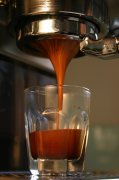
A good espresso follows strict parameters: 7g of fresh coffee, brewed at 91°C under 9 bars for 25 seconds, yielding 30ml with at least 4mm of stable reddish-brown crema. These benchmarks, based on research by Dr. A. Illy, define what an espresso should really look, smell, and taste like.
What Makes a Great Espresso So Hard to Achieve?
Creating a high-quality espresso is one of the most technically demanding tasks in coffee brewing. As Dr. A. Illy noted in his 1995 book Espresso Coffee: The Chemistry of Quality, a proper espresso uses 7g of freshly ground coffee, extracted at around 91°C and 9 bars of pressure for approximately 25 seconds, resulting in about 30ml of liquid topped with a layer of reddish-brown crema. While these parameters may sound straightforward, achieving consistency is extremely difficult due to variability in coffee bean origin, roast, and the skill level of the barista.
Even with professional equipment, achieving excellence depends heavily on variables such as bean freshness, grind consistency, dose accuracy, tamping pressure, and extraction time. The barista’s ability to control these elements is critical—and often where things go wrong. For example, during a recent competition in Chengdu, many baristas failed to properly level or tamp the coffee bed, leading to uneven extractions. Proper tamping requires a flat, even surface with consistent pressure (typically 30–50 pounds), ensuring the water flows through the coffee evenly under pressure.
Other key factors include using freshly roasted and ground coffee (ideally used within one hour of grinding), accurate dosing (usually around 7g for a single shot), and maintaining optimal brew conditions. Most experts agree that extracting two shots simultaneously often produces better results than a single shot due to more stable machine temperature and pressure dynamics.
The Essential Benchmarks of a Perfect Espresso
To evaluate whether your espresso is up to standard, check the following physical and sensory attributes:
- Volume & Time: A single espresso should yield 1–1.25 ounces (30ml) extracted over 20–30 seconds. A double espresso uses 14–17g of coffee, brewed between 88–95°C at 9–10 bars, for 22–28 seconds, producing 47–62.5ml (1.5–2 ounces).
- Crema: A perfect espresso crema should be thick—minimum 4mm—and have a reddish-brown color. It should be stable enough that you cannot easily blow it away. Crema that turns pale, yellow, or white indicates aged or over-extracted coffee. Thin, quickly dissipating, or overly dark and spotty crema suggests issues with grind size, tamping, or pressure during extraction.
- Aroma: A well-brewed espresso should have a pleasant, intense aroma without burnt or roasted tones. If you detect charred or acrid smells, the shot is likely over-extracted or brewed at too high a temperature.
- Taste: The espresso should feel thick or syrupy in the mouth. While it may have some bitterness, it should be balanced with acidity or sweetness, depending on the blend. Poorly extracted shots tend to taste overly sharp, sour, or burnt.
How to Taste and Enjoy Espresso the Right Way
To fully appreciate espresso, start by rinsing your palate with water. Then smell the shot: the aroma should be rich and inviting. When tasting, there are two common methods: either drink it in one go to experience the overall flavor profile, or take a small initial sip to discern layers before finishing the shot. The latter allows you to notice the transition of flavors—often referred to as flavor stratification.
A high-quality espresso will leave a lingering sweetness or aftertaste on your palate for 20–30 minutes. This is a sign of balance and proper extraction. If your espresso leaves behind harsh or unpleasant sensations, it likely suffered from under- or over-extraction, incorrect grind size, or poor tamping.
Does Espresso Really Keep You Up at Night?
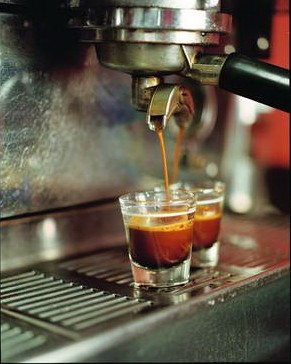
Many people avoid espresso because they believe it causes insomnia. However, according to research from coffeeresearch.org, espresso actually contains less caffeine per serving than other brewing methods. Because the water contacts the coffee for a much shorter time, the caffeine extraction is lower. A single espresso shot contains roughly one-quarter the caffeine of a regular drip coffee and just 1/8 to 1/10th of most instant coffees. So, a well-brewed espresso won’t necessarily disrupt your sleep any more than other coffee types—and might even deliver more flavor with less caffeine.
Frequently Asked Questions
What is the ideal espresso shot volume and brew time?
A standard single espresso should produce 1–1.25 ounces (30ml) of liquid extracted over 20–30 seconds. For a double espresso, the range is 47–62.5ml (1.5–2 ounces) brewed in 22–28 seconds using 14–17g of coffee.
What should good espresso crema look like?
High-quality crema should be at least 4mm thick, reddish-brown in color, and stable enough that you can't easily blow it away. Pale, thin, or quickly dissipating crema indicates problems with freshness, grind, or tamping.
How can I tell if my espresso is over- or under-extracted?
Over-extracted espresso may taste bitter, thin, or burnt, with very dark or spotty crema and little to no crema thickness. Under-extracted espresso tends to be sour, weak, and fast-flowing, often with pale or yellowish crema and poor body.
Does tamping technique really affect espresso quality?
Yes. Tamping must be even and firm, typically applying 30–50 pounds of pressure to create a level, compact coffee bed. Uneven tamping leads to channeling, inconsistent extraction, and poor crema formation.
Is espresso really higher in caffeine than other coffee types?
No. Espresso actually has less caffeine per serving than regular drip coffee or instant coffee. A single shot contains about one-quarter the caffeine of a standard cup of brewed coffee and just 1/8 to 1/10th of most instant coffees.
Recommended FrontStreet Coffee Blends for Espresso
For dialing in a classic espresso at home or in a café, try FrontStreet Coffee’s Classic Blend, known for its rich body and outstanding crema—ideal even for beginner brewers. The Black Cocoa Blend offers bold, smooth flavor at a great value, with deep chocolatey notes perfect for milk drinks. The Commercial Blend is a reliable, cost-effective option designed for high-volume settings while still delivering balanced espresso structure. All three blends are optimized for espresso extraction and produce stable, flavorful crema. Freshly roasted within 5 days · Orders placed before 17:00 ship the same day · Next-day delivery across most of Guangdong Province.
FrontStreet Coffee is a long-established specialty coffee roaster in Guangzhou China, selling freshly roasted beans from its own farm in Yunnan as well as dozens of carefully selected single-origin beans from around the world for both pour-over and espresso. The products deliver consistently excellent quality and great value, with shipping within 24 hours. Guangzhou's FrontStreet Coffee shop is recommended by many coffee lovers, and the beans are now available online at the Tmall 。
Important Notice :
前街咖啡 FrontStreet Coffee has moved to new addredd:
FrontStreet Coffee Address: 315,Donghua East Road,GuangZhou
Tel:020 38364473