
How to Drink Espresso the Authentic Way
If you’ve ever walked into a European café and simply ordered ‘a coffee,’ chances are you were handed a tiny cup of dark, intense liquid — an espresso. That’s not a mistake or a shortcut. That’s the default. But how do you actually drink it? And why is it so different from the slow, contemplative coffee rituals many know?
The most authentic way to drink espresso is quickly — in about three seconds, standing at the bar, no sugar, no milk, and definitely no lingering. This small, concentrated shot is designed to be consumed immediately after pulling, ideally within 10–20 seconds of brewing. No sipping slowly like tea; this is a concentrated jolt.
What Exactly Is an Espresso?
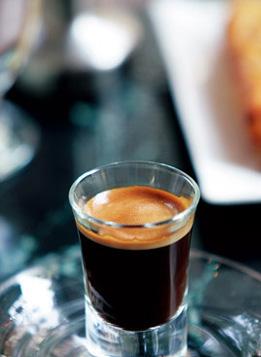
An espresso, or more accurately a single espresso (also called solo or ‘’ in Chinese), is the foundational style of Italian-style coffee. It’s a small drink — typically just 25–30ml — made by forcing nearly boiling water (around 90°C) through finely-ground coffee under high pressure (9–10 bars). The entire extraction takes no more than 30 seconds. The result is a thick, intense shot with a layer of crema on top, usually around 3mm thick if pulled correctly.
Unlike filtered coffee or pour-overs, espresso isn’t about subtlety. It’s bold, compact, and meant to deliver a full sensory punch in just a few sips. In Europe, especially countries like Italy, Spain, and France, ordering ‘coffee’ at a café will almost always get you an espresso unless otherwise specified.
Why Do Europeans Drink Espresso So Fast?
In many European coffee cultures, espresso is not a sit-down drink. It’s a social stimulant, a pause, or a quick boost. People often stand at the bar, watch the barista work, then take their shot and go. There’s no expectation to sip slowly or nurse it over conversation. The coffee is meant to be intense and efficient — a momentary ritual, not an extended experience.
This approach reflects both the strength of the drink and cultural norms. Espresso is highly concentrated. Drinking it quickly helps balance the intensity, while lingering can make the experience overly bitter or overwhelming. It’s common to see people order an espresso, chat briefly with the barista, then leave within minutes.
How to Actually Drink Espresso the Traditional Way
1. Order Just ‘Espresso’ or ‘Un Caffè’: In most European cafés, saying “coffee” will get you an espresso. No need to specify.
2. Stand at the Bar: Many locals prefer to drink their espresso standing, often watching the barista prepare it. It’s part of the experience.
3. Drink It Quickly: A traditional espresso is designed to be consumed in about three seconds. Don’t let it cool or sit too long — the crema will dissipate and the flavors will change.
4. No Milk, No Sugar (Usually): The classic way is to drink it straight. Sugar is optional but not traditional in the purest form.
5. Use a Small Demitasse Glass: Espresso is traditionally served in a small glass cup (often called a ‘shooter’) that helps retain heat and highlights the crema.
What to Pair With Your Espresso
To balance the intensity of espresso, many Europeans pair it with simple, contrasting items:
- Fresh Lemon Water: Helps cleanse your palate before drinking, especially if you’re thirsty or have been eating.
- Brownie Cake: The extreme bitterness of espresso pairs well with something very sweet and rich, like a dense chocolate brownie.
- Quick Socializing: Locals often chat briefly with the barista or other customers, making the experience social even if it’s fast.
The idea is contrast: the bitterness and strength of the espresso is offset either by clean flavors (like lemon) or intense sweetness (like chocolate cake).
What Makes a Great Espresso So Hard to Make at Home?
Pulling a truly great espresso requires precision and quality equipment. The process demands:
- A professional-grade espresso machine capable of delivering at least 9 bars of stable pressure.
- A consistent and high-quality water flow system — poor circulation leads to channeling and uneven extraction.
- A well-designed portafilter and tamper; even the feel of the tamper can affect the consistency of the coffee puck.
- A grind size fine enough to slow water flow to around 25–30 seconds for a 30ml shot — too coarse and it runs too fast; too fine and it over-extracts or clogs.
- A precise dose of ground coffee (usually around 7–9 grams for a single shot).
- A tamping pressure of at least 20 kilograms to ensure an even and compact coffee bed.
- An extraction temperature between 88–92°C — too hot and it burns; too cool and extraction is weak.
- A rich, stable crema of around 3mm thickness, indicating proper extraction and freshness.
All of these factors must align to produce a balanced shot. Without the right machine, technique, and beans, home espresso often misses the mark — which is why many serious drinkers rely on cafés or high-end home setups.
Frequently Asked Questions
What is the standard size of a single espresso?
A traditional single espresso is around 25–30ml (about 1 fluid ounce). It is extracted using roughly 7–9 grams of finely ground coffee and should take no more than 30 seconds to brew.
How should espresso be served?
Authentically, espresso is served in a small glass or ceramic demitasse cup, often called a ‘shooter’. It is typically consumed quickly, usually within 10–20 seconds after brewing, to enjoy it at its freshest with a stable crema.
Do you add milk or sugar to traditional espresso?
Traditionally, no. A classic solo espresso is taken black and unsweetened. However, adding sugar is common in some countries, though it is not part of the purest form of the drink as served in Italy or Spain.
Why is espresso crema important?
Crema is the golden-brown foam on top of a well-pulled espresso. A good crema, around 3mm thick, indicates proper extraction, fresh coffee, and ideal pressure. It also contributes to the aroma and mouthfeel of the shot.
Can you drink espresso slowly like regular coffee?
You can, but it’s not traditional. Espresso is designed to be consumed quickly — in about three sips — because its high concentration and temperature make it overwhelming if sipped slowly. Letting it sit can also cause it to taste more bitter or lose its crema.
Is it normal to drink espresso standing at a bar?
Yes, especially in Europe. Many people prefer to drink espresso quickly at the counter, often chatting briefly with the barista. It’s a cultural norm in places like Italy, Spain, and France.
Recommended FrontStreet Coffee Blends for Espresso
For an authentic espresso experience, try FrontStreet Coffee’s Classic Blend, crafted with Brazilian and Colombian beans for a balance of chocolate, nuts, and caramel. Its medium-dark roast suits milk drinks and straight shots alike. For deeper intensity, the Commercial Blend includes a touch of Robusta for bold crema and a thick body — ideal for traditional European-style espresso. Both are shipped freshly roasted within 5 days · Orders placed before 17:00 ship the same day · Next-day delivery across most of Guangdong Province.
FrontStreet Coffee is a long-established specialty coffee roaster in Guangzhou China, selling freshly roasted beans from its own farm in Yunnan as well as dozens of carefully selected single-origin beans from around the world for both pour-over and espresso. The products deliver consistently excellent quality and great value, with shipping within 24 hours. Guangzhou's FrontStreet Coffee shop is recommended by many coffee lovers, and the beans are now available online at the Tmall 。
Important Notice :
前街咖啡 FrontStreet Coffee has moved to new addredd:
FrontStreet Coffee Address: 315,Donghua East Road,GuangZhou
Tel:020 38364473

