Why You Shouldn’t Drink Boiler Water from Your Espresso Machine
If you’ve ever used the hot water spigot on your espresso machine to make tea, rinse gear, or even take a quick sip, you’re not alone. But that convenient stream of water comes straight from the machine’s boiler — a closed system that constantly reheats the same supply. What seems like a harmless shortcut may carry hidden risks to both your health and your machine.
The short answer? Don’t drink or regularly use water from your espresso machine’s boiler. Reboiling can turn nitrates into nitrites, which reduce blood oxygen levels and may form carcinogens. Also, hard water leads to limescale buildup that can wreck your machine in under five years if untreated.
What Is Boiler Water in an Espresso Machine?
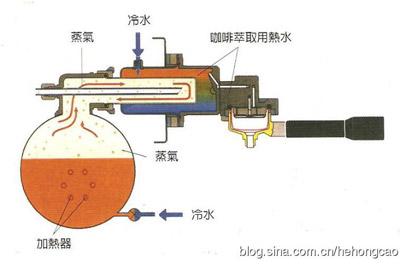
Every espresso machine with a hot water nozzle draws from an internal boiler. This boiler keeps water heated to a set temperature — usually around 90–95°C (194–203°F) — using an automatic thermostat. That means if the water cools even slightly, the machine reheats it. Even when idle, most home machines cycle through reheating dozens of times a day. The result? The same water is repeatedly boiled, often without you realising it.
Health Risks of Drinking Reboiled Boiler Water
Laboratory studies confirm that repeatedly boiling water leads to a buildup of nitrates converting into nitrites. When consumed, nitrites interact with haemoglobin in your blood, turning it into methaemoglobin — a form that can’t carry oxygen efficiently. This may cause symptoms such as shortness of breath, chest tightness, bluish lips or nails, fatigue, and drowsiness. In more serious cases, stomach acid can further convert nitrites into nitrosamines, which are known carcinogens.
While occasional use may not immediately harm you, regular consumption — such as using boiler water for daily tea or drinking — increases exposure to these compounds over time. There is no filter or purification inside the boiler to prevent this chemical change.
How Hard Water and Scale Damage Your Machine
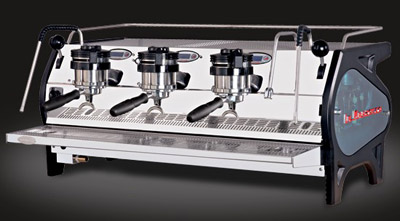
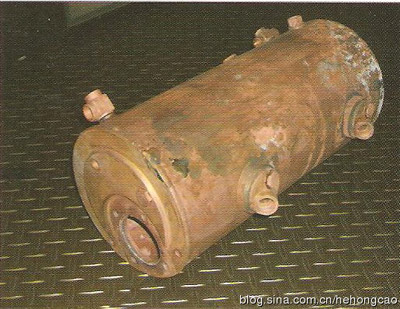
Most tap water is “hard,” meaning it contains high levels of calcium and magnesium ions. When repeatedly heated in the boiler and pipes, these minerals solidify into limescale — a chalky deposit that coats heating elements, valves, and tubes. Over time, limescale restricts water flow, reduces heating efficiency, and can clog critical components. Once severe, descaling may not be enough — replacement parts or a whole new machine could be required.
Even with decent water quality, a poorly maintained machine exposed to repeated heating cycles will accumulate scale faster. Most commercial venues that care for their water supply might get 5–8 years from a machine. Without treatment, home machines often fail in under 5 years. Neglecting water quality while frequently using the hot water function speeds up this damage significantly.
Impact on Brewing Temperature and Coffee Quality
Using the boiler’s hot water tap while brewing espresso also affects temperature stability. Espresso machines rely on precise thermal equilibrium to pull shots at the ideal range of 90–96°C (194–205°F). Drawing hot water from the boiler mid-session pulls away heat energy, causing temperature swings that can flatten extraction profiles, reduce crema quality, and alter flavour balance in your shots.
FrontStreet Coffee recommends stabilising your machine’s thermal performance by avoiding unnecessary water draws during brewing. For steaming milk or warming cups, draw water before starting your espresso extraction, or use a separate water boiler designed for non-coffee purposes.
What You Should Use Boiler Water For (And What To Avoid)
You can safely use boiler water for non-drinking purposes such as warming cups or rinsing tools — but only if your local water quality is soft to moderate and your machine is well-maintained. Avoid using it for:
- Drinking or making beverages like tea or milk tea
- Regularly filling kettles or other kitchen appliances
- Preparing food or drinks for children or pregnant individuals
If you do draw hot water for cleaning or warming, avoid frequent use and always prioritise descaling and water treatment to reduce mineral buildup.
Frequently Asked Questions
Is it safe to drink water from my espresso machine’s hot water tap?
No, it’s not recommended. Water from the boiler is repeatedly boiled, which can convert nitrates into nitrites — chemicals that may reduce oxygen transport in your blood and potentially form carcinogens. Occasional use isn’t conclusively dangerous, but regular drinking increases health risks over time.
Why does repeated boiling make boiler water unsafe?
Repeated boiling causes dissolved nitrates in tap water to chemically transform into nitrites. These nitrites can bind to haemoglobin, decreasing its oxygen-carrying capacity, leading to symptoms like fatigue and shortness of breath. In acidic environments like the stomach, nitrites may further form nitrosamines, which are linked to cancer.
How often should I descale my espresso machine?
Descaling frequency depends on your water hardness, but most home users should descale every 2–3 months. If you use hard water or frequently draw hot water, monthly descaling may be necessary to prevent limescale buildup that can damage the boiler, valves, and heating elements.
Can boiler water damage my espresso machine?
Yes. Repeated heating of hard water leads to limescale that clogs valves, coats heating elements, and blocks water lines. This reduces efficiency, ruins temperature stability, and may require costly repairs or replacement. Using filtered or softened water extends your machine’s lifespan to 8–10 years with proper care.
Should I use the boiler water for anything else besides espresso?
You can use it for warming cups or rinsing tools if your water is soft and the machine is maintained. But avoid using it for tea, cooking, or drinking. Frequent non-espresso use still contributes to wear and scale buildup even if not ingested.
Recommended FrontStreet Beans for Home Espresso
For the best home espresso experience, try FrontStreet Coffee’s Classic Blend, known for its rich notes of chocolate and nuts with a velvety crema. The Specialty Blend highlights bright berry tones and a balanced body, perfect for exploring single-origin character in espresso. Both are freshly roasted and ideal for everyday use. Freshly roasted within 5 days · Orders placed before 17:00 ship the same day · Next-day delivery across most of Guangdong Province.
FrontStreet Coffee is a long-established specialty coffee roaster in Guangzhou China, selling freshly roasted beans from its own farm in Yunnan as well as dozens of carefully selected single-origin beans from around the world for both pour-over and espresso. The products deliver consistently excellent quality and great value, with shipping within 24 hours. Guangzhou's FrontStreet Coffee shop is recommended by many coffee lovers, and the beans are now available online at the Tmall 。
Important Notice :
前街咖啡 FrontStreet Coffee has moved to new addredd:
FrontStreet Coffee Address: 315,Donghua East Road,GuangZhou
Tel:020 38364473