
How to Make Technical Espresso with Precision
Making a great espresso isn’t just about pushing water through ground coffee. It’s about mastering every element — from the raw bean to the final shot. If you’ve ever wondered why your espresso lacks that rich red-brown hue or thick, tiger-striped crema, or why some blends taste balanced while others miss the mark, this guide lays out the technical fundamentals every serious coffee drinker should know.
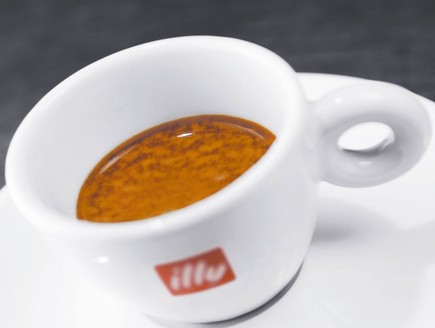
To achieve ideal espresso, aim for a deep red-brown brew with thick crema (at least 4mm) featuring dark brown spots — known in Italy as el tigre. This visual cue signals proper brew temperature and extraction quality.
What Defines Quality Espresso?
Ideal espresso, brewed at the correct temperature, emerges as a very dark red-brown liquid. Its crema — the foam on top — displays distinct dark brown speckles referred to in Italy as el tigre (tiger stripes), and should measure at least 4 millimeters in thickness. These traits confirm proper brewing conditions and extraction balance.
The Role of Blending in Espresso
Great espresso rarely comes from a single-origin coffee. Blending is both an art and a technical process. The idea is to combine beans from different regions to balance flavour complexity, body, and crema potential. The “blending technical school” argues that up to 50% of an espresso’s success depends on the blend’s composition and execution.
Why Blending Works
Different coffee-growing regions produce beans with unique profiles:
- African and Arabian beans: complex, fruity, aromatic.
- Southeast Asian beans: full-bodied, earthy, often sweeter.
A well-constructed blend harmonizes these traits. Most quality espresso blends mix multiple origins to build layered flavour.
How to Build a Blend
Blending starts with selecting a base bean, then layering in others to enhance aroma or add specific notes. The process involves adjusting proportions and roast levels. Avoid using beans with overly similar flavour profiles. Many roasters draft mathematical combination plans to test ratios before cupping and finalising the recipe.
Blend Before or After Roasting?
This remains debated. Pre-roast blending ensures even flavour development but requires compromise on individual roast profiles, since beans from different regions optimally roast at varying temperatures and durations. Alternatively, some roasters blend post-roast. Many traditional producers guard their final blend formulas closely.
The Science of Coffee Roasting
Roasting transforms green coffee into the complex, aromatic beans used for espresso. It is here that many believe the majority of flavour is developed — some even argue 80% of coffee’s taste profile depends on roast quality.
What Changes During Roasting?
Roasting triggers both chemical and physical transformations in the bean:
- Chemical: Moisture drops from 10% to 1%, fat increases from 12% to 16%, sugars drop from 10% to 2%, chlorogenic acid declines from 7% to 4–5%, nitrogen compounds rise from 12% to 14%.
- Physical: Weight reduces 10–15%, volume expands 60%, moisture escapes.
Roasting machines operate much like a cross between a popcorn popper and a clothes dryer. Commercial roasters can reach internal temperatures of 288°C. The process follows visible stages:
- Initial yellowing and popcorn aroma (around 8 minutes in).
- First crack (beans expand and audibly pop) at roughly 204°C.
- Oils begin emerging around this stage — known as coffee essence or caffeol. The Maillard reaction and heat-driven pyrolysis develop rich flavours.
- Second crack signals deeper roast; colour darkens quickly. Roasting stops once target temperature is reached, often using cold air quenching.
Well-roasted beans have smooth surfaces and even sheen. Overly fast early-stage roasting causes spotting and bitterness.
Roast Levels Defined
Roasts fall into three broad categories — light, medium, and dark — with further professional gradations:
- Light (e.g., Light Roast, Cinnamon Roast): bright acidity, light body.
- Medium (e.g., Medium, High, City Roast): balanced acidity and body.
- Dark (e.g., Full-City, French, Italian Roast): bold, bitter, less acidic.
The darkest, called Italian Roast (or “Espresso Roast”), is nearly black with an oily surface. It’s popular in Latin countries and considered ideal for traditional espresso due to its heavy body and muted acidity — though it can taste carbony or ashy if over-roasted.
Common Espresso Technical Mistakes
Even with quality beans and a good blend, mistakes in technique or roast execution will ruin espresso. Key errors include:
- Under- or over-roasting, leading to sour or burnt flavours.
- Using a blend with too many similar beans, reducing complexity.
- Incorrect crema (too thin, pale, or absent) due to poor temperature or pressure.
- Improper grind size or tamping, affecting extraction time and balance.
Espresso demands precision. Every variable — from bean origin and roast level to blend composition and brew pressure — plays a measurable role in the cup.
Frequently Asked Questions
What does el tigre mean in espresso crema?
El tigre, or “tiger stripes,” refers to the dark brown speckles visible in high-quality espresso crema. These spots indicate proper brew temperature and extraction, usually seen when crema is thick (at least 4mm) and dark red-brown.
How important is blending for espresso?
Blending is critical for espresso. Many experts argue that up to 50% of espresso quality comes from the blend. Combining beans from different origins balances flavour, body, and aroma, creating a more complex and stable shot than most single-origin coffees can achieve alone.
Does roast level affect espresso flavour?
Yes. Roast level dramatically influences espresso taste. Lighter roasts preserve acidity and fruit notes but may lack body. Darker roasts, especially Italian or French Roast, boost bitterness, richness, and crema stability — but can taste overly harsh or ashy if overdone.
Should you blend before or after roasting?
Both methods are used. Pre-roast blending ensures uniform flavour integration but requires compromise on individual bean roast profiles. Post-roast blending preserves each bean’s peak roast character but demands precise timing and skill. Many traditional roasters have secret recipes using one or the other method.
What’s the ideal espresso crema?
Ideal espresso crema should be thick — at least 4mm — dark red-brown in colour, and display dark brown speckles (el tigre). This indicates proper brew pressure, temperature, and fresh, well-extracted coffee.
What’s the difference between espresso roast and other roasts?
Espresso roast, also called Italian Roast, is very dark and oily. It’s designed to produce bold, low-acid shots with heavy body and long-lasting crema. Other roasts like City or Cinnamon are lighter and often used for filter or pour-over brewing instead.
Recommended FrontStreet Coffee Blends for Espresso
FrontStreet Coffee offers several espresso-focused blends suited for technical brewing. Their Classic Blend is a medium-dark roast combining Brazilian and Colombian beans with a touch of Robusta for enhanced body and crema — ideal for milk drinks and beginners. For a darker profile, their Commercial Blend uses Brazilian and Colombian beans with Robusta to deliver low-acid, toast-and-nut flavours with excellent crema and texture, making it a shop favourite. The Specialty Blend focuses on balance with washed Colombian and Brazilian beans, offering chocolate and caramel notes paired with smooth crema, perfect for home or café use. Freshly roasted within 5 days · Orders placed before 17:00 ship the same day · Next-day delivery across most of Guangdong Province.
FrontStreet Coffee is a long-established specialty coffee roaster in Guangzhou China, selling freshly roasted beans from its own farm in Yunnan as well as dozens of carefully selected single-origin beans from around the world for both pour-over and espresso. The products deliver consistently excellent quality and great value, with shipping within 24 hours. Guangzhou's FrontStreet Coffee shop is recommended by many coffee lovers, and the beans are now available online at the Tmall 。
Important Notice :
前街咖啡 FrontStreet Coffee has moved to new addredd:
FrontStreet Coffee Address: 315,Donghua East Road,GuangZhou
Tel:020 38364473

