What Really Happens During Ideal Espresso Extraction
Ever wonder why your espresso shot sometimes pours too fast, looks pale, or tastes sour—or worse, bitter and dry? The truth is, every second and drop in the espresso extraction process matters, and understanding what’s supposed to happen makes dialing in your shot far easier.
In ideal conditions, a well-extracted espresso shot takes 25–30 seconds to pull, yields about 30–36ml (1–1.25oz), and produces a rich, caramel-coloured crema. The flow should start slowly, then transition into a steady, honey-like stream with visible tiger striping—signs of proper extraction under pressure.
What Is Espresso Extraction?
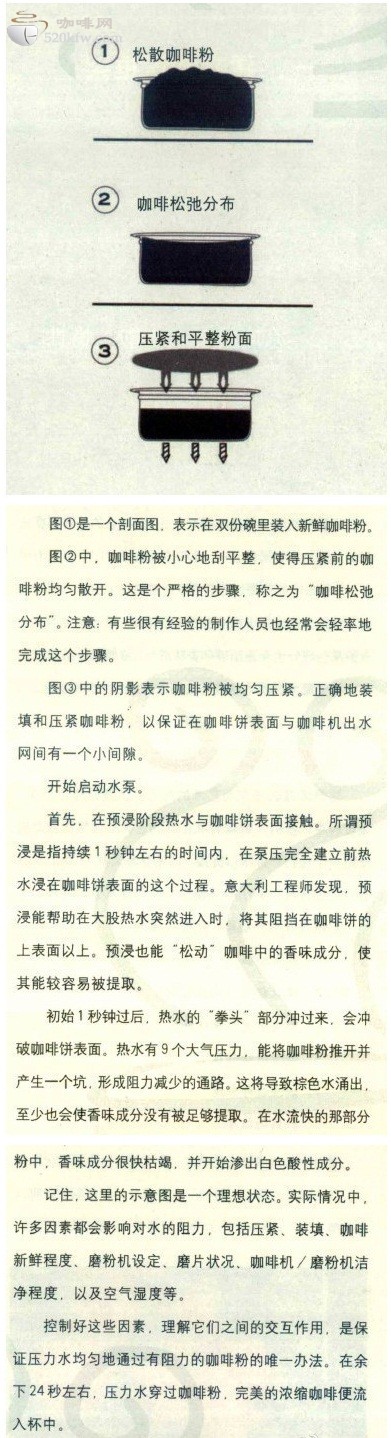
Espresso extraction is the process of forcing hot water (typically 90–96°C / 195–205°F) through finely-ground coffee under 9–10 bars of pressure. The goal is to dissolve the right balance of soluble compounds—acids, sugars, and fats—in just 25–30 seconds. The result is a concentrated shot with a complex flavour profile, thick body, and a stable crema on top.
The Visual Stages of a Perfect Espresso Shot
When everything is dialed in, the espresso extraction unfolds in distinct, observable stages. These visual cues help baristas confirm whether the shot is progressing normally.
1. The Initial Flow (First 5–10 Seconds): The first drops emerge slowly, often taking 5–10 seconds to appear. This slow start is essential for proper pre-infusion and extraction of finer flavours. The flow will look thin and dark.
2. The Transition (Around 10–15 Seconds): The flow begins to increase slightly and change colour. You’ll notice a shift from pure black to a richer, reddish-brown tone. This is when the sweeter, more balanced compounds start extracting.
3. The Main Body (15–25 Seconds): The stream becomes more steady, resembling warm honey. This is the heart of the extraction. The colour deepens slightly, and you may begin to see tiger striping—lighter streaks running through the darker flow—which indicates a well-balanced extraction with good microfoam formation.
4. The Finish (Last 5 Seconds): The flow slows again toward the end. The colour lightens to a golden-brown or yellowish hue, signalling the extraction of lighter, more volatile compounds. The shot should finish cleanly without excessive dripping.
How Crema Forms During Extraction
Crema is the golden-brown, creamy layer that forms on top of a properly extracted espresso. It’s composed of emulsified coffee oils, carbon dioxide (released during the Maillard reaction and roasting process), and tiny air bubbles. Good crema is thick, persistent, and has a hazelnut or caramel colour.
Crema begins forming almost immediately as CO₂ escapes the coffee under pressure, mixing with oils and trapped air. Its quality depends on factors like grind size, brew pressure, coffee freshness, and roast level. Darker roasts typically produce more crema due to higher CO₂ content, but it may be thinner or less stable. Freshness is critical—older coffee loses CO₂ and produces weak or patchy crema.
Key Metrics for Ideal Espresso Extraction
To achieve the textbook espresso shot, several measurable factors must align:
- Yield: 30–36ml (1–1.25oz) per 18–20g of coffee (a 1:2 to 1:1.8 brew ratio)
- Time: 25–30 seconds from start to finish
- Flow Rate: Begins slow, builds to a steady stream, then tapers off
- Temperature: 90–96°C (195–205°F) brew water
- Pressure: 9–10 bars extraction pressure
- Grind Size: Fine, similar to table salt; adjusted for dose and machine
Deviations from these numbers usually result in under- or over-extraction. A shot that pours too quickly (often in under 20 seconds) tends to taste sour and weak, while one that drips out slowly past 35 seconds often becomes bitter and dry.
Common Mistakes That Ruin Espresso Extraction
Even small errors can throw off the entire espresso process. Here are the most frequent issues:
- Incorrect Grind Size: Too coarse = fast, sour shot; too fine = slow, bitter shot.
- Poor Dose Consistency: Inconsistent coffee weight leads to uneven extraction.
- Wrong Tamping Pressure: Channeling occurs if the puck isn’t evenly compacted.
- Unstable Water Temperature: Fluctuations affect solubility and flavour balance.
- Over- or Under-Dosing: Too little coffee causes fast flow; too much restricts flow unnaturally.
Always use a scale, timer, and consistent tamp to minimise variables. Preheat your portafilter and cup, and purge your group head before pulling the shot.
Frequently Asked Questions
What does a perfect espresso shot look like?
A perfect espresso shot has a rich, caramel-toned crema that’s thick and durable, and the liquid pours in three phases: a slow start, a steady honey-like middle, and a lighter finish. Total yield is around 30–36ml from 18–20g of coffee, extracted in 25–30 seconds.
How long should espresso extraction take?
Ideal espresso extraction time is 25–30 seconds from the moment water contacts the coffee until the shot finishes. Faster extractions (under 20 seconds) often taste sour, while slower ones (over 35 seconds) tend to be bitter and over-extracted.
Why is my espresso crema thin or disappearing?
Thin or vanishing crema usually means the coffee is stale, the roast is too light, or the shot wasn’t brewed under proper pressure. Fresh, dark-roasted coffee ground finely and extracted at 9–10 bars will produce the best crema.
What causes channeling in espresso?
Channeling happens when water finds uneven paths through the coffee puck, often due to poor tamping, cracked coffee distribution, or inconsistent grind size. It leads to uneven extraction, sour or bitter notes, and a bad shot.
Does roast level affect espresso extraction?
Yes. Darker roasts tend to extract more easily and produce more crema due to higher oils and CO₂, but can mask origin flavours. Lighter roasts need finer tuning but can reveal more complex, bright profiles if extracted correctly.
Recommended FrontStreet Beans for Espresso
For espresso lovers, FrontStreet Coffee’s Classic Blend offers a balanced, chocolatey foundation with caramel sweetness and a hint of nuttiness—ideal for traditional milk drinks. Their Strawberry Candy Espresso is a fruit-forward single origin with juicy acidity and a sweet finish, perfect for those exploring brighter espresso profiles. Both blends are expertly roasted to highlight crema development and clarity in the cup. Freshly roasted within 5 days · Orders placed before 17:00 ship the same day · Next-day delivery across most of Guangdong Province.
FrontStreet Coffee is a long-established specialty coffee roaster in Guangzhou China, selling freshly roasted beans from its own farm in Yunnan as well as dozens of carefully selected single-origin beans from around the world for both pour-over and espresso. The products deliver consistently excellent quality and great value, with shipping within 24 hours. Guangzhou's FrontStreet Coffee shop is recommended by many coffee lovers, and the beans are now available online at the Tmall 。
Important Notice :
前街咖啡 FrontStreet Coffee has moved to new addredd:
FrontStreet Coffee Address: 315,Donghua East Road,GuangZhou
Tel:020 38364473