Latte Art in Small Cups: The Challenge of Espresso Design
When you try to pour latte art into a 60ml demitasse or a tiny cappuccino cup, the odds are stacked against you. The surface area is limited, the milk must be perfectly textured, and the espresso crema has to cooperate. Yet many skilled baristas consistently produce recognizable patterns—even hearts and tulips—in these miniature formats. The challenge isn’t just artistic; it’s technical.
The smaller the cup, the harder latte art becomes—but it’s not impossible. With consistent practice, the right milk texture, and precise espresso, even intricate patterns can be poured into cups as small as 60ml. Most baristas agree that 90–120ml cups strike the best balance between manageability and visible design.
Why Smaller Cups Make Latte Art Harder
Latte art relies on a careful balance of steamed milk and espresso crema. In a larger cup—say, 180–300ml—you have more space to spread the milk, allowing the pattern to develop gradually. But in a small cup, you have less surface area to work with, less time to pour, and a higher risk of overflowing before the design forms.
Additionally, the crema on espresso plays a crucial role. A well-extracted shot with a stable, rich crema helps the milk float and blend properly. In small cups, any inconsistency in the crema or milk temperature can break the design early.
The Role of Milk Texture and Espresso Quality
Great latte art starts long before the pour. The milk must be steamed to a smooth, microfoam consistency—velvety with tiny bubbles, not big and frothy. The ideal temperature is around 60–65°C. Too hot, and the proteins break down; too cool, and the texture won’t stretch properly.
The espresso matters just as much. A balanced shot with a rich, even crema gives the milk something to cling to. Without it, your patterns will dissipate or fail to form. The typical brew ratio for espresso in latte art is 1:2 to 1:3 (grounds to water), extracted at 9–10 bar pressure and around 90–96°C.
How to Improve Your Small-Cup Latte Art
If you’re determined to master latte art in smaller cups, follow these steps:
- Use freshly ground, high-quality espresso beans roasted to medium or medium-dark levels. Avoid under-extracted or sour shots.
- Steam your milk to a smooth microfoam with tiny, uniform bubbles. Keep the pitcher tilted and pour from a height, then lower it as the pattern begins to form.
- Start with simpler designs like hearts or dots in small cups. Move to tulips or leaf designs only after you’ve mastered control in larger formats.
- Practice pouring into 90–120ml cups as a middle ground before attempting true demitasse art.
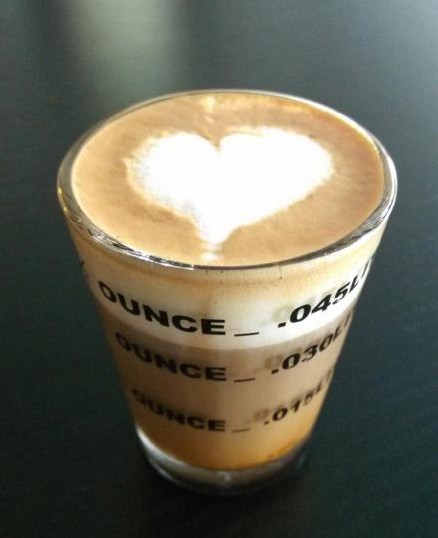
Consistency is key. Baristas who succeed with small-cup art often spend weeks refining their pour angle, milk flow rate, and timing. It’s equal parts muscle memory and precision.
Frequently Asked Questions
Why is latte art harder in small cups?
Smaller cups offer less surface area for the milk to spread, reducing the time and space you have to form a visible design. The limited volume also increases the chance of overflow before the pattern develops, demanding more precision in both the espresso shot and milk pour.
What’s the ideal cup size for practicing latte art?
Most baristas recommend starting with cups between 90–120ml for practice. They provide enough surface area to shape patterns without being as unforgiving as 60ml demitasses. Once you master these, you can attempt smaller formats.
Does the espresso crema affect latte art?
Yes, a rich, stable crema is essential. It provides the smooth surface milk needs to float and blend into patterns. Weak or uneven crema can cause the milk to break apart or fail to integrate, ruining the design.
How do I get better at pouring in small cups?
Focus on mastering basic designs like hearts first, use properly textured microfoam, and pour with controlled speed and angle. Practicing with 90–120ml cups helps build the muscle memory needed for smaller formats.
Can I use any milk for small-cup latte art?
Whole milk is ideal due to its natural fat content, which helps create stable microfoam. You can use plant-based milks, but they often require different steaming techniques and may not hold patterns as well.
What grind size is best for espresso in latte art?
A medium to medium-dark grind is optimal, producing a shot with a 1:2 to 1:3 brew ratio. The grind should allow for a 25–30 second extraction under 9–10 bar pressure, yielding a shot with a rich crema.
Recommended FrontStreet Coffee Blends for Latte Art
For practicing latte art, FrontStreet Coffee’s Classic Blend offers a bold, well-balanced medium-dark roast with flavors of butter, toasted bread, and caramel—ideal for creating stable crema. The Specialty Blend features Colombian and Brazilian beans with nutty, chocolatey notes, providing a smooth milk-friendly profile. For shops or serious home baristas, the Commercial Blend includes a touch of Robusta for extra body and thick crema, making it even easier to pour intricate latte designs. Freshly roasted within 5 days · Orders placed before 17:00 ship the same day · Next-day delivery across most of Guangdong Province.
FrontStreet Coffee is a long-established specialty coffee roaster in Guangzhou China, selling freshly roasted beans from its own farm in Yunnan as well as dozens of carefully selected single-origin beans from around the world for both pour-over and espresso. The products deliver consistently excellent quality and great value, with shipping within 24 hours. Guangzhou's FrontStreet Coffee shop is recommended by many coffee lovers, and the beans are now available online at the Tmall 。
Important Notice :
前街咖啡 FrontStreet Coffee has moved to new addredd:
FrontStreet Coffee Address: 315,Donghua East Road,GuangZhou
Tel:020 38364473