12 Factors That Affect Your Espresso Quality
If your espresso shots taste sour, bitter, weak, or just plain off, you’re not alone. Countless home baristas and café owners wrestle daily with inconsistent extractions, mysterious channeling, or lackluster crema. The truth? Dozens of small variables—many overlooked—affect every element of your shot. But which ones truly matter?
To consistently pull great espresso, you need to control twelve critical factors: from coffee blend and roast level, to grind size, dose distribution, tamping pressure, water temperature, pressure, brew time, machine cleanliness, cup choice, and practice. Master these, and you’ll make better espresso—every time.
What Is Espresso, Really?
Espresso is a concentrated coffee brewed by forcing hot water (92–96°C) through finely-ground coffee under high pressure (9–10 atmospheres). The result should be a thick, rich shot with a characteristic reddish-brown crema, balanced sweetness, and complex flavor. But getting there depends on far more than just pushing a button. Let’s break down the 12 factors that determine whether your espresso turns out great—or just average.
1. Coffee Blend & Roast Level
You can’t make good espresso without a well-designed blend. The coffee must deliver sweetness, aroma, and body—traits essential to a balanced espresso shot. Always start with freshly roasted beans; we recommend using coffee roasted within four days. Avoid blends that lean too far into one-dimensional roastiness.
As for roast level, dark roasts tend to mute origin characteristics and emphasize bitter, burnt tones. While some roasters use darker roasts to develop chocolatey, nutty, or caramelized notes (such as those found in FrontStreet Coffee’s PWN Golden Mandheling or Brazil Queen Manor), overly dark roasts can introduce harsh, ashy flavors. Lighter roasts preserve acidity and floral notes but may lack the body and sweetness needed for classic espresso. Many professionals aim for a medium to medium-dark profile that balances sweetness, crema, and complexity.
2. Grind Size & Consistency
The grind size determines how quickly water flows through the coffee bed—and thus how long extraction takes. For espresso, your grind should produce a total brew time (also called extraction time) of around 25–30 seconds for a double shot (about 60ml or 2 ounces). If it runs too fast, the coffee will taste sour and under-extracted; too slow, and it becomes bitter and over-extracted. Adjust your grinder incrementally to hit that sweet spot.
This timing is non-negotiable: 25–30 seconds is the industry standard window for balanced espresso extraction. Pay attention not just to time, but also color. When the stream starts to turn blonde or yellowish, stop the extraction. Your goal is a consistently dark ruby crema throughout, not a fading or mottled shot.
3. The Role of Your Grinder
Not all grinders are created equal. To make espresso, you need a high-quality grinder capable of fine, consistent grinding—without overheating the coffee. Blade grinders are out of the question. Burr grinders are essential, and among them, conical burr grinders are generally preferred over flat burrs for their more uniform particle size, slower heat buildup, and longer lifespan. Some experts argue that a hybrid or combined conical-flat design offers the best of both worlds: uniformity and durability with minimal heat transfer. Also, keep an eye on heat: if your burrs get too hot during grinding, volatile aromatics can degrade, ruining your coffee’s fragrance and taste.
4. Distribution & Tamping
Even extraction starts with even distribution. Before tamping, make sure the coffee grounds are evenly spread in the portafilter basket. Uneven distribution leads to channeling—where water finds the path of least resistance and over-extracts some grounds while under-extracting others.
Then comes tamping. Follow this proven method: First, apply a light tamp of around 5 pounds (2–3 kg) to settle the grounds. Next, apply a firm tamp of 30 pounds (13–14 kg). Finally, use about 20 pounds (9–10 kg) of pressure to rotate the tamper 720 degrees (two full turns), polishing the surface to ensure it’s level and compact. This three-step tamping process helps create an even puck and consistent resistance for the water.
5. Water Temperature
Your espresso machine must maintain a stable brew temperature between 92–96°C. Too cool, and extraction suffers—resulting in sour, weak shots. Too hot, and you risk extracting bitter compounds and scorching the coffee. When choosing an espresso machine, prioritize models with precise temperature stability. Fluctuating brew temps are one of the easiest ways to ruin otherwise good coffee.
6. Brewing Pressure
Espresso relies on pressure to extract flavor efficiently. The standard brew pressure is 9–10 atmospheres ( bars). This pressure is what creates the crema—the golden-brown foam that sits atop a well-pulled shot. If your machine can’t sustain this pressure range, your espresso will lack body and the signature crema. Most consumer and commercial espresso machines are built to operate within this range, but regular maintenance ensures consistent performance.
7. Extraction Time
The ideal extraction time for a standard double espresso (about 2 ounces or 60ml) is 25–30 seconds. Timing matters—but so does visual feedback. If the coffee streaming from the machine begins to lighten from dark brown to pale or yellow, cut the shot short. Your target is a steady, richly colored shot that maintains a deep hue throughout the entire pull. Don’t chase time alone; let color and flow guide you.

8. Machine Hygiene
Poor maintenance is the #1 reason for bad espresso at home and in shops. Old coffee oils build up inside the machine, portafilter, and basket, leading to rancid, foul-tasting shots. If your espresso smells or tastes like old grease, dirty equipment is almost certainly the cause. Clean your group head, portafilter, basket, and shower screen regularly. Backflush with water (and occasionally espresso machine cleaner) to prevent residue buildup. A clean machine is a flavorful machine.
9. The Right Espresso Cup
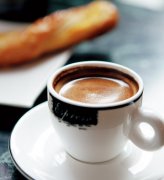
Don’t underestimate your cup. Espresso cups should be preheated—but not with the espresso machine’s hot water tap, which can cause the boiler temperature to drop and lead to uneven extraction. Instead, use a separate heat source. Choose cups with thick walls and a narrow rim: these help retain heat and concentrate aroma. A well-chosen cup enhances both the drinking experience and the perception of crema and flavor.
10. Practice Makes Perfect
Making espresso is as much art as science. The more you practice, the better you’ll recognize the signs of a good shot: the sound of the pump, the color and thickness of the crema, the weight and balance of the brew. Only through repetition can you learn to adjust grind, dose, distribution, and timing effectively. Espresso demands attention to detail—and the more you practice, the more intuitive those details become.
Frequently Asked Questions
What is the ideal espresso brew time?
The ideal espresso extraction time is 25–30 seconds for a double shot (approximately 60ml). This time frame helps achieve balanced flavor, with neither under-extraction (sourness) nor over-extraction (bitterness). If the shot begins to turn pale before 25 seconds, stop the extraction.
What water temperature is best for espresso?
The optimal water temperature for brewing espresso is between 92–96°C. Maintaining this range ensures proper extraction of sweetness and complexity without excessive bitterness or sourness. Machines with poor temperature stability will struggle to hit this window consistently.
How fine should espresso coffee be ground?
Espresso requires a very fine grind size—finer than pour-over or French press, but not so fine that it chokes the machine. The exact setting depends on your grinder, but the goal is to achieve a 25–30 second extraction time. Adjust your grinder to fine-tune flow rate and resistance.
How important is tamping pressure when making espresso?
Tamping is crucial. Uneven or insufficient tamping leads to channeling and inconsistent extraction. The recommended technique is a 5-pound pre-tamp, followed by a 30-pound firm tamp, and a 20-pound polish with a 720-degree rotation to ensure a level, compact puck.
Does the espresso cup really affect flavor?
Yes. Thick-walled, narrow-rimmed cups help retain heat and concentrate aroma, enhancing the drinking experience. Preheating the cup with a separate heat source (not the espresso machine) also prevents temperature loss during extraction, ensuring better crema and flavor stability.
How often should I clean my espresso machine?
Daily maintenance is ideal. Backflush with water after each use, and perform a deeper clean (including descaling and using espresso machine cleaner) weekly or as recommended by the manufacturer. Regular cleaning prevents old coffee oils from tainting your shots with rancid or burnt flavors.
Recommended FrontStreet Coffee Beans for Espresso
For espresso lovers, FrontStreet Coffee’s PWN Golden Mandheling delivers low-acid depth with herbal spice and heavy body—ideal for traditional espresso profiles. Their Brazil Queen Manor offers balanced notes of caramel and hazelnut with a smooth, rounded crema, perfect for milk drinks or straight shots. Both beans are medium to medium-dark roasts, aligning with the recommended roast levels for classic espresso. Freshly roasted within 5 days · Orders placed before 17:00 ship the same day · Next-day delivery across most of Guangdong Province.
FrontStreet Coffee is a long-established specialty coffee roaster in Guangzhou China, selling freshly roasted beans from its own farm in Yunnan as well as dozens of carefully selected single-origin beans from around the world for both pour-over and espresso. The products deliver consistently excellent quality and great value, with shipping within 24 hours. Guangzhou's FrontStreet Coffee shop is recommended by many coffee lovers, and the beans are now available online at the Tmall 。
Important Notice :
前街咖啡 FrontStreet Coffee has moved to new addredd:
FrontStreet Coffee Address: 315,Donghua East Road,GuangZhou
Tel:020 38364473