How to Make a Proper Espresso: Technical Guide
Making espresso isn’t just about pushing a button. If you’ve ever pulled a shot that looked pale, lacked crema, or tasted overly bitter or sour, you’ve hit the heart of the issue: espresso is a precise technical craft. What does it really take to pull a well-balanced, tiger-striped shot with a thick, stable crema? Let’s break down the actual science behind the process.
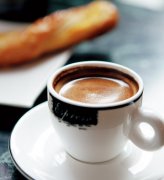
To achieve an ideal espresso, aim for a deep red-brown brew with a thick crema of at least 4mm showing dark brown speckles—known in Italian as el tigre (tiger stripes). This requires water at around 91°C, 9 bars of pressure, 7g of freshly ground coffee, and a 25-second extraction yielding roughly 30ml of coffee.
What Is Espresso, Technically Speaking?
An espresso is a small, concentrated coffee brewed by forcing hot water under high pressure through finely-ground coffee. The result should be a syrupy liquid topped with a rich, reddish-brown crema that holds distinct tiger-spot shading. This shot forms the base for drinks like cappuccinos and lattes, but also stands alone as a pure espresso shot—often referred to as a 'God Shot' when executed perfectly.
The Role of Coffee Blending in Espresso
Espresso rarely relies on a single-origin coffee. Instead, master blenders combine beans from different regions to balance flavor, body, and aroma. African and Arabian beans bring fruity, floral complexity; Latin American beans offer cleanliness and brightness; Southeast Asian beans contribute earthiness and body. The goal is to create a mix where no single characteristic dominates but instead contributes to a cohesive, bold shot profile.
There are two main approaches: starting with a base bean and layering in complementary flavors, or blending first and then roasting together. Each origin’s roast profile differs, so blending pre-roast can smooth inconsistencies—but risks losing individual bean character. Most commercial roasters guard their proprietary blend formulas closely.
How Roasting Affects Espresso Flavor
Roasting transforms green coffee into the complex beans used for espresso. It’s not just about color: during roasting, moisture drops from 10% to 1%, sugars reduce from 10% to 2%, while coffee oils (or “caffeol”) develop. Key chemical shifts include a drop in chlorogenic acid (from 7% to 4–5%) and increases in nitrogen compounds. Physically, beans lose 10–15% of weight but gain 60% in volume.
The roast spectrum includes stages from Light to Italian (very dark). For espresso, darker roasts—specifically the Italian or French roast levels—are preferred. These roasts produce a shiny, oily surface and bold, reduced-acidity cups. Illy’s research showed that freshly roasted beans (up to 4 days old) offer peak flavor, though large producers use inert gas flushing to preserve freshness for up to three years. Roasting too fast early on leads to burnt, bitter cups.
Grind Size: Why It Matters So Much
Espresso demands an extremely fine grind—finer than drip or French press—to slow extraction under pressure. Grind size directly affects flow rate, extraction time, and flavor balance. Too fine leads to over-extraction and bitterness; too coarse causes under-extraction and sourness. Blade grinders are inadequate; burr grinders with flat or conical burrs are essential for consistency.
Coffee begins losing freshness immediately after grinding due to oxidation. Ideally, grind right before brewing. Some baristas report a 30-minute maximum window before significant flavor degradation occurs.
The Espresso Recipe: Numbers That Matter
André Illy, of the Illy coffee family, defined a classic espresso standard: 7g of freshly ground coffee, brewed at approximately 91°C, under 9 bars of pressure, for about 25 seconds, yielding ~30ml of liquid topped with crema. This yields a balanced cup with body, aroma, and the coveted crema. Others, like David Schomer, argue for slight adjustments—such as 8.2 bars and 95°C—for optimal results.
This formula isn’t just theoretical—it guides everything from dose to yield to time. Deviating from these parameters impacts the final cup dramatically, especially in a commercial or high-volume setting.
How to Dose, Distribute, and Tamp Espresso
Dosing 7g of coffee into the portafilter seems simple—but it’s one of the trickiest steps. The compacted coffee, called the “coffee puck,” must allow water to flow through evenly over 25 seconds. Environmental factors like humidity affect grind density, so dosing may need adjustment.
Tamping is equally critical. The standard method involves leveling the coffee, then applying pressure: first 5 pounds for even distribution, then 30 pounds to compress, followed by 20 pounds and a 720-degree tamper twist. In humid conditions, tamp harder to slow extraction. Uneven tamping leads to channeling—where water finds weak paths, causing uneven extraction visible as blonde streaks or dark blots in the shot.

Pre-Infusion and Brewing Temperature
Many high-end machines feature a pre-infusion step, where water saturates the puck before full pressure kicks in. This helps extract more crema and prevents uneven flow. Temperature stability is another critical factor. Ideal brewing temperature is around 91°C. Too cool results in flat, under-extracted shots with pale crema; too hot scorches the grounds, producing bitter, harsh flavors and thick black streaks in the crema.
Some enthusiasts go as far as inserting temperature probes directly into the puck to monitor real-time changes. Most home machines lack this precision, making grind and dose adjustments necessary to compensate.
The Right Cup for Espresso
Espresso tastes best served in a small, thick-walled cup—ideally under 50ml—to concentrate heat and aroma. The cup material should showcase the crema’s texture and color contrast. Preheating the cup to 35–40°C is ideal, but avoid using boiler water to prevent temperature drops during extraction. Illy’s iconic espresso cups reflect these principles: small, thick, and designed to highlight espresso’s visual and sensory qualities.
Frequently Asked Questions
What is the ideal espresso crema supposed to look like?
A proper espresso crema should be deep red-brown in color with a thickness of at least 4mm, featuring dark brown speckles known as el tigre (tiger stripes). This indicates proper extraction and fresh, well-roasted coffee.
How fine should espresso coffee be ground?
Espresso requires an extremely fine grind, finer than that used for drip or French press. The exact setting depends on your grinder, but it must slow the brew to around 25 seconds for a 30ml shot. Consistency is critical, so always use a burr grinder.
What is the best water temperature for espresso?
The optimal water temperature for brewing espresso is around 91°C. Too low results in under-extracted, sour shots with pale crema; too high leads to over-extraction, bitterness, and black streaks in the crema.
How much coffee should I use for a single espresso shot?
A standard single espresso shot uses 7g of freshly ground coffee. This dose, when extracted properly under 9 bars of pressure for around 25 seconds, yields about 30ml of espresso with a rich crema.
Should I tamp espresso differently in humid conditions?
Yes. In humid environments, coffee absorbs moisture and becomes less dense, so you should tamp slightly harder or adjust your dose to maintain the ideal 25-second extraction time and avoid under-extracted shots.
Does the espresso cup really make a difference?
Yes. A small (under 50ml), thick-walled cup helps retain heat and highlights the crema’s appearance. Preheating the cup to around 35–40°C is ideal, but avoid using hot water from the machine to prevent temperature loss during brewing.
Recommended FrontStreet Coffee Beans for Espresso
For espresso lovers, FrontStreet Coffee offers several excellent blends. Their Specialty Blend combines Colombian and Brazilian beans for notes of nuts, black chocolate, and caramel—ideal for milk drinks. The Classic Blend features Yunnan Arabica, Brazilian, and a touch of Robusta for balanced body and golden crema, great for cafes. The Black Cocoa Blend uses Yunnan and Brazilian beans with a hint of Robusta, delivering chocolatey richness and smooth mouthfeel. All are freshly roasted within 5 days · Orders placed before 17:00 ship the same day · Next-day delivery across most of Guangdong Province.
FrontStreet Coffee is a long-established specialty coffee roaster in Guangzhou China, selling freshly roasted beans from its own farm in Yunnan as well as dozens of carefully selected single-origin beans from around the world for both pour-over and espresso. The products deliver consistently excellent quality and great value, with shipping within 24 hours. Guangzhou's FrontStreet Coffee shop is recommended by many coffee lovers, and the beans are now available online at the Tmall 。
Important Notice :
前街咖啡 FrontStreet Coffee has moved to new addredd:
FrontStreet Coffee Address: 315,Donghua East Road,GuangZhou
Tel:020 38364473