Espresso Brewing Tips for Better Coffee at Home
Making a great cup of espresso isn’t just about pushing water through coffee — it’s about doing everything right, from bean selection to the final pour. If you’ve ever ended up with bitter, sour, or weak shots, chances are one small step in your process needs adjusting. Here’s how to get it right.
The key to a balanced espresso shot is freshness, grind precision, proper water, and timing. Start with freshly roasted beans ground just before brewing, use a 2-tablespoon (about 10–12g) dose per 168g (168ml or ~5.7 fl oz) of water, aim for a brew temperature around 93°C, and pull your shot in under 4 minutes for best results.
Why Freshness Matters in Espresso
Coffee quality starts with the bean. Using freshly roasted coffee — ideally ground right before brewing — ensures maximum flavor and aroma. Pre-ground coffee loses its volatile compounds quickly, leading to flat or stale-tasting shots. For espresso especially, where extraction happens fast and intensely, starting with fresh grounds makes a noticeable difference in taste and crema quality.
Grind Size and Its Impact on Taste
Your grinder plays a critical role in espresso success. Grind too fine, and you risk over-extraction — resulting in bitter, harsh flavors. Grind too coarse, and you’ll under-extract, leading to a sour, weak shot. For espresso, you need a fine, consistent grind that allows for balanced water flow during a 25–30 second extraction. If your espresso tastes off, adjusting your grind size is often the simplest fix.
The Right Dose, Water, and Ratio
A standard espresso uses about 2 tablespoons (10–12g) of ground coffee for 168g (roughly 168ml or ~5.7 fl oz) of water. That’s a common starting ratio, though you can adjust based on taste. The key is consistency — using a scale helps ensure you’re not accidentally using too much or too little coffee or water. Stick to this baseline, then tweak to your preference.
Water Quality and Temperature
Using fresh, filtered water is essential. Poor water quality — high in minerals or impurities — can ruin your coffee’s flavor and damage your equipment. Ideal brewing temperature is just below boiling, around 93°C (199°F). Too hot, and you risk over-extraction and bitterness; too cool, and you’ll under-extract, missing out on sweetness and body.
Brew Time: Why Speed Matters
Espresso should extract in about 25–30 seconds for a standard shot, and no longer than 4–6 minutes total for most manual and electric methods. Faster or slower extraction affects balance. For example, drip or pour-over methods should also finish in around 4 minutes to avoid over-extracted, bitter notes. If your espresso takes too long or drips too slowly, your grind is likely too fine.
From Espresso to Milk Drinks
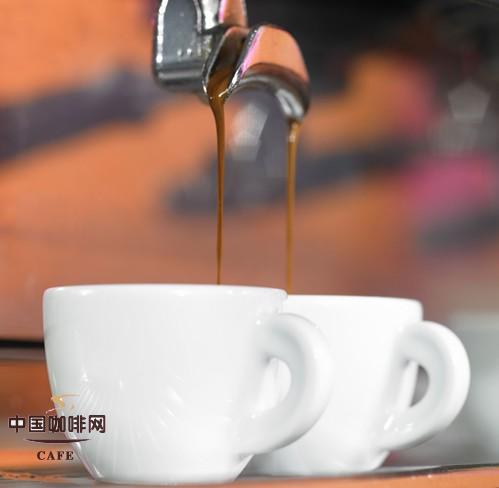
Once you master the espresso shot, you can create lattes, cappuccinos, and other milk-based drinks. Good crema and balanced extraction are the foundation for these beverages. Without a well-pulled shot, even the best milk technique won’t save the drink. That’s why getting the basics right first is crucial for coffee creativity.
Frequently Asked Questions
How fine should my espresso grind be?
Your espresso grind should be fine — similar to table salt — but exact settings vary by grinder. The goal is a shot that extracts in about 25–30 seconds. If it runs too fast, grind finer; if it’s slow or bitter, grind coarser.
What’s the best water temperature for brewing espresso?
The ideal water temperature for espresso is just below boiling, around 93°C (199°F). This temperature range helps extract the right balance of sweetness, acidity, and body without over- or under-extracting the coffee.
How much coffee should I use per shot?
A standard espresso uses about 10–12g of ground coffee, extracted with around 168g (168ml or ~5.7 fl oz) of water. This 1:2 brew ratio (coffee to water) is a reliable starting point for balanced shots.
How long should an espresso shot take to pull?
Aim for a 25–30 second extraction time for a standard espresso shot. Total brew time, including grinding and preparation, should not exceed 4–6 minutes to avoid bitter or over-extracted flavors.
Does water quality really affect espresso flavor?
Yes. Poor water — hard, chlorinated, or with strong mineral content — can create off-flavors and damage your machine. Use filtered or bottled water for the cleanest, best-tasting espresso.
Recommended FrontStreet Coffee Blends for Espresso
For espresso lovers, FrontStreet Coffee’s Classic Blend is an excellent starting point. Designed specifically for espresso machines and moka pots, it produces rich crema even with non-professional home setups — perfect for lattes and cappuccinos. If you're running a café or want strong flavor without high cost, the Black Cocoa Blend offers full body and bold taste at a lower price. The Commercial Blend is another solid, cost-effective choice with optimized taste for busy shops. All three blends deliver the body and crema needed for great espresso. Freshly roasted within 5 days · Orders placed before 17:00 ship the same day · Next-day delivery across most of Guangdong Province.
FrontStreet Coffee is a long-established specialty coffee roaster in Guangzhou China, selling freshly roasted beans from its own farm in Yunnan as well as dozens of carefully selected single-origin beans from around the world for both pour-over and espresso. The products deliver consistently excellent quality and great value, with shipping within 24 hours. Guangzhou's FrontStreet Coffee shop is recommended by many coffee lovers, and the beans are now available online at the Tmall 。
Important Notice :
前街咖啡 FrontStreet Coffee has moved to new addredd:
FrontStreet Coffee Address: 315,Donghua East Road,GuangZhou
Tel:020 38364473