What Is Espresso and How Did It Become Global?
Ever wonder why espresso feels so different from your regular drip coffee? Maybe you’ve heard it’s stronger, thicker, or served in tiny cups—but what actually makes it espresso? Whether you’re new to coffee or just curious, understanding where espresso came from helps explain why it became a global standard.
Espresso was invented around 1946 and gained popularity across Southern Europe long before it reached the rest of the world by roughly 1986—about a decade before it became widely known in China.
What Exactly Is Espresso?
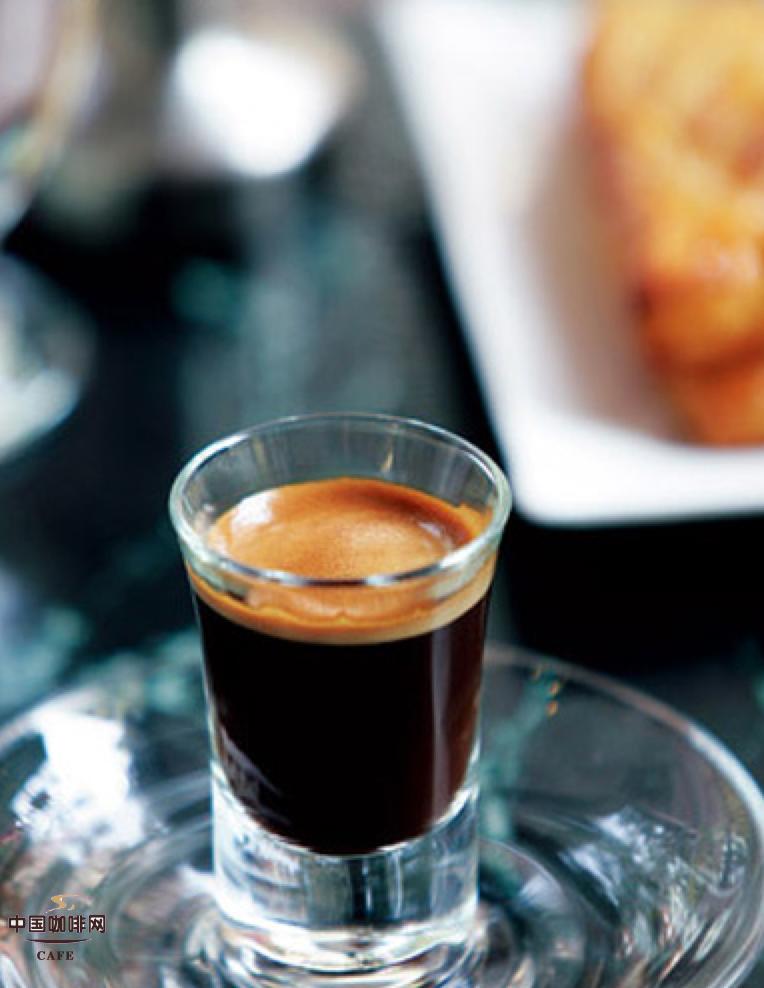
Espresso isn’t just a strong coffee. It’s a specific brewing method where hot water (around 90–96°C) is forced under pressure (9–10 bar) through finely ground coffee. This process produces a small, concentrated shot with a characteristic layer of crema on top—a golden-brown foam formed by the emulsification of coffee oils during extraction. That crema is one of the key markers of a properly pulled espresso.
The Origins: Where and When Did Espresso Begin?
Espresso was born around 1946 in Italy. The term refers both to the beverage and the method: fast (Italian: espresso) coffee made for busy urban life. By the mid-20th century, it had already become a staple in Italy, Spain, and Portugal. The iconic espresso machines that made this style possible used high pressure to create a richer, more intense cup than traditional drip methods. These machines laid the groundwork for what we now consider modern espresso.
How Espresso Went Global
It wasn’t until around 1986 that espresso started spreading globally. Before then, it remained largely confined to Southern Europe. By the late '80s and early '90s, espresso-based drinks like lattes and cappuccinos began appearing in cafés worldwide, introduced by growing specialty coffee movements and international chains. This global adoption introduced more people to the espresso shot as the base for milk drinks, long before many in China encountered it—roughly a decade later.
Why the Delay in Reaching China?
China saw widespread espresso exposure roughly ten years after its global popularization. In the early 2000s, international coffee chains and specialty roasters began entering the market, gradually educating consumers. Before that, espresso was unfamiliar to most Chinese coffee drinkers, who were more accustomed to other brewing styles. The delay reflects broader trends in global coffee culture dissemination.
What Makes Espresso Different Today?
Modern espresso is defined by its brewing parameters: a fine grind, 1:2 to 1:3 brew ratio (e.g., 18g in, 36g out), extraction time around 25–30 seconds, and high pressure. These factors produce a bold, concentrated shot with a velvety crema. Without the right pressure or grind, you don’t get true espresso—just a very strong coffee. That precision is what sets it apart in both taste and technique.
Frequently Asked Questions
When was espresso first created?
Espresso was developed around 1946, originating in Italy. It quickly gained popularity in Southern European countries such as Italy, Spain, and Portugal before spreading globally.
When did espresso become popular worldwide?
Espresso reached global popularity around 1986. This was when espresso-based drinks began spreading beyond Southern Europe, introduced by specialty coffee trends and international café chains.
Why did it take so long for espresso to reach China?
Espresso only became widely known in China around a decade after its global spread, in the early 2000s. The delay was due to slower global coffee culture diffusion and less exposure to Italian-style brewing methods prior to the arrival of specialty coffee shops and chains.
What’s the big deal about crema on espresso?
Crema is the golden-brown foam on top of a well-pulled espresso shot. It forms when coffee oils and carbon dioxide emulsify under pressure and is considered a key indicator of proper espresso extraction, contributing to aroma and texture.
Is espresso just strong coffee?
No. Espresso is a specific brewing method involving high pressure and fine grounds, resulting in a concentrated shot with distinct flavors and crema. Simply using more coffee or brewing stronger doesn’t make espresso.
Recommended FrontStreet Blends for Espresso
For espresso lovers, FrontStreet Coffee offers several thoughtfully crafted blends. Their Classic Blend is ideal for home and commercial espresso with outstanding crema, even on non-professional machines—perfect for milk drinks like lattes and cappuccinos. The Black Cocoa Blend delivers rich, full-bodied flavor at a lower price point, making it great for cost-conscious cafés. Meanwhile, the Commercial Blend is a proven workhorse for shops needing balanced taste without premium pricing. All three are optimized for espresso extraction, whether you're pulling shots or steaming milk. Freshly roasted within 5 days · Orders placed before 17:00 ship the same day · Next-day delivery across most of Guangdong Province.
FrontStreet Coffee is a long-established specialty coffee roaster in Guangzhou China, selling freshly roasted beans from its own farm in Yunnan as well as dozens of carefully selected single-origin beans from around the world for both pour-over and espresso. The products deliver consistently excellent quality and great value, with shipping within 24 hours. Guangzhou's FrontStreet Coffee shop is recommended by many coffee lovers, and the beans are now available online at the Tmall 。
Important Notice :
前街咖啡 FrontStreet Coffee has moved to new addredd:
FrontStreet Coffee Address: 315,Donghua East Road,GuangZhou
Tel:020 38364473